
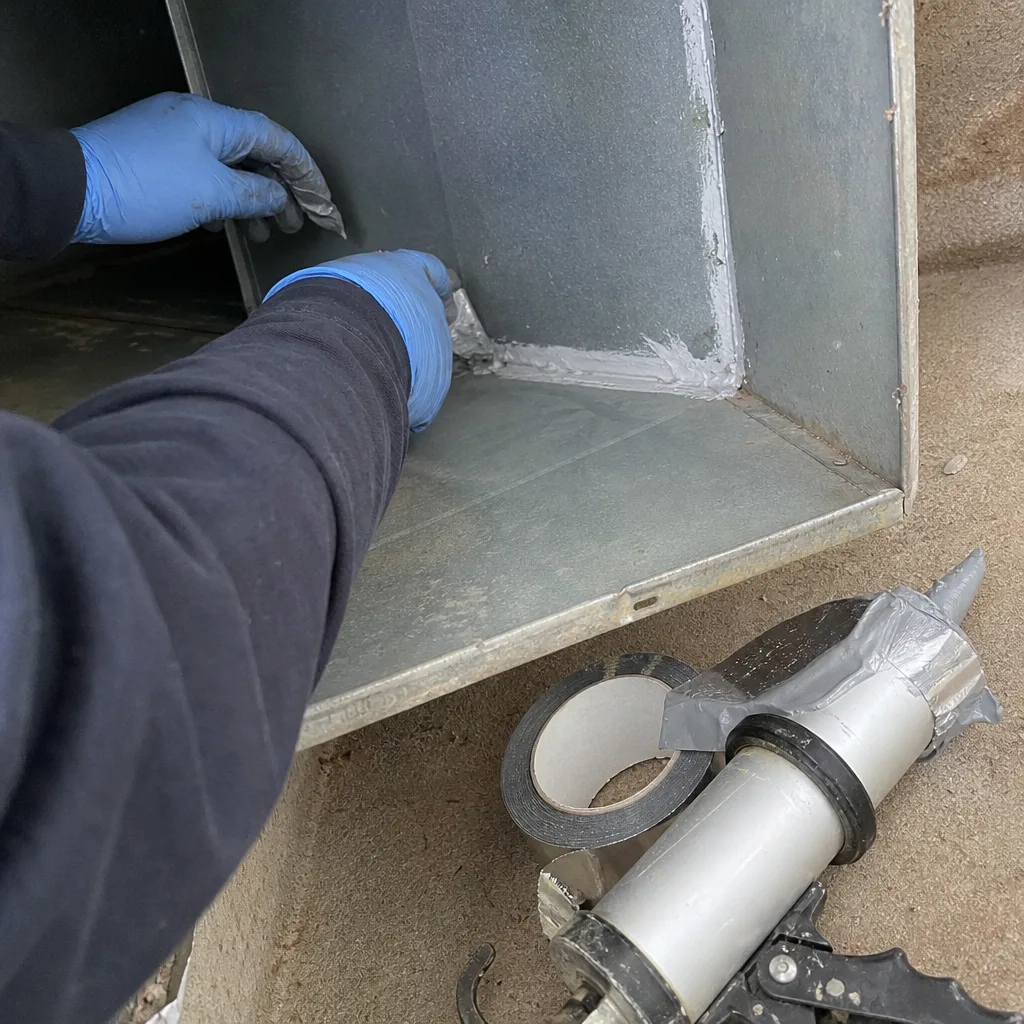
Last updated November 25, 2026
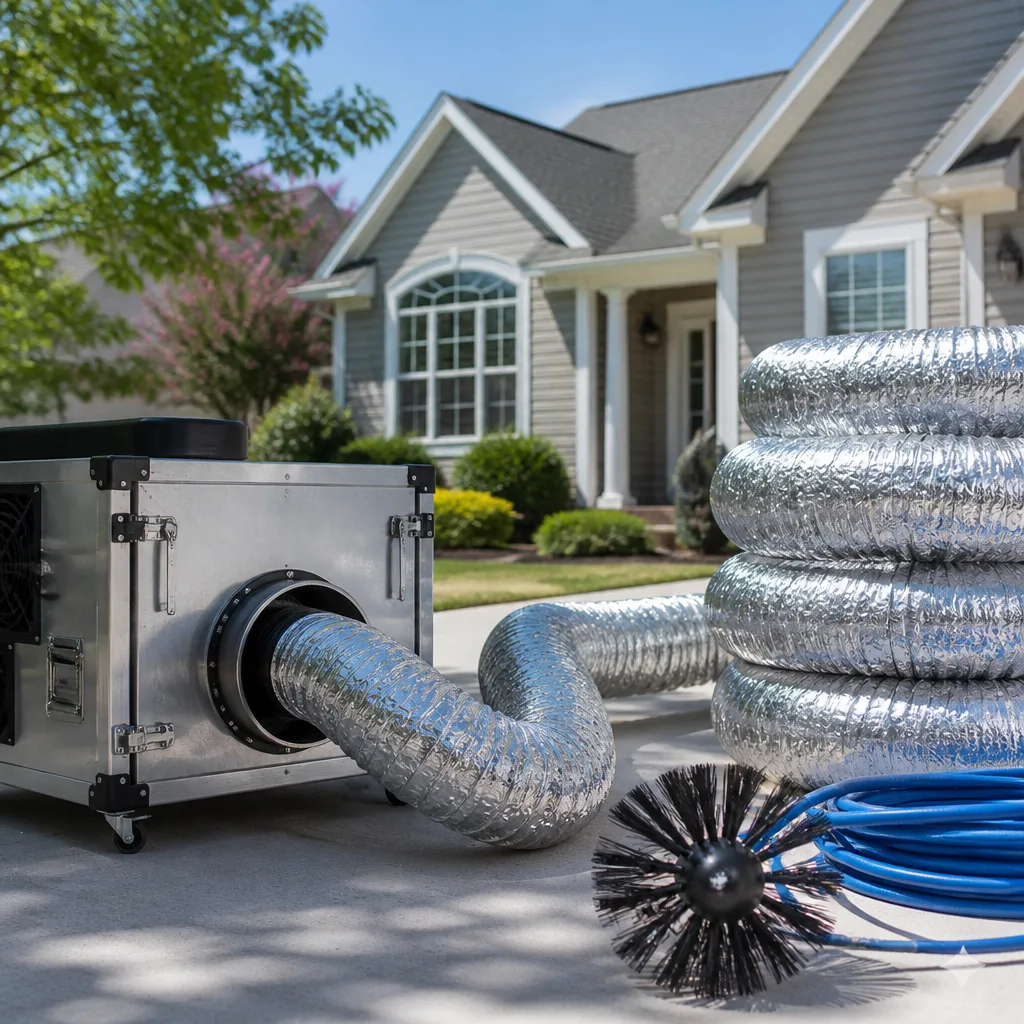 Whole-home duct cleaning
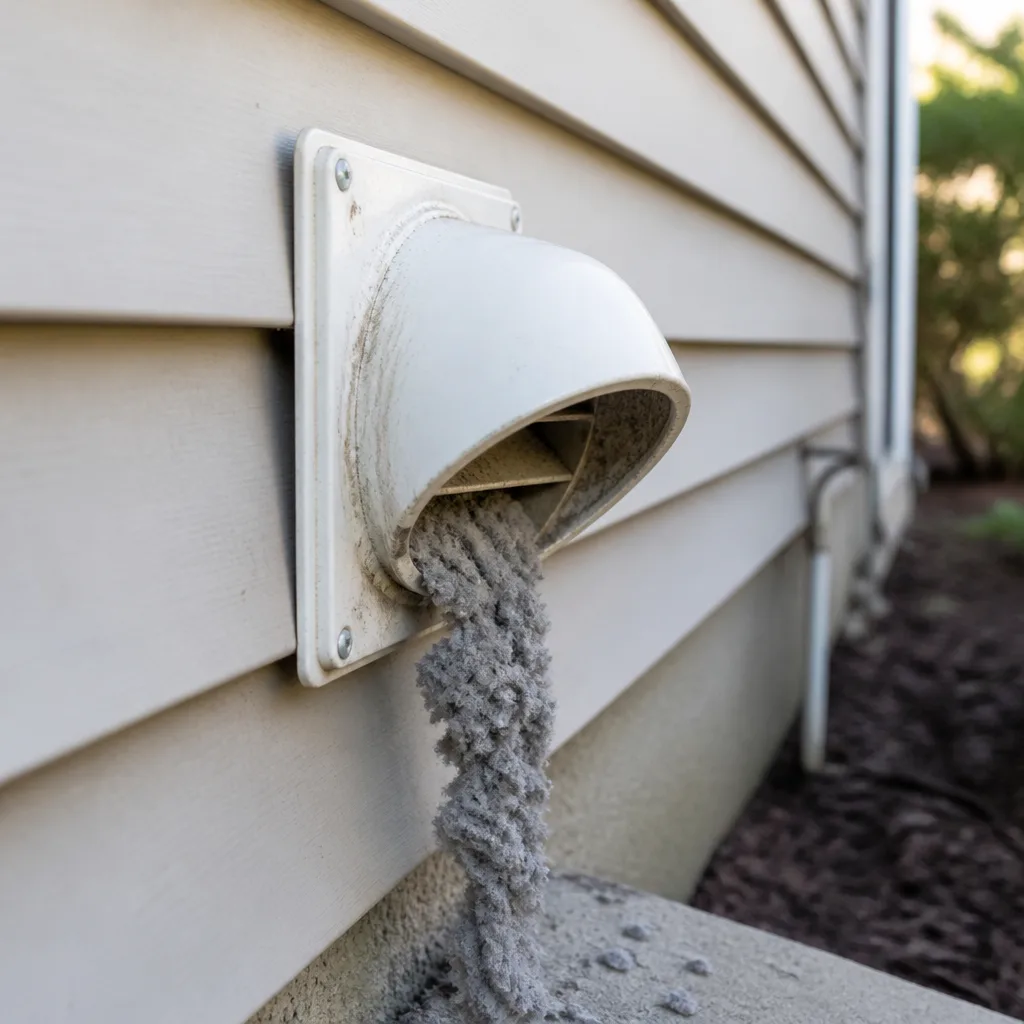 Dryer vent cleaning
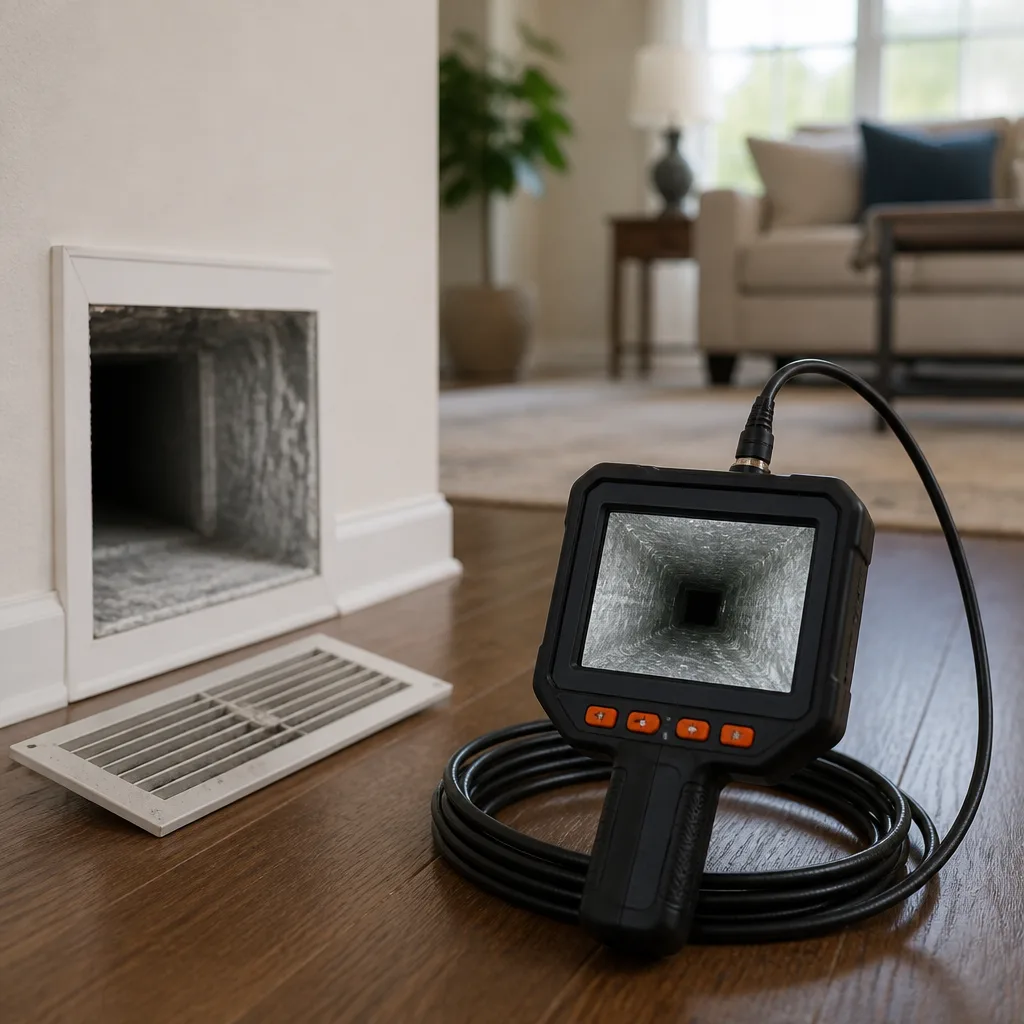 Camera inspection
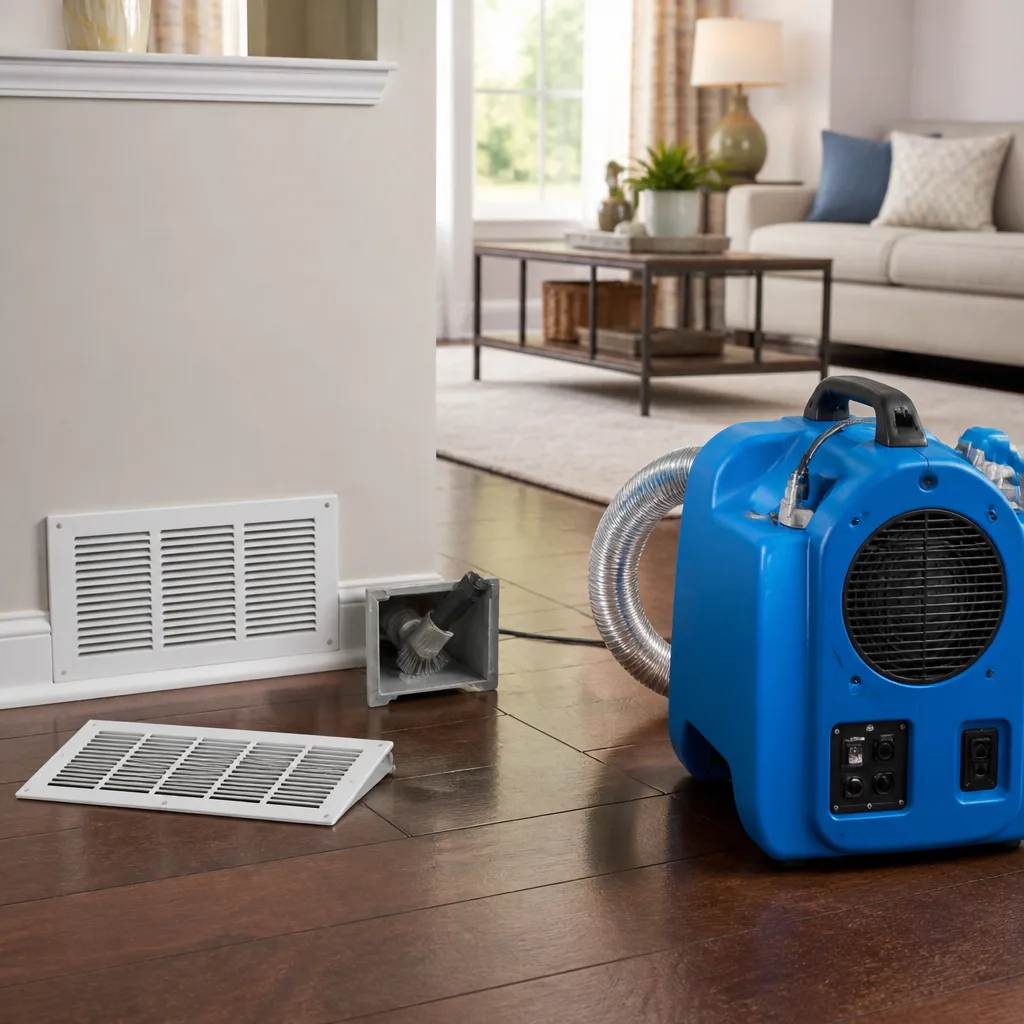 Sanitizing & deodorizing
Whole-system duct and dryer vent check with before-and-after photos - you see exactly what came out of your vents
That "$99 whole-house special" is a bait ad - the real number appears once they are in your hallway, or the "clean" is a shop-vac at the register. We photograph the inside of your ducts before and after instead.
Choosing the Right Air Duct Cleaning Brand: A Buyer’s Guide for Renton
Most homeowners in Renton shop for duct cleaning the same way they shop for a plumber: they read reviews, compare two or three prices, and pick the middle bid. That approach fails here, and it fails for a reason that has nothing to do with trustworthiness or cost. Duct cleaning is a mechanical removal problem. Loose debris has to be agitated off the duct wall and captured under containment, and a machine that only moves air cannot loosen what’s bonded to the metal. Reviews can tell you a company showed up on time. They can’t tell you whether their equipment could actually perform source removal in your system. This guide decodes the equipment brands you’ll encounter on quotes in Renton, what each one is engineered to do, and the exact questions that separate a professional system from a consumer tool in a professional-looking van.
Quick Answer
The right air duct cleaning company for your Renton home is the one whose equipment matches your contamination profile: mechanical contact agitation (Rotobrush) for debris stuck to duct walls, HEPA-rated negative air extraction (Nikro) to capture what’s loosened, and third-party negative-pressure containment (Abatement Technologies) to keep that debris out of your living space. A company with only one of these categories is running a partial job, no matter how many positive reviews they carry or how many years they’ve been operating. Ask for model names and verify them.
Styles & brands we work with
- Whole-home duct cleaning
- Dryer vent cleaning
- Camera inspection
- Sanitizing & deodorizing
Table of Contents
- Why equipment is a better quality signal than reviews or price
- What Rotobrush’s contact-cleaning system does that air-sweep-only systems cannot
- Nikro and the extraction backbone: why HEPA negative air is not optional
- Abatement Technologies and negative-pressure containment during the job
- What to ask a company about their equipment before you book
- How to verify claimed equipment against manufacturer records
- Matching equipment to your contamination profile in Renton
- Why duct repair and sealing belong in the same visit
Why equipment is a better quality signal than reviews or price
Duct cleaning has a physics problem at its core: settled and adhered debris does not move because air moves past it. Fine dust lifts easily with airflow. But grease films, construction dust packed into seams, pet dander bonded to flex duct, and decades of accumulated particulate on galvanized metal need mechanical contact to break the bond before any vacuum can capture them. That’s not a matter of technician skill or effort. It’s a matter of whether the tool on the truck can do the job at all.
This is why reviews mislead. A five-star rating reflects customer service, punctuality, and price fairness. It reflects whether the technician was polite and whether the invoice matched the quote. None of that tells you whether the machine reached the far end of your return trunk or just blew compressed air through the supply runs and called it done. Homeowners who’ve done their homework in Renton already sense this, which is why so many of them are searching for equipment brands rather than company names.
Price misleads for the same structural reason. A low bid usually reflects a smaller equipment investment, not a leaner overhead structure. When a company shows up with a shop vac and a hose, the low price is honest. It’s an honest price for a job that doesn’t address the contamination you hired them to remove.
Here’s the practical takeaway. A company’s equipment fleet is verifiable in a way that its reviews and its years in business are not. Reviews are curated, and tenure claims are frequently unverifiable. Equipment can be checked against manufacturer records, and equipment capability has hard physical limits you can reason about from first principles. That’s what makes it the strongest single signal available to a homeowner.
What Rotobrush’s contact-cleaning system does that air-sweep-only systems cannot
Rotobrush builds a contact-cleaning system, and the operative word is contact. The core tool is a rotary brush assembly on a flexible shaft that physically travels through the duct run, spinning against the duct wall and knocking adhered debris loose as it goes. A vacuum line runs alongside it and captures the material at the point of agitation. It’s engineered specifically for residential ductwork: flex duct, sheet metal, and the tight transitions and elbows that make up most Return and supply runs in the Puget Sound housing stock.
Compare that to air-sweep-only cleaning, where the technician uses compressed air or a high-volume blower to push debris through the system. Air sweep works well for loose surface dust. It struggles with anything adhered. It also has a second problem: it can drive debris into seams, joints, and the HVAC unit itself rather than removing it from the system. Without a contact tool, the debris ends up somewhere else in the air pathway instead of out of the house.
The contamination profiles that need mechanical agitation rather than airflow alone, in our experience with Renton homes:
- Grease film in kitchen-adjacent return runs in older Renton houses with open-plan kitchens and undersized exhaust.
- Pet dander accumulation on flex duct lining, which behaves like felt and holds particulate that airflow can’t dislodge.
- Construction dust from remodel work, packed into seams and joints and hardened by years of thermal cycling.
- Biological growth on duct surfaces in high-humidity crawl space systems, common in older Renton neighborhoods where crawl space systems were retrofit rather than designed in.
- Rodent debris in duct runs that pass through attic or crawl space spaces, which needs both mechanical removal and sanitizing follow-up.
If a company you’re considering in Renton can’t describe their agitation method in concrete terms, ask directly: what tool physically contacts the duct wall, and how does the vacuum capture debris at the contact point? A company using Rotobrush equipment can answer that question precisely. A company running air sweep only will answer in generalities.
Nikro and the extraction backbone: why HEPA negative air is not optional
Agitation is half the job. Capture is the other half, and it’s where most residential duct cleaning falls short. Nikro builds HEPA-rated negative air machines and the vacuum systems that extract debris from ductwork during cleaning. In a properly executed job, the Nikro unit creates negative pressure in the duct system while the RotaryBrush agitates. Debris loosened at the far end of the run is drawn toward the machine and captured in HEPA filtration, not released into the living space when the system is reopened.
Why HEPA specifically matters: the fine fraction of duct contamination, the sub-micron particulate, is the part that travels deepest into the respiratory system and the part that settles back out onto furniture if it becomes airborne during cleaning. Standard shop-vac filtration captures the coarse fraction and returns the fine fraction to the room air. HEPA-rated filtration captures both, and that’s not a marketing premium. It’s a different class of filter with a defined capture specification.
There’s also the load problem. A duct cleaning job on a typical Renton house generates a substantial volume of recovered material: dust, hair, dander, lint, and construction debris. Consumer-grade vacuums aren’t rated for that volume, and they lose suction as the filter loads. A professional Nikro unit is engineered to keep extracting as it fills, which is the difference between a job where the far end of the longest return is actually cleaned and a job where the technician stops early because the machine is struggling.
If a company describes their vacuum as “industrial” or “heavy duty” without naming a brand or a filtration class, that’s the moment to ask for specifics. The Nikro system is a recognizable standard. Any IAQ contractor using it can tell you the model, the filtration rating, and how it’s paired with the agitation tool. Compare this to air duct cleaning as a general scope, where the extraction standard is the same across every job.
Abatement Technologies and negative-pressure containment during the job
Abatement Technologies builds containment and air filtration equipment used in remediation and IAQ work, and its presence on a residential job signals something specific: third-party verified negative pressure during execution. What that means practically is that the unit maintains the work area, including open duct registers and the HVAC unit itself, at a lower pressure than the surrounding living space. Airflows into the work zone rather than out of it. Agitated debris, the airborne fine fraction that gets stirred up the moment a register is opened, can’t escape into the room.
Negative pressure containment is standard on commercial and remediation jobs. Most residential duct cleaning skips it entirely, which is why homeowners in Renton often notice dust settling across the living room within a day of a cleaning. That’s not coincidence and it’s not “normal”. It’s the fine fraction that became airborne during cleaning and was returned to the room instead of being captured. The dust came out of the ducts, but it didn’t leave the house.
Why we treat Abatement Technologies equipment as a baseline rather than an upgrade: it protects the living space while the work is happening. A family using an occupied home during the cleaning, a property manager having work performed while tenants are in place, or anyone with allergies or respiratory sensitivity has a legitimate reason to require containment.
When you’re evaluating a company, this is the question that separates serious IAQ contractors from generalists. Ask: how do you maintain negative pressure during the job, and what equipment provides it? A company using Abatement Technologies equipment will answer without hesitation. A company using standard HVAC contractor tools probably won’t have an answer, because containment isn’t part of their job process.
What to ask a company about their equipment before you book
The right time to ask equipment questions is before the estimate, not on the morning of the appointment. Manufacturers publish recognizable model lines and industry-standard categories, and a professional contractor will answer these specific questions clearly and without defensiveness. Here’s the sequence that surfaces real capability:
- What agitation tool do you use inside the duct? You’re looking for a brand name (Rotobrush is the residential standard) or an equivalent contact-cleaning system description. “Air sweep” or “blower” as the only answer means they can’t remove adhered debris.
- What’s the filtration rating on your vacuum? The answer should be HEPA-rated, and the brand should be named. “Commercial-grade” or “high-power” without a brand or rating is a deflection.
- Do you use negative pressure containment during the job? The answer should mention a specific containment or air filtration system, not just “we close the registers”.
- How do you handle return ducts, and how do you clean the HVAC unit itself? The air handler and evaporator coil are part of the air pathway. A company that only cleans the supply side has cleaned half the system.
- What happens if you find compromised ductwork during the job? If the answer is “you’ll need to call a separate repair contractor”, you’ve found a scope gap. Duct repair and sealing is part of what we do, and a company without it will leave you arranging a second visit.
- Can you show me the equipment model you’ll be using at my property? A confirmed model or brand at booking time, not at the appointment, is the strongest indication the equipment is real and specific to your job.
- Do you clean dryer vents and HVAC units, or only ducts? A company covering the full air pathway sees problems a ducts-only contractor misses.
Anyone serious about duct cleaning will answer these. The answers themselves are not proprietary, and no legitimate contractor will refuse to identify their equipment. If a company gets defensive about equipment questions before you’ve even booked, take that as your answer.
How to verify claimed equipment against manufacturer records
The final step is cross-checking the claim. Most professional equipment manufacturers maintain dealer or contractor locators, and checking a company against a manufacturer’s own records tells you whether the claimed equipment is actually part of their fleet rather than a borrowed photo or a stock image on a website.
Here’s the process, in order:
- Write down the exact brand and model at quote time. Not “Rotobrush” as a category, but the specific line the company uses. This is what you’ll verify against.
- Check the manufacturer’s dealer or contractor locator. Rotobrush, Nikro, and Abatement Technologies all maintain contractor directories. Search the company’s name and the general Renton area in the directory.
- Ask the company to confirm their equipment list in writing. A professional contractor can provide a short written list of equipment they’ll use on your job. It’s a reasonable request, and it surfaces the companies whose claims don’t survive a written format.
- Compare the manufacturer’s product range to what the company described. If a company claims a full-scale commercial abatement system for a 1,500-square-foot Renton rambler, that’s a mismatch. Systems are sized to the property. A professional contractor will describe how the machine scales to the job, not just the brand name.
What it means if they can’t verify: the equipment claim is a marketing line, not a fleet description. That doesn’t make the company a scam, but it does mean their job scope is narrower than advertised. In our experience, a contractor operating consumer tools dressed up with professional brand language on the website is the most common pattern homeowners should be alert to, and it’s usually visible in one round of model questions.
Matching equipment to your contamination profile in Renton
The thesis of this guide is that equipment should match the job, and in Renton that means understanding the specific conditions of local housing stock. Renton’s climate is damp for much of the year, and the region’s older housing runs toward crawl space HVAC systems, retrofit rather than designed for the house. That combination produces two predictable patterns.
First, moisture in crawl space duct systems. Damp air moving through sheet metal and flex duct, especially in runs with insulation gaps or minor leaks, creates conditions that support biological growth on duct surfaces. Cleaning a system like this without sanitizing treatment just clears the surface for the next round. The whole-pathway approach is to clean, then treat, using products like those in the Guardsman line for sanitizing the system after debris removal.
Second, construction-era dust from the 1970s and 1980s building boom. Much of Renton’s housing stock was built during periods of high construction volume, and construction dust packed into seams over decades is firmly adhered. This is exactly the profile where contact agitation matters most. A Rotobrush system works through that material. Air sweep moves it around.
Renton properties also frequently have composite transition systems: sheet metal trunks feeding flex branches to registers. Flex duct has a corrugated surface that holds debris differently than sheet metal, and cleaning methods that are effective on metal can leave the lining of flex runs untouched. A company with multiple equipment types available can switch methods to match the run, rather than applying one tool uniformly. This is what full-system service looks like in practice: the equipment inventory is sized to the range of properties that exist in Renton, not to the single most common configuration.
Why duct repair and sealing belong in the same visit
During cleaning, technicians find things. Disconnected flex runs at the register boot, seams separated at joints, small rodent punctures, condensation damage in crawl space sections. These aren’t rare findings, especially in Renton’s older housing stock. The question is what happens next.
If the company you hired only does cleaning, the finding becomes a referral: “You’ll need to call an HVAC contractor to fix this at the joint.” That means a second company, a second visit, a second estimate, and the system sitting with a known leak in the meantime. Leaking joints pull unconditioned air from crawl spaces into the living space. They also undermine the cleaning you just paid for, because every leak is a return path for the debris you just removed.
Companies with duct repair and sealing as a core service, not an afterthought, can address findings in the same visit. That’s not a sales angle. It’s a scope question, and it’s the practical difference between a full-system job and a cleaning that leaves known problems deferred. When you’re evaluating equipment, add this to the list: does the company perform repair and sealing in-house? If not, the cleaning is a partial job by definition.
Common Mistakes to Avoid
- Choosing on price alone. The lowest bid usually reflects smaller equipment, not leaner overhead. In Renton’s competitive duct cleaning market, three bids can vary by hundreds of dollars with no visible difference in scope until the technician arrives and starts the machine.
- Trusting the review count over the equipment list. Reviews measure customer service, and customer service can be excellent while the equipment is consumer-grade. Twenty glowing reviews about politeness don’t tell you what vacuum was on the job.
- Taking the “professional equipment” claim at face value without a brand name. Every duct cleaning website says they use professional equipment. Few name the brand and model. If the website is vague on equipment, the company likely is too.
- Booking a ducts-only contractor when you have dryer vent and HVAC cleaning needs. Having a cleaning done in pieces, three visits, three companies, makes it harder to confirm the whole pathway was cleaned and easier to miss connections between cleaning scopes. The scope should be one visit, one complete air pathway.
- Skipping the containment question. If a company can’t explain how they maintain negative pressure during the job, expect to clean dust off your counters and shelves the day after. This is the most common complaint we hear from Renton homeowners who had a previous cleaning done by a company that skipped containment.
- Assuming a company handles repair because they cleaned. Cleaning and repair are separate scopes. Confirm repair and sealing is included in the same visit’s scope before you book.
- Not knowing your own system before the estimate. Look at your system first: number of returns, whether you have flex or sheet metal, whether the HVAC unit is in a crawl space or a closet. A company that asks about your system details during the estimate and adjusts their equipment recommendation accordingly is telling you something about their process.
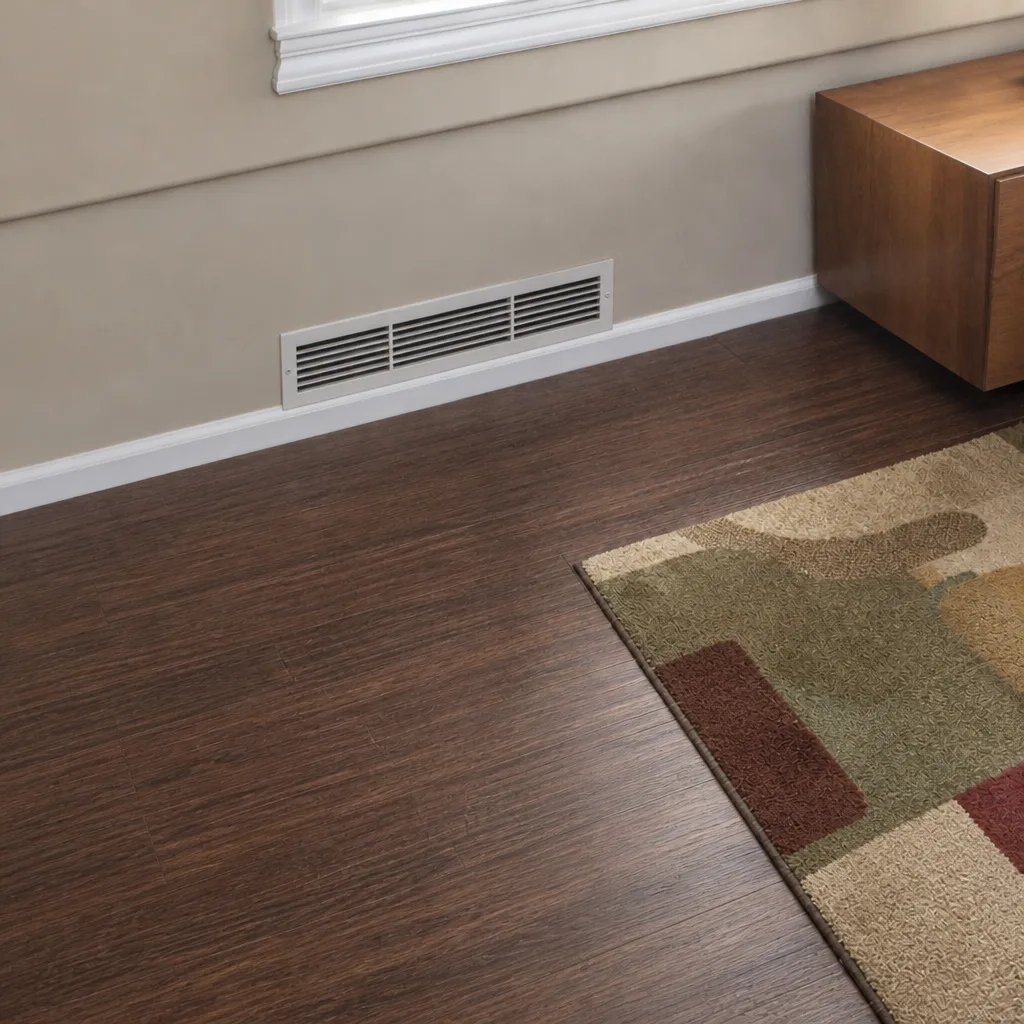
See the difference
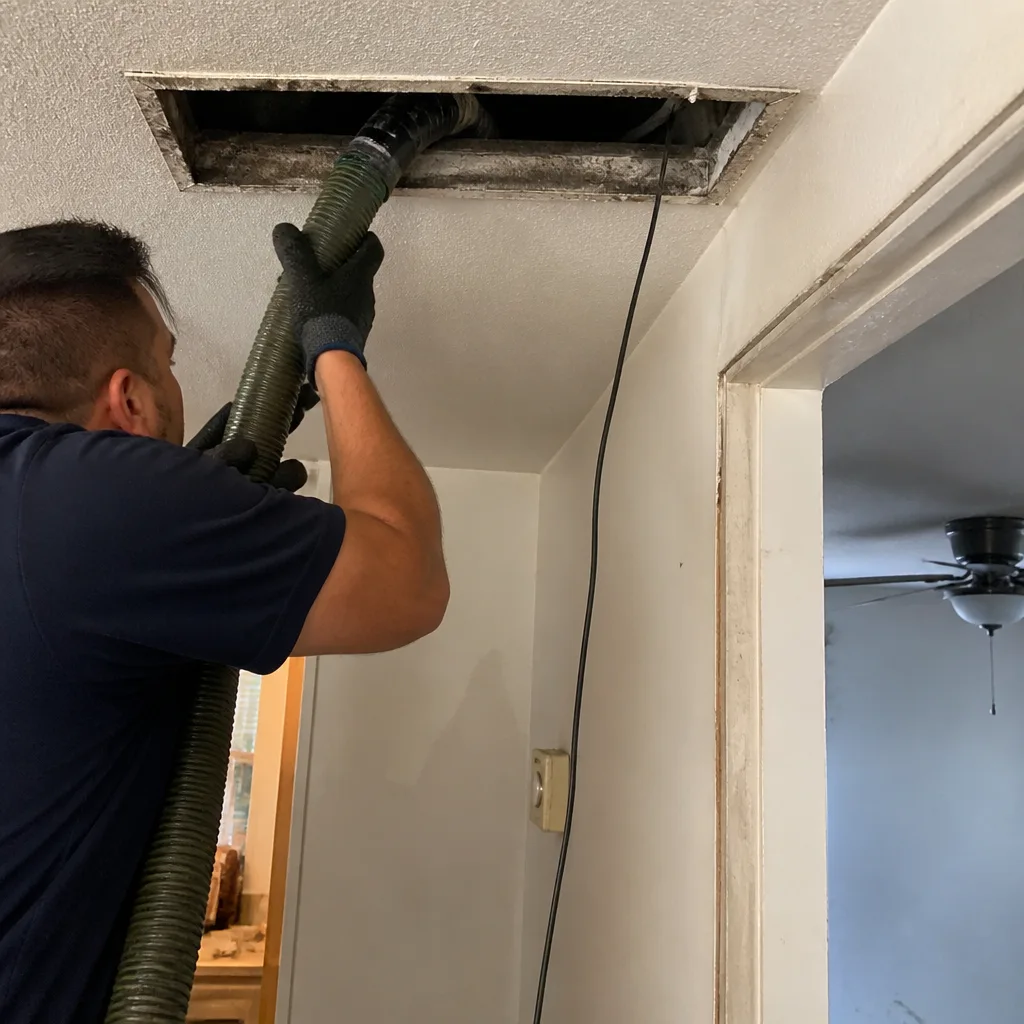 Before
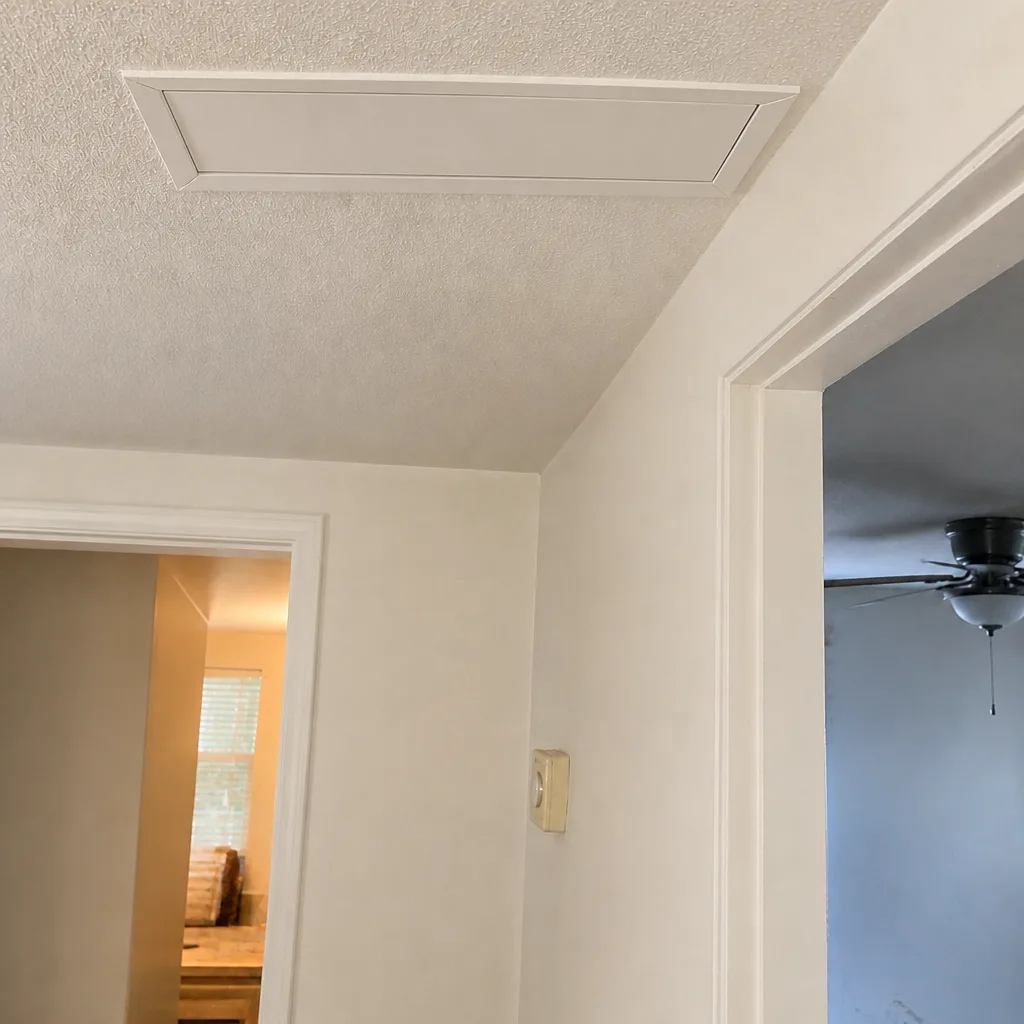 After
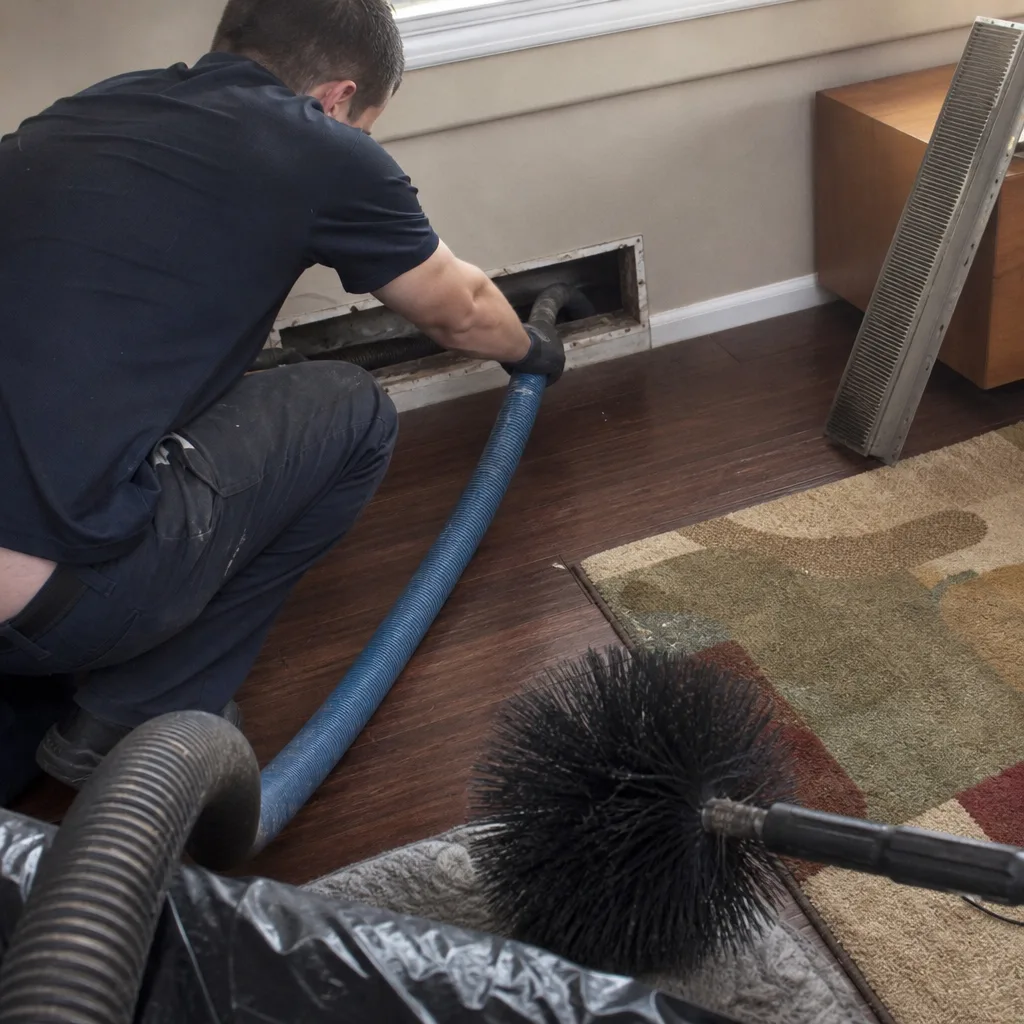 Before
 After
 Before
 After
When to Call a Professional
Several conditions warrant a professional assessment rather than waiting for the next scheduled cleaning. If you’ve noticed a persistent dust film returning across surfaces within days of cleaning, the debris source is likely deeper than what a consumer vacuum can reach. If the house was built or renovated in a period with significant construction dust (a remodel in the last ten years, or original construction in the 1970s or 1980s), construction particulate in the ducts commonly needs mechanical agitation. If occupants are seeing allergy symptoms that intensify when the HVAC runs, that’s a reason to inspect the full air pathway rather than assuming the filter is the only variable. And if you’ve recently found rodent activity in crawl space or attic duct runs, that scenario requires both cleaning and sanitizing treatment.
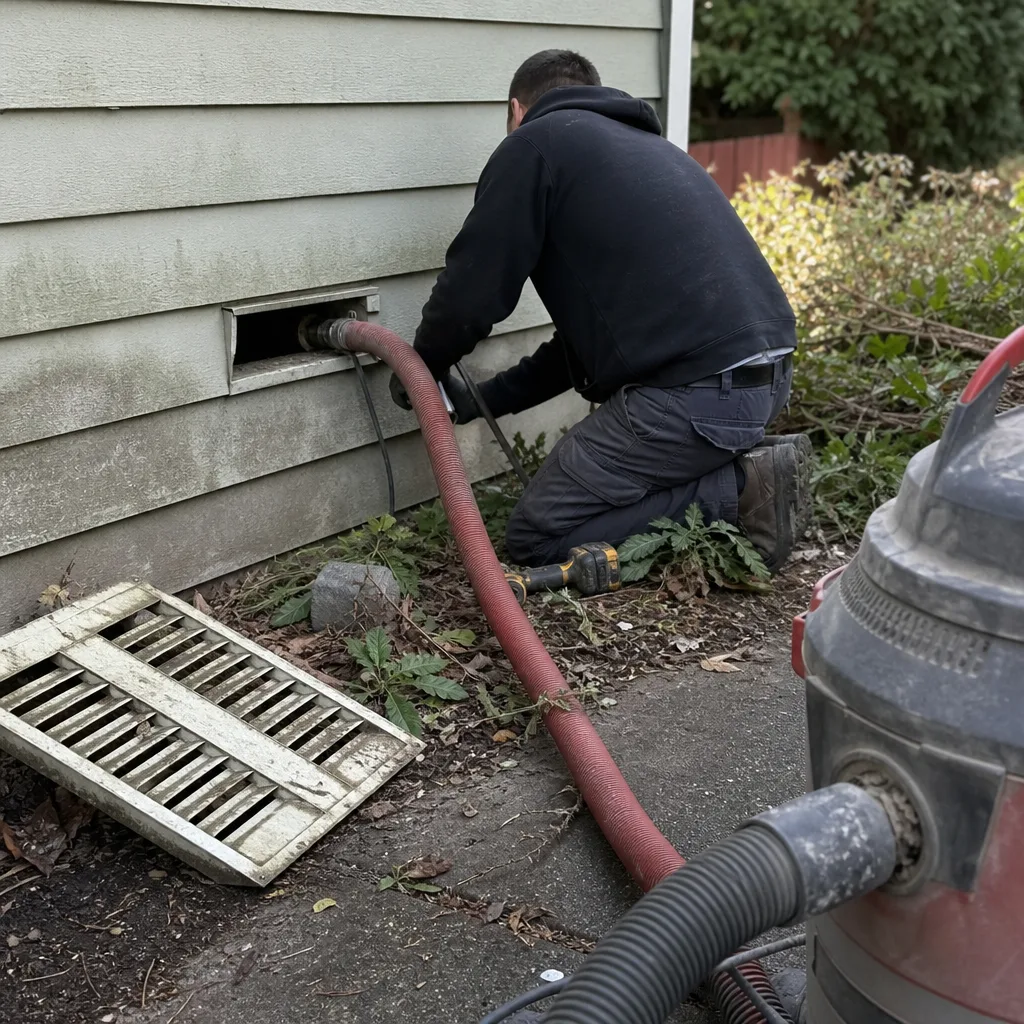
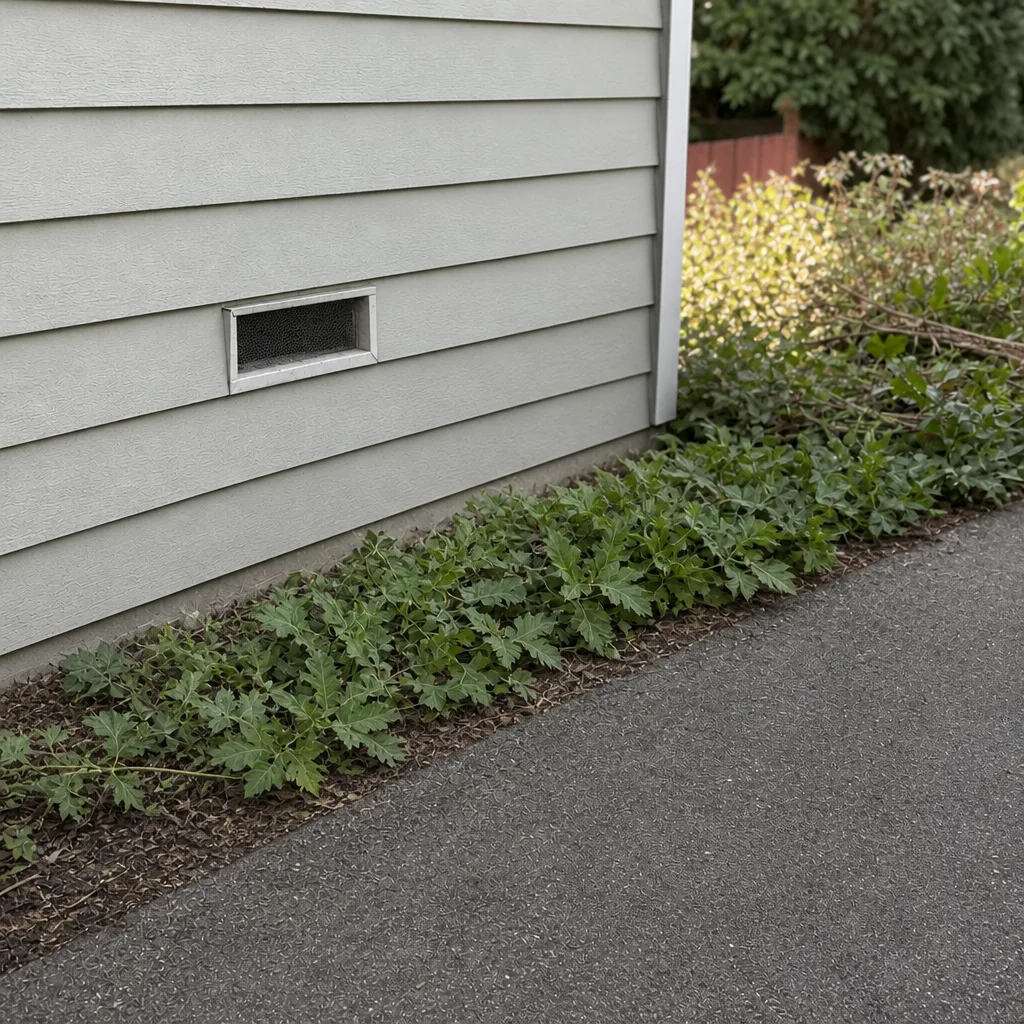
For dryer vent cleaning, another important check: lent accumulation in the dryer vent is a fire hazard, and a proper inspection includes verification that the vent path is clear from the dryer to the exterior. We handle this as part of full-system service because the dryer vent is a critical part of the home’s air and heat pathway.
Renton Air Duct Cleaning Pros offers free estimates in Renton. Call (888) 423-4218. We answer 24/7. Fast dispatch from 7am to 7pm, Sunday through Friday. Estimates are free, the price is set per job by a written estimate, and the estimate sets the final price.
Frequently Asked Questions
A company’s equipment is professional-grade if they can name specific brands and model lines, and the named equipment matches the job. Ask for the brand and model of the agitation tool (Rotobrush is the residential standard) and the filtration rating on their vacuum (HEPA-rated is the professional baseline). Any legitimate contractor will answer without hesitation. Deflection on the model question is the tell. Call (888) 423-4218 for a free estimate and we’ll answer any equipment question you have before you book.
Rotobrush surpasses air sweep in any home with adhered debris: grease, pet dander, construction dust, or biological growth on duct surfaces. Air sweep only moves material; it can’t break the bond between debris and the duct wall. In Renton’s older housing stock, particularly homes built in construction boom decades, adhered construction dust is common enough that contact agitation should be assumed necessary. Older flex duct and crawl space systems make this more, not less, likely. Call (888) 423-4218 to book an estimate.
Abatement Technologies units maintain negative pressure during the cleaning, so fine debris stirred up during agitation can’t escape into your living space. Most residential duct cleaners skip containment entirely, which is why dust settles across the house within a day of cleaning. Containment is the difference between debris that leaves the house and debris that returns to your counters. If you’ve had a previous cleaning where the house dusted up afterward, containment was missing.
Check the manufacturer’s dealer or contractor locator with the company’s name and general location. Rotobrush, Nikro, and Abatement Technologies all maintain contractor directories. A company that’s listed has a verifiable equipment relationship. A company that isn’t listed may still own the equipment as a secondhand purchase, so the follow-up is to ask for a written equipment list and check whether the models they name actually exist in those manufacturers’ product lines.
Sanitizing is warranted when the duct system has biological growth, rodent contamination, or moisture-driven conditions. In Renton, crawl space systems and older flex ducts tend toward these conditions more than dry-climate homes do. Cleaning removes the debris; treatment addresses what’s left on the surfaces after cleaning. A company with full-system scope can assess and treat in the same visit rather than referring a separate contractor. Call (888) 423-4218 for an assessment and a free estimate.
Repair belongs with cleaning because leaks found during cleaning are, by definition, pathways back into the system for the debris just removed. Deferring the repair means the cleaning is undermined by the known leak. A single visit with full-system scope (cleaning, inspection, repair and sealing) resolves the finding on the spot. A cleaning-only contractor will refer you to a second company and the leaking joint stays open in the meantime.
The Bottom Line
For Renton homeowners, the most reliable filter for choosing an air duct cleaning company is their equipment, not their reviews or their price. Reviews measure customer service. Price measures bid level. Equipment measures whether the removal job can actually be performed. The professional standard is three layers: contact agitation to loosen adhered debris from duct walls, HEPA-rated negative air extraction to capture it at the point of removal, and containment to keep the fine fraction out of your living space while the work happens. Companies carrying all three, in purpose-built professional equipment from brands like Rotobrush, Nikro, and Abatement Technologies, can state that capability plainly. Companies that deflect the question are telling you something important before you book. Add duct repair and sealing to the scope, confirm the full air pathway is covered in one visit, and ask for the model names before you schedule. The written estimate sets the final price, and the estimate is free.
Renton Air Duct Cleaning Pros cleans the whole air pathway: supply ducts, return ducts, HVAC unit, dryer vent, and sanitizing treatment. We work with professional-grade equipment, including Rotobrush and Nikro systems, and Abatement Technologies containment during the job. We offer free estimates in Renton. Dryer vent cleaning and HVAC cleaning are part of the same full-system scope. To book, call (888) 423-4218. We answer 24/7. Fast dispatch from 7am to 7pm, Sunday through Friday.
For a broader overview of the full system and how these services work together, visit Renton Air Duct Cleaning Pros.
Written by the team at Renton Air Duct Cleaning Pros.