
Last updated November 25, 2026
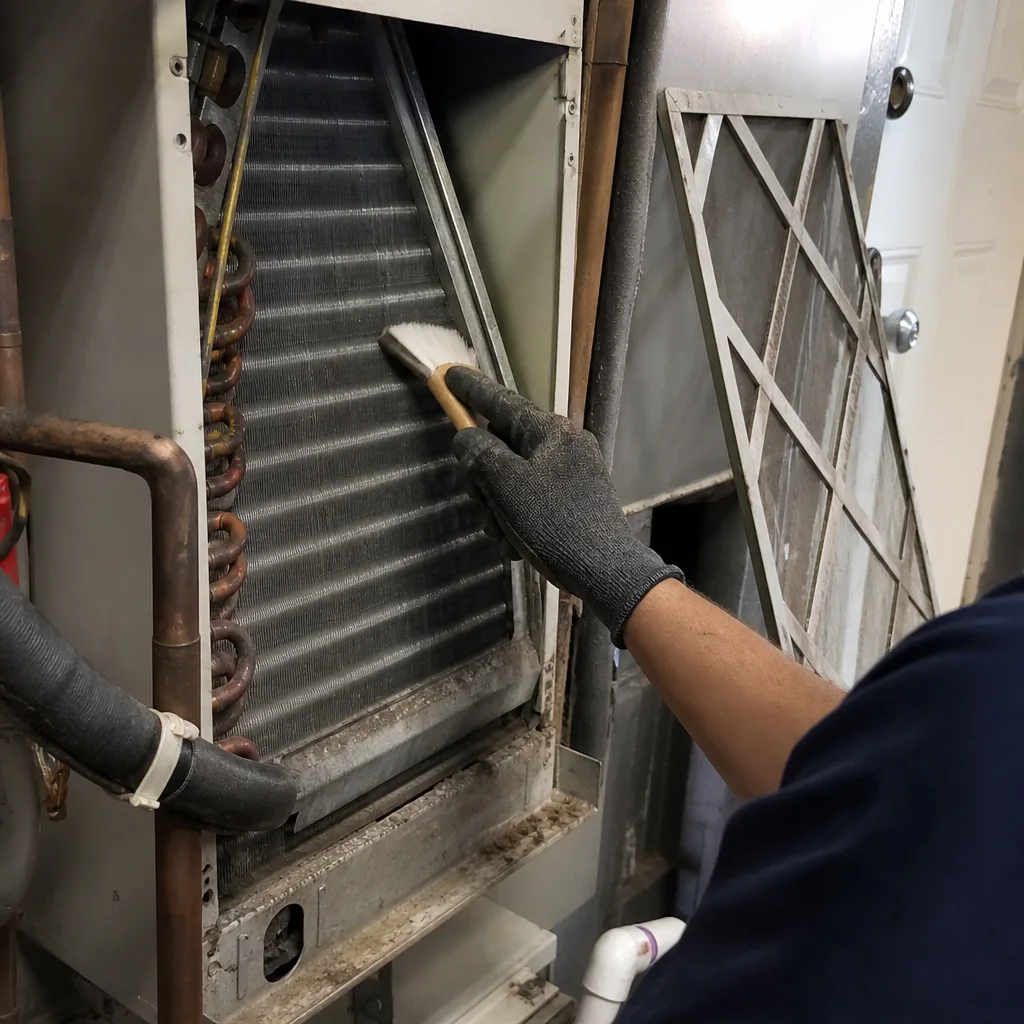
 Whole-home duct cleaning
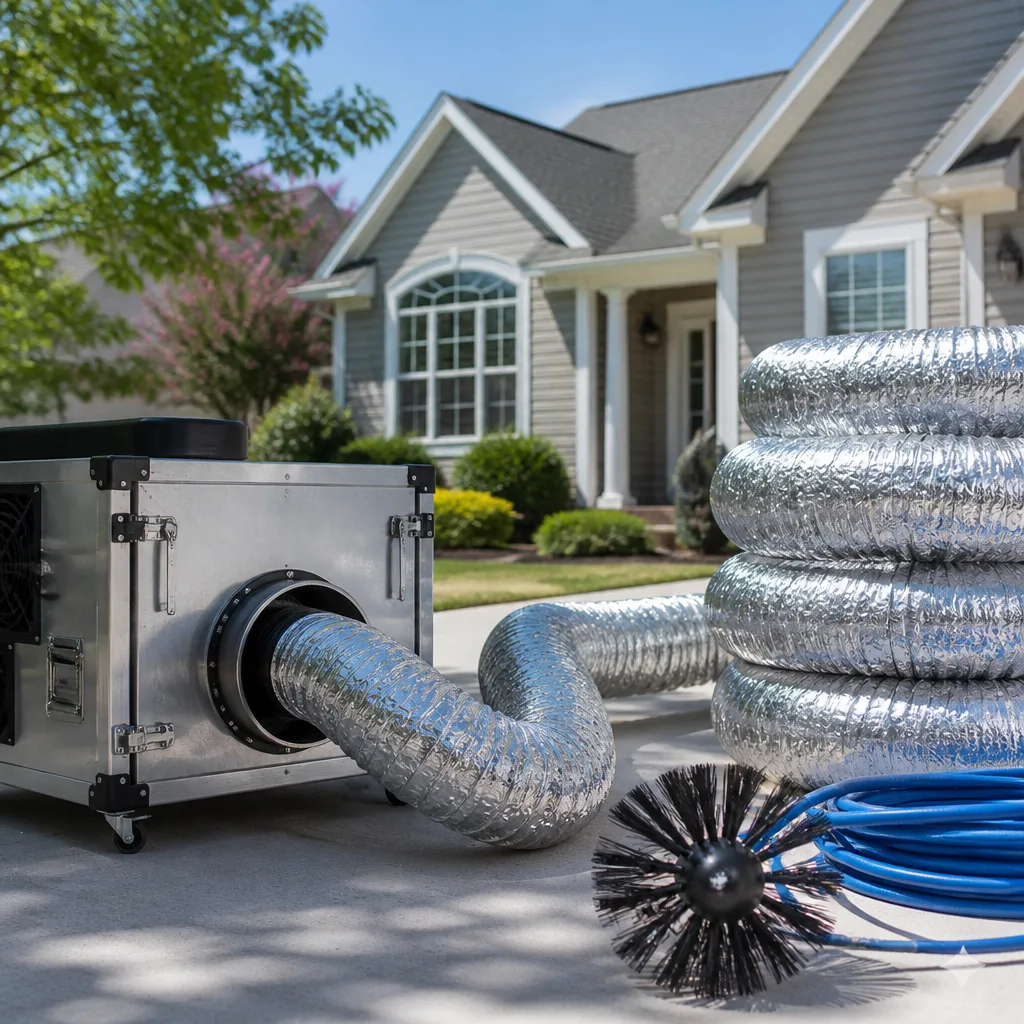
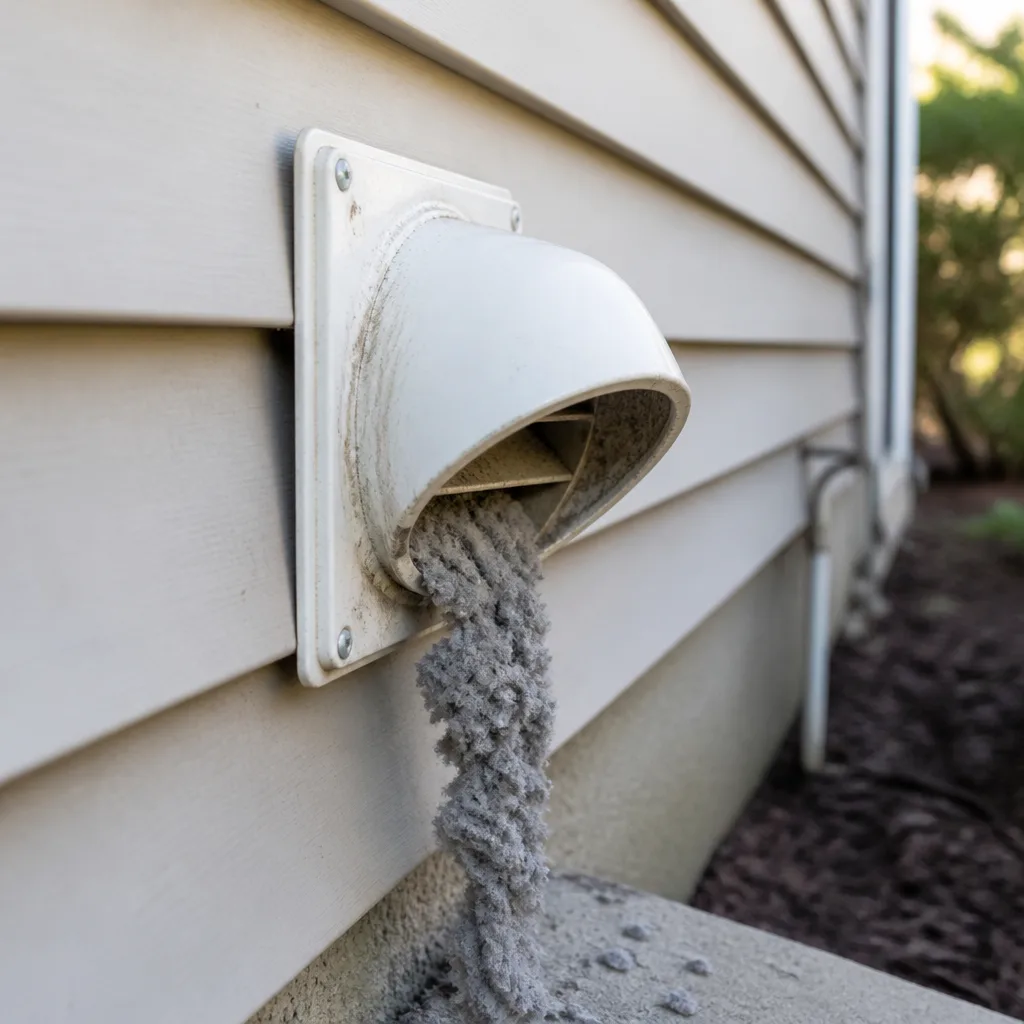 Dryer vent cleaning
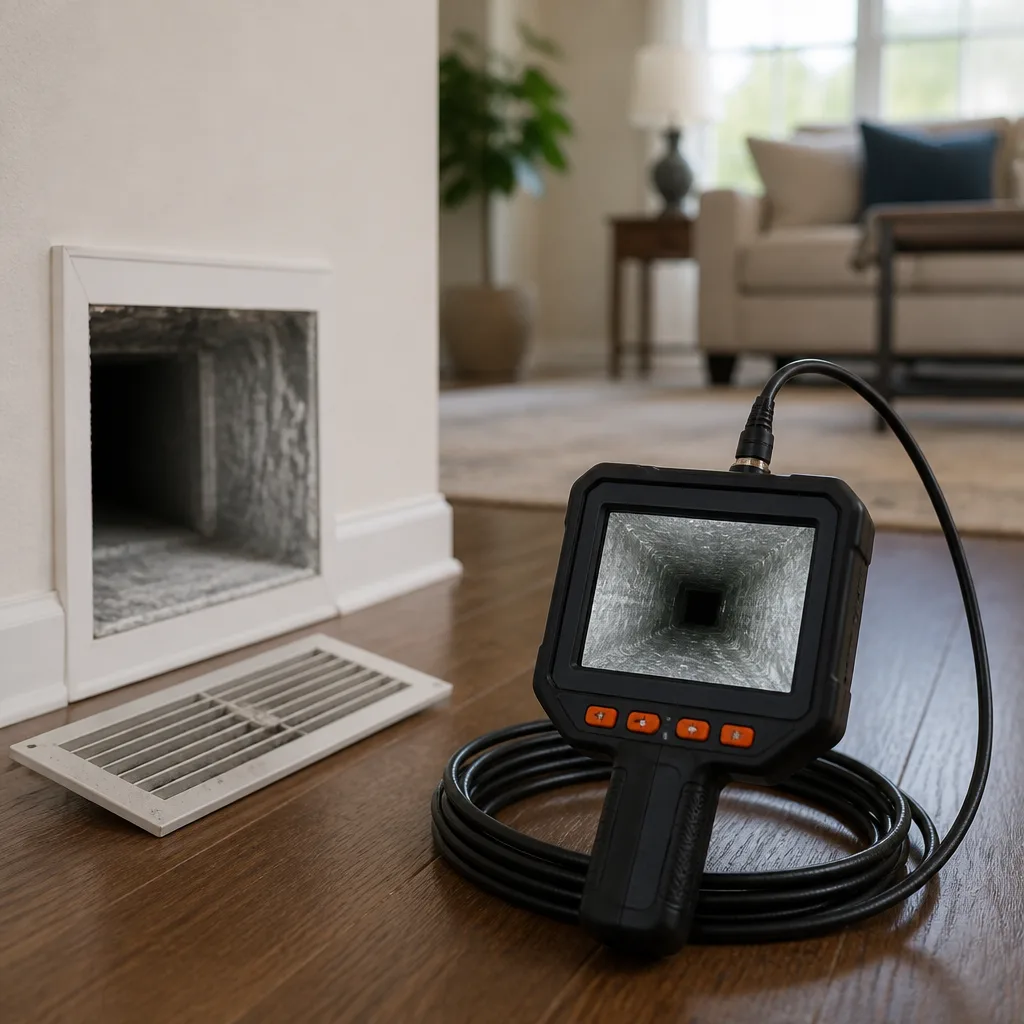 Camera inspection
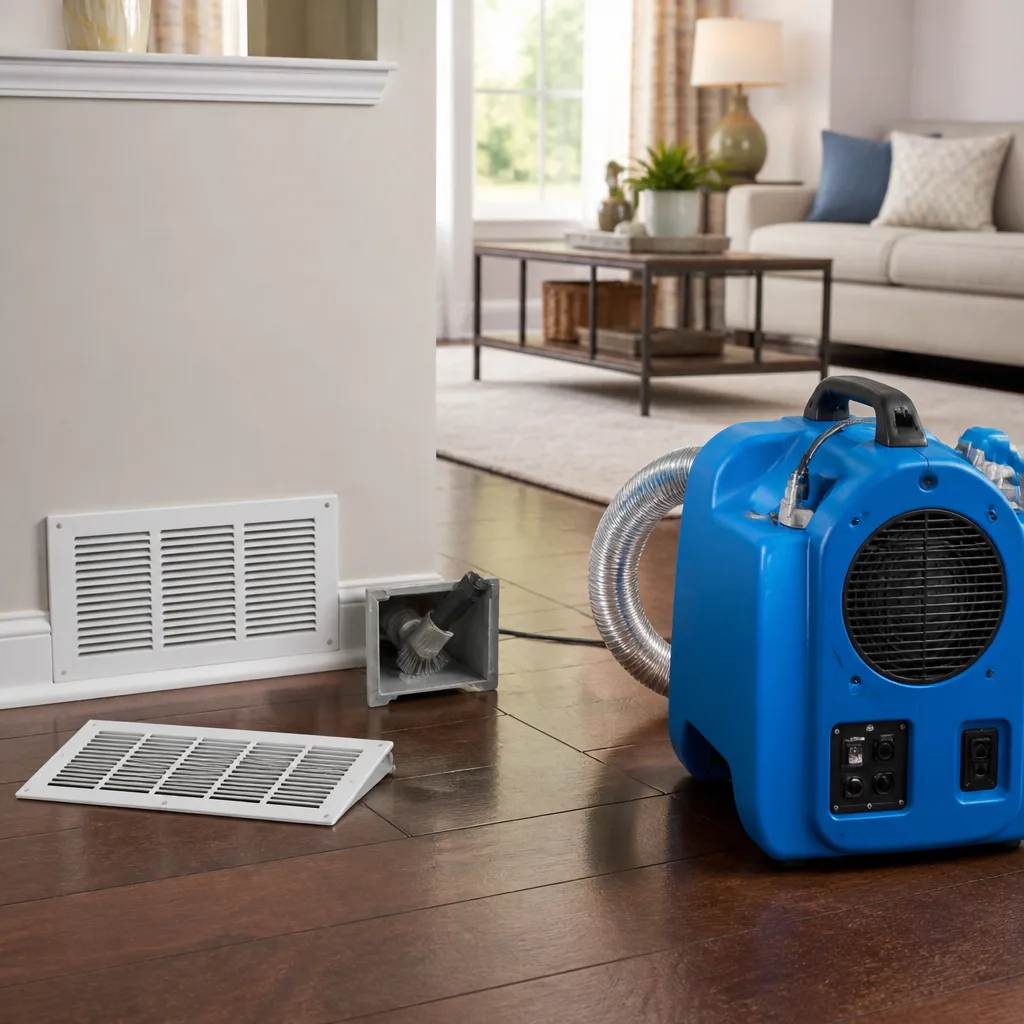 Sanitizing & deodorizing
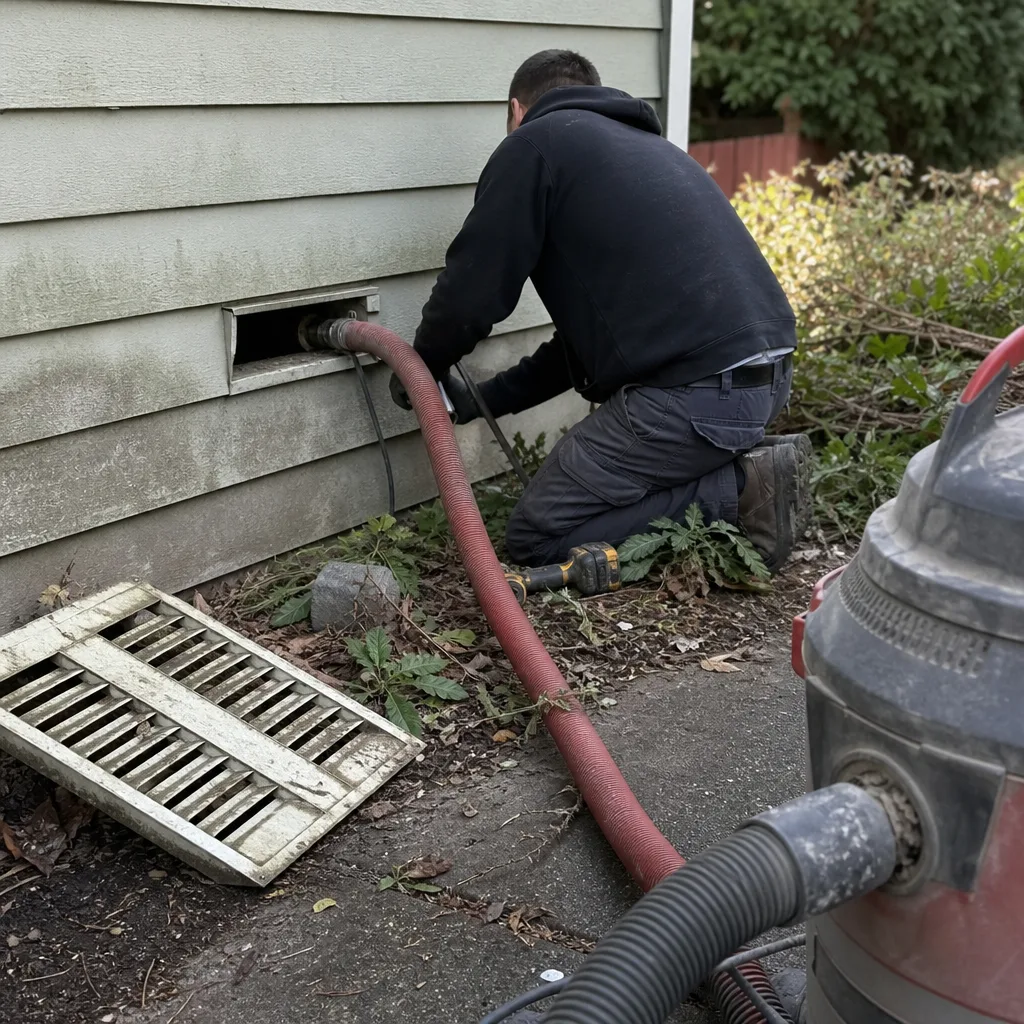
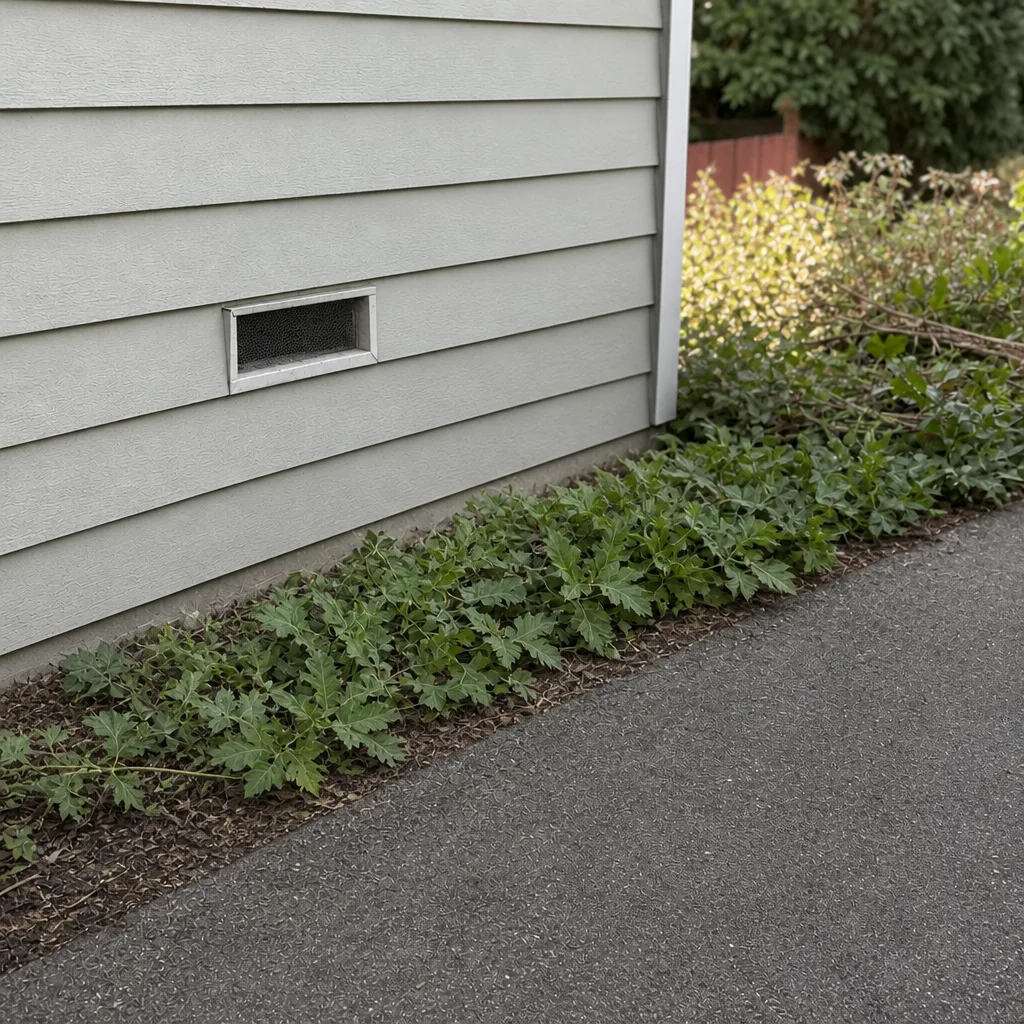
Whole-system duct and dryer vent check with before-and-after photos - you see exactly what came out of your vents
That "$99 whole-house special" is a bait ad - the real number appears once they are in your hallway, or the "clean" is a shop-vac at the register. We photograph the inside of your ducts before and after instead.
How to Hire an Air Duct Cleaning Contractor in Renton: A Step-by-Step Guide
A $99 whole-house duct cleaning offer isn’t a deal. It’s a business model. The math only works if the technician is in and out in under 90 minutes, and no one can do source-removal cleaning on a typical Renton home in that window. That’s not a knock on any single company. It’s arithmetic. Washington doesn’t license air duct cleaning as its own trade, so the only protection you have is knowing what to ask and what to verify before anyone touches your system. This guide gives you that filter: the equipment questions, the credentials that matter, the quote red flags, and a way to compare two bids on actual scope instead of price alone.
Quick Answer
Hiring an air duct cleaning contractor in Renton comes down to three checks: confirm the crew uses purpose-built equipment (Rotobrush, Nikro, or Abatement Technologies units, not a shop vac with hoses taped on), confirm the quote process includes questions about your home’s square footage and duct configuration, and confirm the written scope covers access points, component cleaning, and post-job verification. Ask for NADCA membership and ACR standard compliance, get a line-item scope in writing, and walk away from any price quoted before anyone has looked at your system.
Styles & brands we work with
- Whole-home duct cleaning
- Dryer vent cleaning
- Camera inspection
- Sanitizing & deodorizing
Table of Contents
- Why hiring in Renton takes more care than it does in other trades
- The equipment questions to ask before you book
- What NADCA membership and ACR compliance actually mean
- Red flags in the quote process
- What a legitimate job scope document should include
- How to compare two bids fairly
- When your ducts actually need cleaning
- Common mistakes to avoid
Why Hiring in Renton Takes More Care Than It Does in Other Trades
Washington regulates plumbers, electricians, and general contractors through specific licensing pathways. Air duct cleaning isn’t one of them. There’s no state license class for indoor air quality work, which means anyone with a van and a hose can put “duct cleaning” on the side. That gap is why the hiring decision falls entirely on you. In Renton, where the housing stock runs from 1960s split-levels near the Highlands to newer construction out toward the valley, you’ll encounter crews that know how to work both and crews that don’t.
The local climate adds a wrinkle. Renton sits in a marine-influenced zone where indoor humidity runs high through most of the year and homes stay closed up for long stretches. That’s favorable for dust and biological growth inside ductwork, and unfavorable for anyone hoping the problem solves itself. Systems that ran through a wet winter with a dirty filter tend to hold more debris on the evaporator coil and in the return plenum by spring.
What that means for hiring: the contractor needs experience with Washington homes specifically, not a national franchise script. Ask whether they’ve worked on systems with heat pumps and gas furnaces common in this region, and whether their equipment handles both rigid and flex duct, since plenty of Renton homes have a mix. A crew that only knows one configuration will either damage flex or skip it entirely.
Here’s the part most homeowners miss. The hiring decision isn’t really about finding the cheapest name in Renton. It’s about finding the one contractor who will show you what’s inside the system before and after the work, and who has the equipment to do the job properly rather than the equipment to do it quickly. Those are different businesses.
The Equipment Questions to Ask Before You Book
The single most useful question you can ask a duct cleaning company is what equipment they run. It sounds technical. It’s really a character question in disguise, because a crew using consumer-grade tools will talk around it or name a shop vac brand.
Professional duct cleaning equipment looks different from what most people picture. Rotobrush and Nikro units are purpose-built systems with rotary agitation heads that travel the inside of the duct and knock debris loose, then extract it through a high-volume vacuum connected to a containment setup. A commercial shop vac taped to a flexible hose is not the same machine. It doesn’t have the airflow or the agitation, and it usually doesn’t have the containment.
Containment is the second equipment question, and it’s the one most homeowners never think to ask. Abatement Technologies equipment is what you want to hear named here because it signals true negative-pressure containment, which means the system is held under vacuum during cleaning so loosened debris and dust travel toward the extractor instead of into your living room. Most residential duct cleaners skip this step entirely. A crew that sets up negative pressure takes longer to arrive at the point of work. That’s a good sign, not a bad one.
Ask these questions directly when you call:
- What brand of duct cleaning machine do you use?
- Do you set up negative-pressure containment during the job?
- Do you clean the supply and return sides, or just the supply?
- Do you clean the HVAC unit’s blower and coil, or just the ducts?
- Do you use agitation tools inside the duct, or just vacuum at the registers?
- Do you take before-and-after photos from inside the ductwork?
A legitimate contractor answers all six without hesitation and without upselling. If the answer to “what equipment” is vague, that’s your answer. When we do air duct cleaning in Renton, we bring Rotobrush and Nikro systems because they’re built specifically for this work, and the difference shows up in what you can see inside the duct afterward. If a company can’t name their equipment, they probably don’t want you to know.
What NADCA Membership and ACR Compliance Actually Mean
The National Air Duct Cleaners Association, known as NADCA, is the closest thing this industry has to a real credential. NADCA publishes the ACR standard, which is the Assessment, Cleaning, and Restoration standard for HVAC systems. It’s the document that defines what “clean” means when a contractor says the job is done. A contractor who follows ACR has a defined scope, a verification step, and a standard to answer to. One who doesn’t is using their own judgment as the benchmark, which is not a benchmark.
NADCA membership matters because it signals the contractor committed to that standard voluntarily. There’s no state license forcing it. So membership becomes the credential of record. Ask directly. Ask whether the technicians are certified through NADCA’s certification program (the ASCS credential) and whether the company is a member in good standing. A contractor who can’t answer is either not a member or doesn’t know their own business, and neither is who you want in your ductwork.
How to verify membership is straightforward. NADCA maintains a searchable directory of members on its website. You can check the company name there before you book. If they claim membership and don’t appear in the directory, that’s a red flag worth taking seriously.
The ACR standard’s practical value to you as a homeowner is the verification step. ACR requires the contractor to compare the cleaned system against a defined visual standard, not simply declare it clean because the vacuum ran. When a contractor tells you their work meets ACR, they’re telling you there’s a benchmark. Ask them to show you the before-and-after photos that demonstrate it.
One more credential question worth asking in Renton specifically: certification or training on specific IAQ product lines. If you have a Honeywell or Aprilaire filtration or humidification system already installed, the cleaning crew needs to know how to work around it without disturbing the setup. We work with both product lines, and it’s why we can clean a system with a whole-house humidifier without turning it into a separate service call to a different contractor.
Red Flags in the Quote Process
A quote given before anyone has seen your system is not a quote. It’s a teaser. Real duct cleaning pricing depends on square footage, the number of registers and returns, duct material, accessibility, whether the HVAC unit is included, and the condition of the system. A contractor who quotes $199 for a 3,000-square-foot Renton home with two furnaces and thirty registers has either not thought about it or is planning to make up the difference once the technician is inside your house.
Here’s what to watch for when you’re comparing proposals:
- A price quoted without asking your square footage. This is the clearest sign you’re looking at a fixed teaser figure with an upsell behind it.
- No mention of register or duct count. A house with twelve registers and a house with thirty are different jobs. A real quote reflects that.
- “Free” inspection that becomes a sales pitch. If the inspection only exists to introduce a dramatically higher package price, it wasn’t an inspection.
- Add-ons presented as required at the door. Sanitizing, sealing, and duct repair should be in the written scope if they’re needed, not introduced after the technician arrives.
- No written scope before work starts. If you can’t read what’s being done before it’s done, you have no way to verify what happened.
- No mention of post-job verification. A completed job without a check step is a claim, not a result.
- Urgency built into the offer. Duct cleaning is scheduled work. There’s no legitimate reason a price has to be locked in within the hour.
The flip side is worth naming. A contractor who asks questions about your home, quotes a range with the written estimate setting the final price, and puts their scope in the proposal is the one you’re looking for. The questions they ask before quoting tell you as much as the number they quote afterward.
What a Legitimate Job Scope Document Should Include
The scope document is where the real work gets defined. A good one has line items, not a lump sum. Here’s what should appear on it, and what each line protects you from:
- Access points identified. Every opening point in the system should be named. This includes supply registers, return grilles, and any plenum or trunk line access. If the scope doesn’t say where the crew will open the system, you have no way to know they’ll open it completely.
- Supply side and return side both listed. Cleaning the supply side and skipping the return is a common shortcut. The return is where dust actually settles first. If the scope doesn’t mention returns, ask.
- Component cleaning in the HVAC unit. The blower wheel and evaporator coil should be on the scope, or there should be a clear note about why not. This is separate work from duct cleaning and often where the real dirt lives.
- Dryer vent as a separate line item. If the dryer vent is included, it should be its own scope item with its own access point. If it’s not included, that’s fine, but it shouldn’t be a surprise add-on later. See for what a full dryer vent job entails.
- Sanitizing scope, if applicable. Any treatment applied inside the system should be named, along with what’s being applied. If the contractor uses Guardsman-grade protection products, that should be on the scope, not improvised at the door.
- Repair and sealing line items. If compromised ductwork is found during inspection, the scope should either include the repair or note that it will be quoted separately. What it shouldn’t do is leave you hunting a second contractor who’s willing to fix what the first one found.
- Post-job verification. ACR-aligned work ends with a check step. The scope should name it, and the contractor should be prepared to show you before-and-after photos from inside the ducts.
None of these items is exotic. They’re what proper work looks like when it’s documented. If a contractor hands you a scope with three lines on it – “whole house duct cleaning, dryer vent, sanitizing” – ask them to break it down. If they refuse, they’ve told you what you needed to know.
How to Compare Two Bids Fairly
Two clean-duct proposals can differ by a factor of three and still be quoted for the same house. That’s normal. What’s not normal is trying to compare them on price alone, because the price only means something when it sits next to a scope. The right comparison is item-by-item, and here’s how to structure it.
Write down four columns: scope item, contractor A, contractor B, and what each says about that item. Go through this list line by line:
- Equipment named. Does each bid state the duct cleaning machine? Rotobrush and Nikro named means something. “Professional equipment” doesn’t.
- Containment method. Does either bid mention negative-pressure containment? If only one does, you’re comparing a contained job to an uncontained one.
- Supply and return coverage. Confirm both bids cover both sides. If one doesn’t, the numbers aren’t comparable.
- Blower and coil cleaning. Confirm whether each bid includes HVAC unit component cleaning. If one does and one doesn’t, the lower price may just be missing work.
- Register and duct count. Both bids should reflect the actual number of openings. A bid that assumes fewer than your house has is a bid that will grow.
- Sanitizing scope. If one bid includes treatment and the other doesn’t, don’t compare total price without adjusting.
- Repair and sealing options. Confirm whether either bid addresses repair or sealing, and whether that’s quoted or just noted as a possibility.
- Verification and photos. Both bids should state that before-and-after photos will be provided. If one doesn’t, the completed job is harder to verify.
- Payment terms and final price. Both should state that the written estimate sets the final price. Any bid that leaves room for “additional charges depending on condition” needs to name the conditions in the scope, not in an invoice.
When you line them up this way, the cheaper bid often reveals itself as either a smaller scope or an unverified one. Occasionally the cheaper bid is genuinely better. That’s rare, and you’ll know it because the scope is stronger, not because the number is smaller. A homeowner in Renton comparing a $189 quote to a $650 quote on a 2,000-square-foot house with one furnace and twenty-two registers should expect the lower one to be missing the return side, containment, or verification, or all three.
When Your Ducts Actually Need Cleaning
Duct cleaning isn’t an annual subscription service. NADCA’s own guidance is that there’s no evidence routine cleaning of a residential system is necessary for health reasons. Cleaning is indicated when there’s a specific condition to address, not on a schedule. That’s an honest position, and it’s the one to hold a contractor to. If a company tells you that you need annual cleaning regardless, they’re selling a subscription, not a service.
The conditions that do justify cleaning, for a Renton home specifically:
- Visible dust or debris discharging from supply registers when the system runs
- Recent water intrusion into the system, whether from a roof leak, plumbing issue, or high indoor humidity
- Mold growth visible inside ductwork or listed as a concern by an indoor air quality assessor
- Significant rodent or pest activity in the duct system (a separate remediation step precedes cleaning)
- Recent renovation or construction where the system was open to dusty air
- Purchase of a home that was previously occupied by pets or heavy smokers
- High utility bills or airflow problems that an HVAC technician has traced to restricted ductwork
The airflow and utility bill angle is worth digging into. Ducts with substantial debris buildup and ductwork with leaky joints both show up as higher bills and uneven room temperatures. Cleaning can address the debris, but the leaky joints are a separate fix. That’s why duct repair and sealing belong in the same conversation as duct cleaning, not as an upsell. We offer both as core services for that reason. When we find compromised ductwork during cleaning, it can usually be addressed on the same visit instead of requiring another call to another contractor. If you’re also thinking about the HVAC unit itself, HVAC cleaning covers the components inside the air handler.
Common Mistakes to Avoid
- Booking on a coupon price without a scope. The coupon covers a version of the job that doesn’t address your actual home. Ask for the full scope at the coupon price, and if there isn’t one, keep looking.
- Not asking about equipment. A crew that can’t name their machine is a crew that doesn’t want you to know what it is. Rotobrush, Nikro, and Abatement Technologies equipment are verifiable names. “Professional grade” isn’t.
- Skipping the credential check. NADCA membership is verifiable in a few minutes. Skipping that check is the same as trusting a sign on a van.
- Choosing a contractor who hasn’t asked about your home. A Renton split-level from the 1960s and a new build in the valley have different duct configurations. A quote that doesn’t reflect the difference reflects nothing.
- Leaving duct repair to a second vendor. When a cleaning crew finds compromised ductwork and can’t fix it, you’re back to the phone. Ask before booking whether the same crew handles repair and sealing on the same visit.
- Accepting a job without before-and-after photos. Photos are how you see what actually happened inside your ductwork. No photos, no verifiable job.
- Assuming annual cleaning is required. It isn’t. Cleaning is triggered by a condition, not a calendar. If a company offers an annual maintenance package on your home’s first service, ask what condition the cleaning addresses that you don’t have.
See the difference
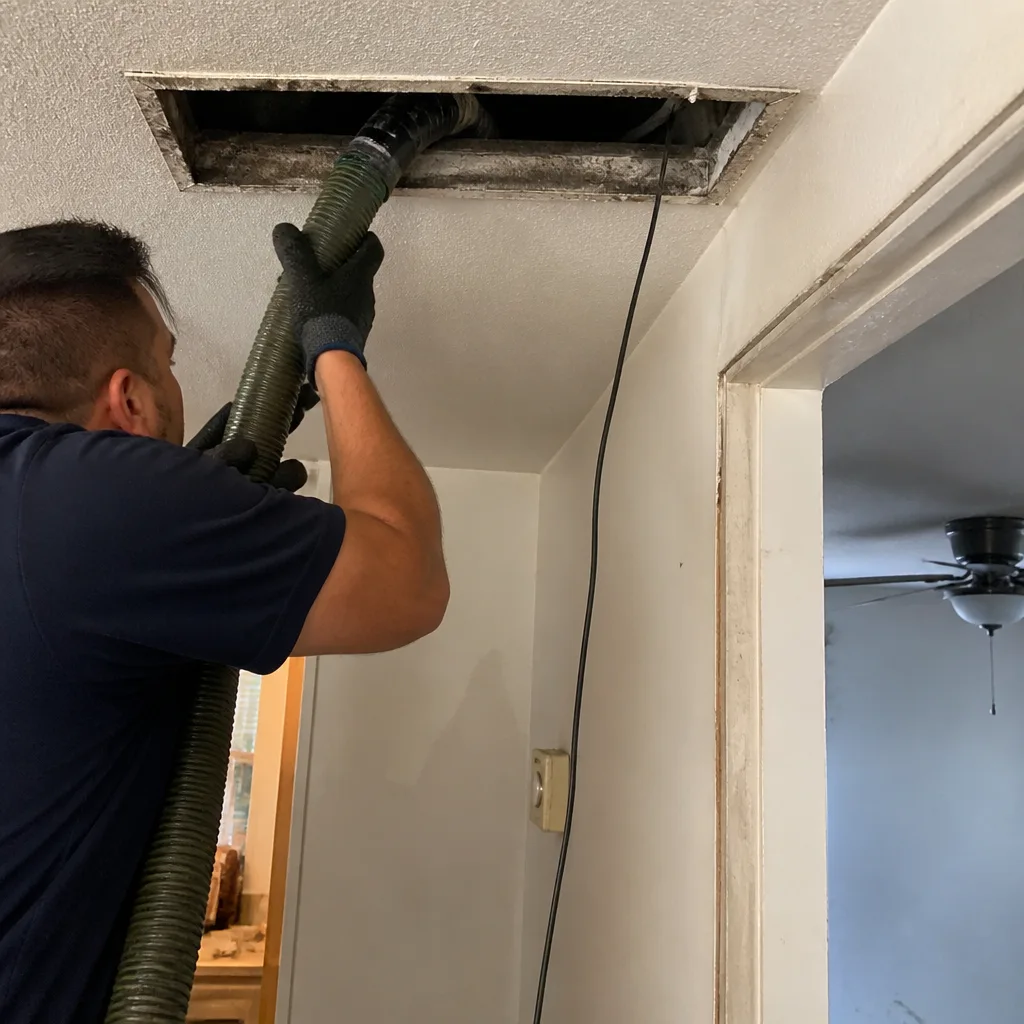 Before
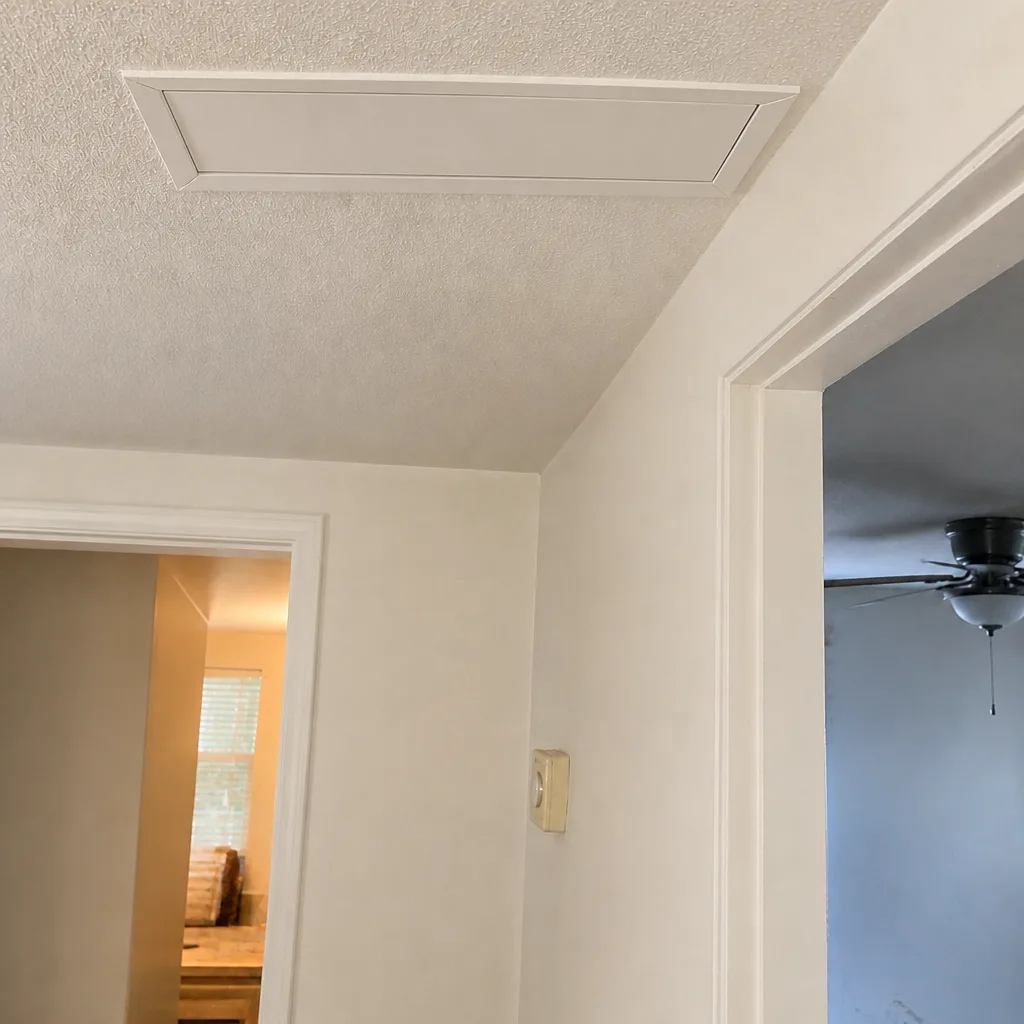 After
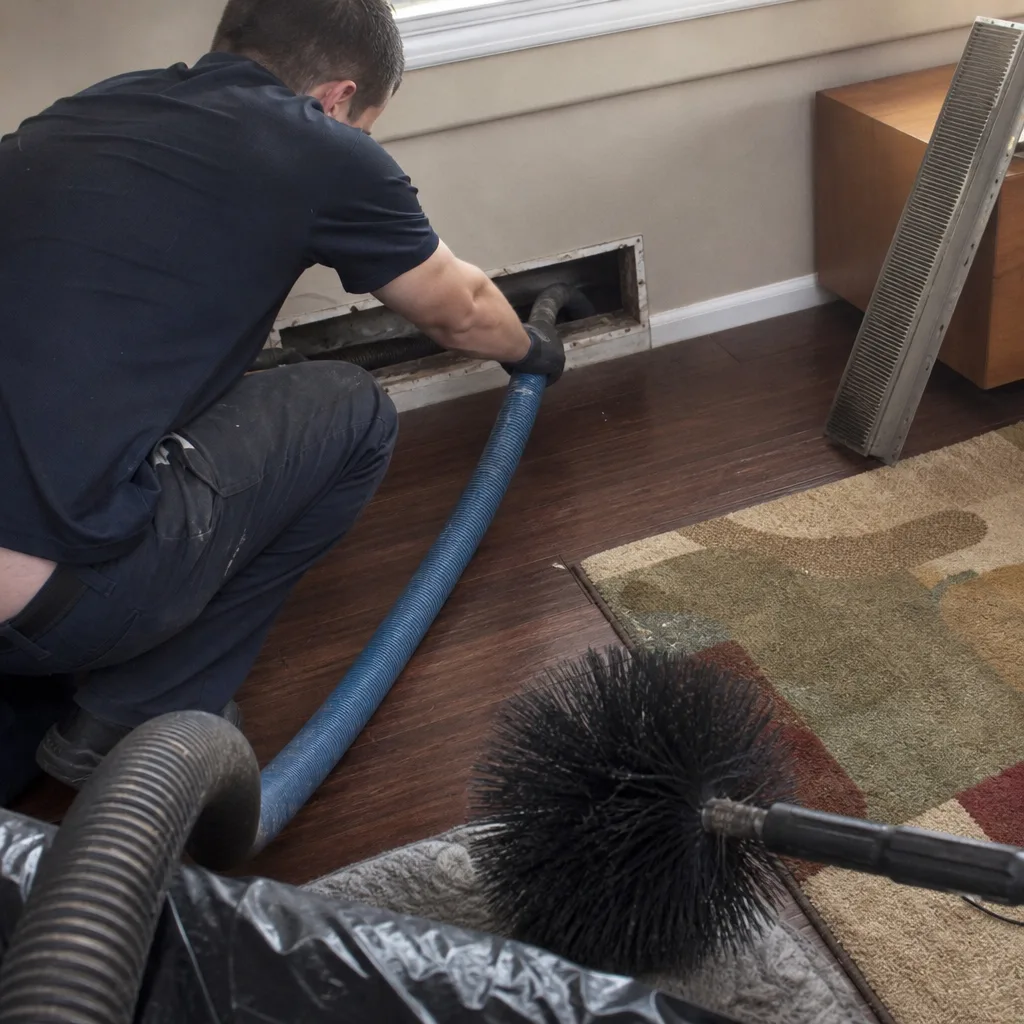 Before
 After
 Before
 After
When to Call a Professional
Some things a homeowner can handle. A filter swap is a filter swap. But once the question moves inside the ductwork, the equipment and skill level change, and so does the risk of a job done wrong. Call a professional when you see visible debris blowing from registers, when the system has had water intrusion, when there’s been pest activity, when a renovation filled the house with construction dust, or when an HVAC technician has identified restricted ductwork behind repeated airflow problems. Also call when you’re buying a Renton home with unknown duct history and want a baseline assessment before you move in.
If you’ve been quoted a price without any questions about your home, that’s not a quote you can compare. Renton Air Duct Cleaning Pros offers free estimates in Renton – call (888) 423-4218. We don’t quote before we’ve asked about your system, and the written estimate sets the final price.
Frequently Asked Questions
Air duct cleaning in Renton typically ranges from around $400 to $900 for a whole-house job, depending on square footage, register and return count, and whether the HVAC unit’s blower and coil are included. Dryer vent cleaning, sanitizing, and duct repair or sealing are separate line items. The written estimate sets the final price, and it should reflect your home’s actual configuration rather than a fixed national figure. Call (888) 423-4218 for an exact quote – estimates are free.
Because the scope is smaller. A $99 or $199 quote often covers only part of the system, skips the return side, uses a shop vac instead of Rotobrush or Nikro equipment, and doesn’t include containment or post-job verification. The math only works if the technician is out in under 90 minutes, which isn’t enough to properly clean a typical Renton home. Ask what the quote actually covers before comparing it to a full-scope estimate. Call (888) 423-4218 for a like-for-like comparison.
Before-and-after photos taken from inside the ductwork are the simplest form of verification. Ask any contractor before booking whether they provide them. A contractor who follows the ACR standard also has a defined completion benchmark they’re being measured against, which is why NADCA membership matters. If a company can’t show you what they found and what they left behind, you have no way to know the work happened inside your system. Call (888) 423-4218 and we’ll walk you through what a verifiable scope includes.
For most Renton homes, duct cleaning doesn’t need to happen on a fixed schedule. Cleaning is indicated when there’s a specific condition to address, like visible debris discharge, water intrusion, pest activity, recent renovation dust, or airflow problems traced to the ductwork. A well-maintained system in a home with good filtration can go many years between cleanings. If a contractor tells you annual cleaning is required regardless of condition, get a second opinion. Call (888) 423-4218 for an assessment based on your system, not a calendar.
Washington doesn’t have a state-specific license for indoor air quality or air duct cleaning work, so licensing isn’t the credential to check. The credential that matters is NADCA membership and ACR standard compliance, both verifiable through NADCA’s directory. A contractor who’s a NADCA member has committed to a defined standard voluntarily, which is a stronger signal than any state license would be in a field without one. Ask for the credential and verify it. Call (888) 423-4218 if you’d like to discuss what to check before booking.
Yes, when the contractor offers repair and sealing as a core service rather than a referral. Compromised ductwork – disconnected joints, crushed flex sections, leaky seams – often turns up during cleaning, and leaving it for a second vendor means another call, another quote, and probably another delay. Ask before booking whether the same crew handles both. Call (888) 423-4218 – we offer duct repair and sealing as part of the same visit when the condition warrants it.
The Bottom Line
Hiring duct cleaning in Renton comes down to a filter you can apply in fifteen minutes of phone calls. Ask about equipment first. Rotobrush, Nikro, and Abatement Technologies units are named, verifiable, and purpose-built. If a contractor can’t name theirs, you’ve learned what you needed to know. Ask about NADCA membership and check the directory. Ask what the scope document covers, line by line, and make sure it names access points, both supply and return, HVAC component cleaning, and post-job verification. Then compare two bids against each other’s scope, not just against each other’s bottom line. When you do, the real work is easier to spot. So is the sales pitch. See Renton Air Duct Cleaning Pros for the services we offer, and call (888) 423-4218 for a free estimate. We answer 24/7. Fast dispatch from 7am to 7pm, Sunday through Friday.
Written by the team at Renton Air Duct Cleaning Pros.