
Last updated November 25, 2026
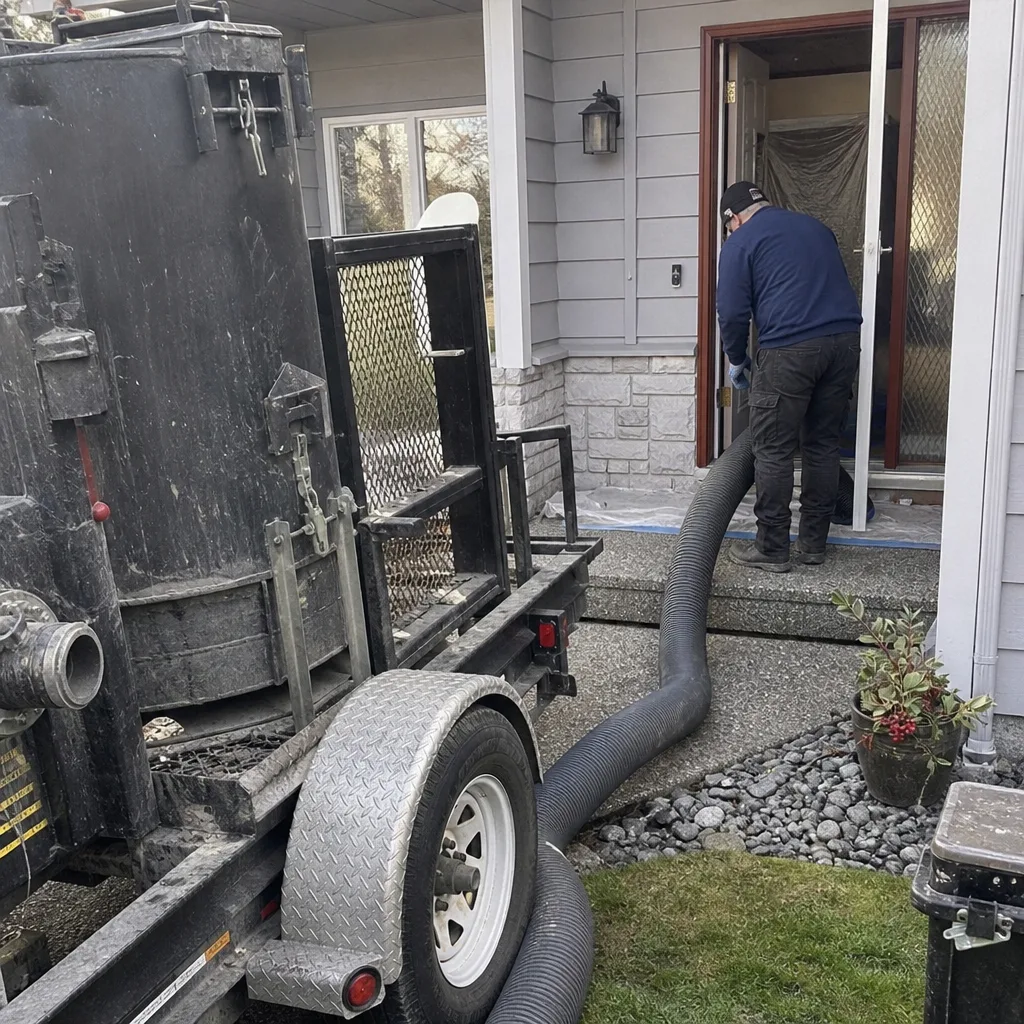
 Whole-home duct cleaning
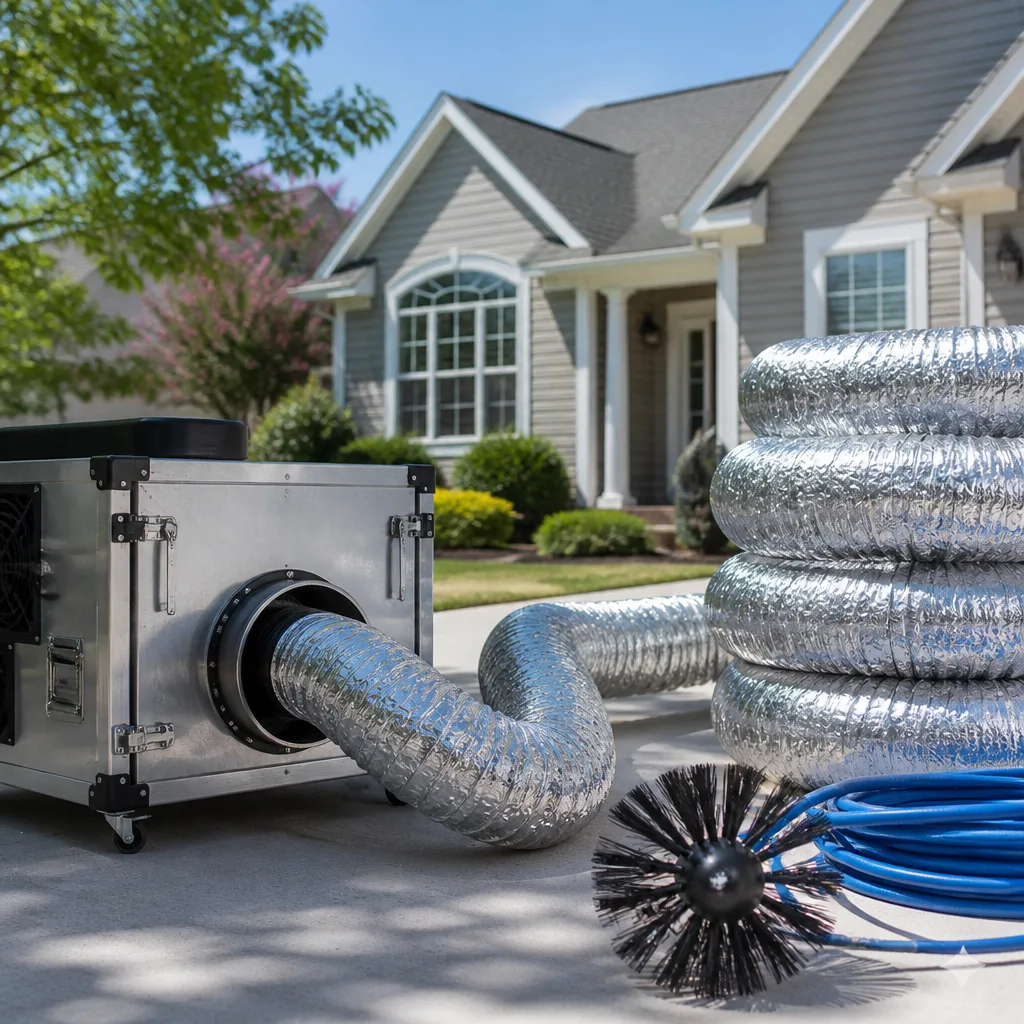
 Dryer vent cleaning
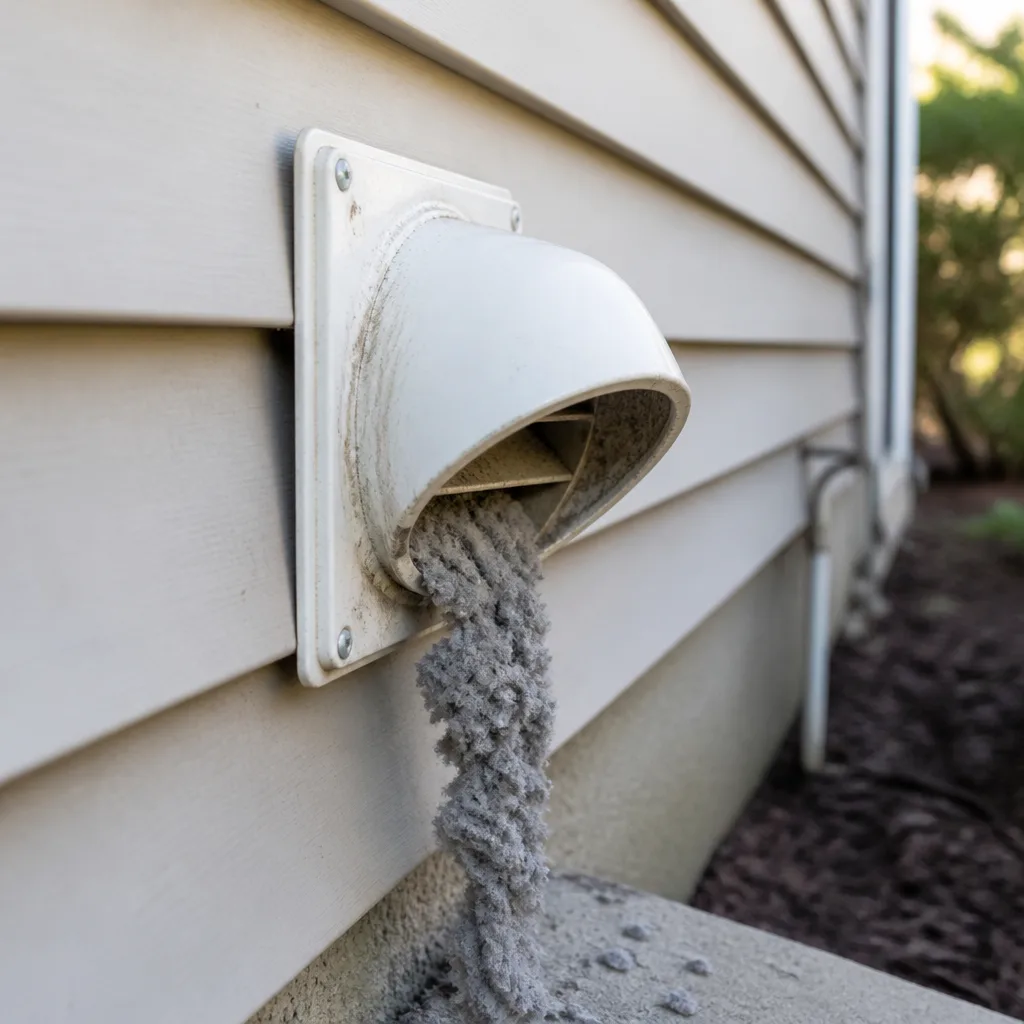
 Camera inspection
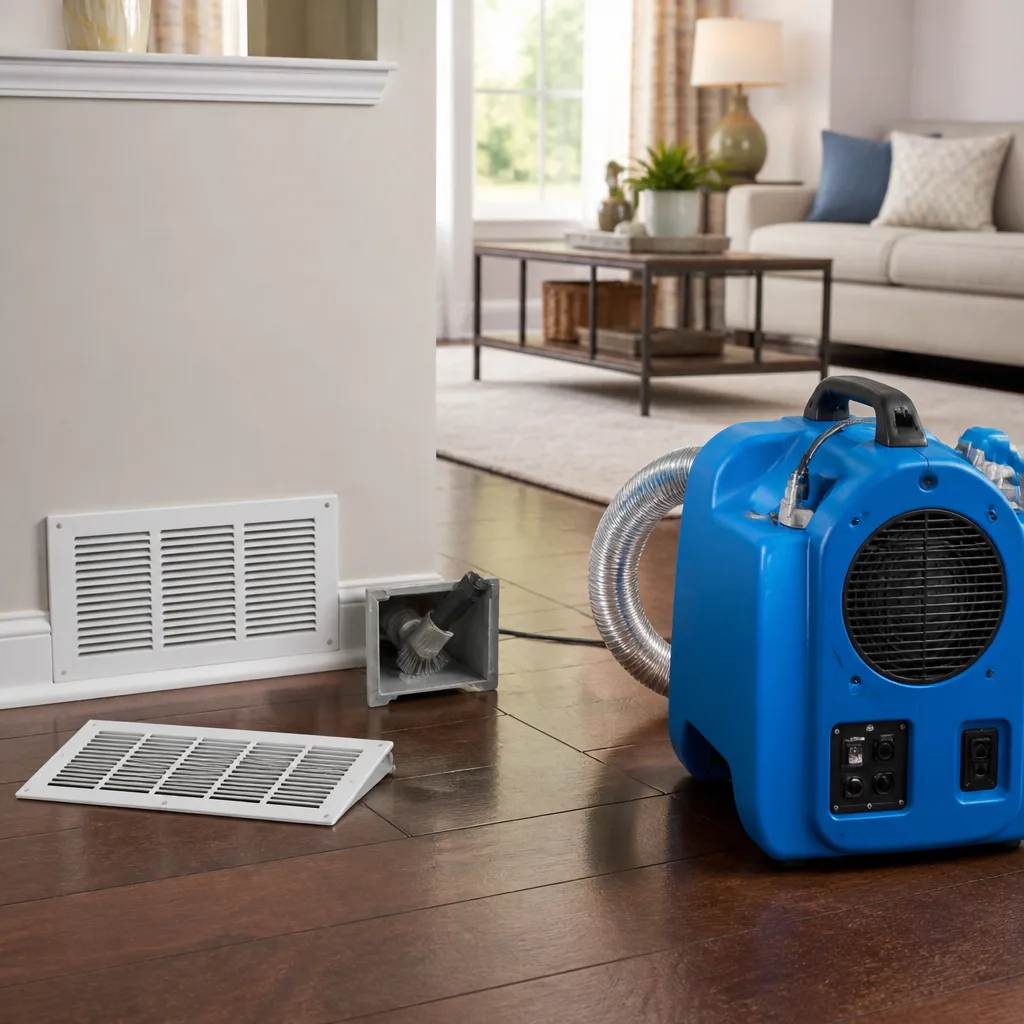 Sanitizing & deodorizing
Whole-system duct and dryer vent check with before-and-after photos - you see exactly what came out of your vents
That "$99 whole-house special" is a bait ad - the real number appears once they are in your hallway, or the "clean" is a shop-vac at the register. We photograph the inside of your ducts before and after instead.
Air Duct Cleaning Emergency Preparedness Guide for Renton Homes
Most homeowners think of duct cleaning as routine maintenance, something to get around to eventually. The more useful way to think about it is as recovery work. When wildfire smoke settles over the valley, when the Cedar River floods its banks, or when the ground shakes, your ducts become the place where the problem hides. The particles, the moisture, the damage – it all collects inside a system you can’t see. This guide walks through how to prepare your ducts before an emergency hits and what to do in the hours and weeks after. You’ll get a pre-season checklist, a post-event inspection protocol, and the documentation steps that make an insurance claim go smoothly. If you live in Renton, the hazards are specific, and so is the plan.
Quick Answer
Air duct emergency preparedness in Renton means three things: sealing and upgrading your return-side filtration before wildfire season, knowing the 48-hour window to act after water contacts ductwork, and documenting your system’s condition before anything happens so an insurance claim isn’t a fight. After smoke, flood, or seismic events, the duct interior can hold contaminants long after outdoor air clears. A professional inspection tells you whether particles reached the duct interior or stayed in the filter and coil zone, and that distinction drives the whole response.
Styles & brands we work with
- Whole-home duct cleaning
- Dryer vent cleaning
- Camera inspection
- Sanitizing & deodorizing
Table of Contents
- Why Renton Homes Face Specific Duct Emergencies
- Pre-Wildfire-Season Protocol: Sealing and Filter Upgrades
- Post-Smoke-Event Inspection Checklist
- Flood and Moisture Emergency: The First 48 Hours
- Post-Seismic Duct Inspection Without Opening the System
- How to Document Duct Condition for Insurance
- What Happens When Repair Is Needed Mid-Clean
- Common Mistakes to Avoid
Why Renton Homes Face Specific Duct Emergencies
Renton sits in a spot that stacks several hazards on top of each other. The city lies downwind of the wildfire corridors that send smoke into Puget Sound during dry summers. It sits in a seismic zone, where the ground can move enough to stress flexible duct connections and plenum joints. And the Cedar River runs through the city, which means flood risk is real in the low-lying neighborhoods near the river corridor. Each of these events sends a different kind of contamination into your ducts.
Wildfire smoke carries fine particulate matter that a forced-air system pulls in through the return side. When the smoke clears outside, the duct interior can keep releasing trapped particles for weeks. Flooding introduces moisture, which starts a mold colonization clock that runs in hours, not days. A significant earthquake can crack duct seals and pull flex connections loose, opening pathways for unconditioned air and attic dust. In Renton, the housing stock varies too. Older homes near the downtown core may have original rigid ductwork with joints that have loosened over time, while newer construction in the Highlands tends toward flex duct with different failure points. Knowing which hazard applies to your home is the first step.
This matters because most homeowners plan for the visible part of an emergency: the smoke in the air, the water in the basement, the cracked drywall. The ductwork is invisible, and problems there go unnoticed until they show up as dust, musty smells, or higher energy bills months later. The goal of this guide is to move your ducts out of the invisible category.
Pre-Wildfire-Season Protocol: Sealing and Filter Upgrades
The right time to protect your ducts from wildfire smoke is before the smoke arrives. Once the air quality index climbs, you’re sealing windows and running your system on recirculate, but the ducts themselves are still the weak link. Here’s the protocol we recommend for Renton homeowners heading into summer.
- Upgrade your filter before smoke season, not during it. A higher-MERV filter captures more fine particulate, but your system has to be able to handle the airflow. Match the filter to your equipment, and change it right before the dry season starts.
- Seal the return side. The return ducts are where unfiltered air enters the system. Gaps at the return plenum or loose flex connections let smoke bypass the filter entirely. A professional inspection finds those gaps.
- Check door and window weatherstripping. Smoke finds the smallest openings. If your home envelope is leaky, the ducts aren’t the only path, but they’re the one you can control.
- Have your ducts cleaned and sealed before the season. A clean system has fewer surfaces for particles to cling to. Sealed ducts keep the particles out.
- Document the pre-season condition of your system. Photos of the duct interior before smoke season give you a baseline if you need to make an insurance claim later.
If you already have a Honeywell or Aprilaire filtration system or humidifier, the cleaning should be matched to that equipment so the components aren’t disturbed. We work with both product lines regularly and can clean around existing IAQ equipment rather than treating it as a stumbling block. See what’s inside your system before the season starts, not after. Scheduling air duct cleaning in early summer gives you the cleanest baseline going into fire season.
Post-Smoke-Event Inspection Checklist
Once the smoke clears, the question is whether the particulate matter stayed in the filter and coil zone or made it into the duct interior. That distinction determines how much work is needed. Here’s how to think about it.
The filter is the first line of defense. If your filter was in good shape and properly seated when the smoke arrived, most of the particulate stayed there. The coil zone is the second stop: fine particles that got past the filter can settle on the evaporator coil. The duct interior is the third stop, and that’s where the problem gets expensive if the contamination is widespread. A simple inspection with a camera scope answers the question quickly.
- Check the filter first. If it’s dark grey or black after the smoke event, that’s a good sign – most of the particulate stayed where it should. Replace it and move on.
- Look at the return grilles. Dark streaks around the return grille or a visible film inside the grille suggests smoke made it past the filter.
- Smell test. A smoky or acrid smell from the supply registers when the system runs is a strong indicator that particles are lodged in the duct interior.
- Check for dust plumes. If you see visible dust blowing from supply registers after the smoke clears, that’s a sign the ducts are releasing trapped particles.
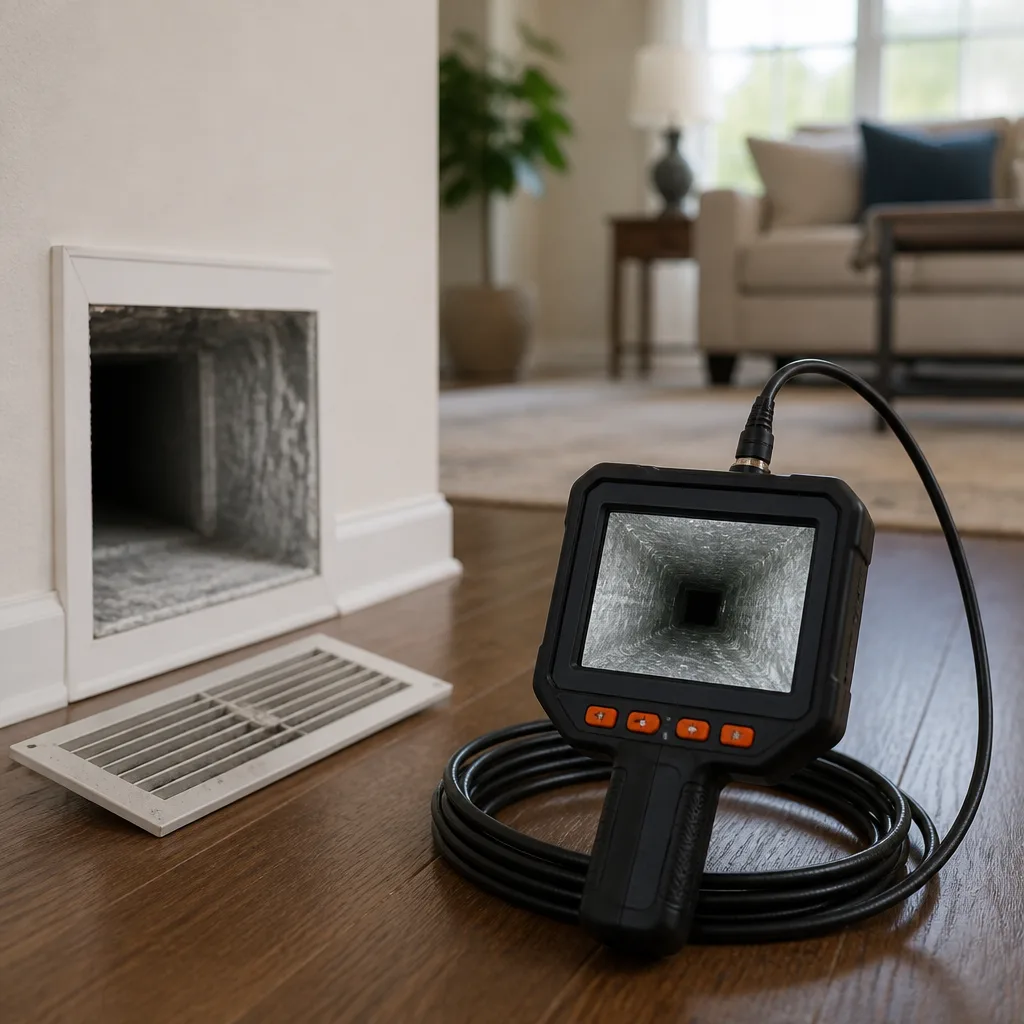
- Have a professional camera inspection done. The only reliable way to know is to look inside. We use professional-grade equipment from Rotobrush and Nikro to inspect and document duct interiors without guesswork.
If the inspection shows contamination in the duct interior, a full cleaning with proper negative-pressure containment is the right response. Abatement Technologies equipment lets us maintain negative pressure during the cleaning so dislodged particles don’t migrate into your living space.
Flood and Moisture Emergency: The First 48 Hours
If standing water has contacted your ductwork, the clock starts immediately. Mold colonization in a wet duct environment can begin within 24 to 48 hours, and once it takes hold, cleaning alone may not be enough. Here’s the protocol.
- Shut off the HVAC system. Running the system with water in the ducts spreads moisture and contaminants through the whole house. Turn it off until the ducts are dry and inspected.
- Document the water level. Take photos showing how high the water reached on the ductwork and the HVAC equipment. This is the most important documentation step for insurance.
- Get the water out. Extract standing water from the ductwork and surrounding area as quickly as possible. Every hour counts.
- Bring in drying equipment. Ducts need forced air drying, not just ambient air. A professional moisture assessment tells you whether the duct interior is dry enough to clean.
- Schedule a mold assessment before running the system again. If mold has colonized the ducts, cleaning with sanitizing treatment is the correct path. We use Guardsman-grade protection products in the sanitizing phase.
- Have the system inspected for damage. Water can degrade flex duct, corrode metal components, and compromise seals. Duct Repair & Sealing may be needed before the system is safe to run.
Homes near the Cedar River corridor and in low-lying parts of Renton face this scenario more than most. If you’re in one of those areas, having a documented duct condition before a flood event saves you an argument with your adjuster later. Air you can measure, not just feel – a post-flood moisture and air quality assessment tells you whether the remediation worked.
Post-Seismic Duct Inspection Without Opening the System
After a significant earthquake, the duct system can develop problems you can’t see. Flexible duct connections can pull loose, plenum joints can crack, and the system can start drawing attic dust or unconditioned air into your living space. You don’t have to open up the whole system to check for the most common issues. Here’s what to look for.
- Look at the visible connections. Flex duct connections at the plenum and at supply boots are the first place to check. A gap or a visibly separated connection is a sign of seismic stress.
- Check for new dust at supply registers. If you notice increased dust or visible particles coming from supply registers after the earthquake, a connection has likely opened up.
- Listen for new sounds. Whistling, rattling, or a change in airflow noise can indicate a loose connection or a damaged joint.
- Check for uneven airflow. If some rooms have strong airflow and others have almost none, a duct connection has likely come apart.
- Schedule a professional inspection. A camera inspection and pressure check tell you what’s happening inside the system without tearing into walls.
If the inspection finds damaged connections or cracked plenum joints, Duct Repair & Sealing is the next step. We offer it as an in-house service, which means if we find a problem during the post-seismic inspection, we can fix it on the same visit rather than sending you to a separate contractor. That matters in the weeks after an earthquake, when every contractor in Renton is booked out.
How to Document Duct Condition for Insurance
Insurance adjusters work from documentation, not from what you remember. If you want a claim for duct damage to go through, you need a record of what the system looked like before the event and what it looked like after. Here’s what adjusters actually ask for.
- Pre-event photos of the duct interior. A professional camera inspection with dated images gives you a baseline. Without it, the adjuster has no way to know what was normal before.
- Photos of the visible components. The supply registers, return grilles, plenum, and any visible duct runs should be photographed before and after the event.
- Documentation of maintenance history. If you’ve had your system cleaned, keep the records. It’s evidence that the system was in good condition before the event.
- Photos of water levels or damage. After a flood, photograph how high the water reached. After an earthquake, photograph any visible cracks or separated connections.
- A professional assessment report. A written report from a duct cleaning professional carries more weight than homeowner photos. It should describe what was found, what condition it was in, and what remediation is recommended.
This is one of the reasons we recommend a pre-season inspection for Renton homeowners. The documentation that comes from a routine inspection is the foundation of an insurance claim later. It’s also a good time to learn HVAC cleaning and how it fits into the larger picture of system health.
What Happens When Repair Is Needed Mid-Clean
A duct cleaning often turns into an inspection, and an inspection sometimes finds problems. It’s common to find failing seals, cracked joints, or loose flex connections during a post-emergency cleaning. Most duct cleaning companies clean around these problems and leave the repair to a separate contractor. We do it differently. Duct Repair & Sealing is one of our core services, so when we find a compromised duct during a cleaning, we can repair it on the same visit.
This saves the headache of coordinating between two contractors when your home is already in a disrupted state. After a flood or an earthquake, the last thing you want is to schedule a cleaning, then wait weeks for a separate repair contractor, then schedule a re-cleaning. Repair what we find, on the same visit, is a more practical path in the wake of an emergency. We use professional-grade equipment and negative-pressure containment throughout, so the repair doesn’t disturb the clean work that came before it. If your home has an existing Honeywell or Aprilaire IAQ system, we match the cleaning and repair work to that equipment so the components stay functional.
Common Mistakes to Avoid
- Running the system immediately after a smoke event. If the ducts are contaminated, running the system blows the particles back into your living space. Wait for an inspection.
- Ignoring a smoky smell from the registers. That smell is a sign that particles are lodged in the duct interior. It won’t clear up on its own.
- Skipping the documentation step. Without before-and-after photos, an insurance claim for duct damage is much harder to win. Most adjusters won’t pay without it.
- Assuming the filter caught everything. A filter captures what it’s rated for, but fine particulate can still get past. The return side is often where the bypass happens.
- Hiring a duct cleaner who doesn’t use negative-pressure containment. Without it, cleaning can redistribute contaminants rather than remove them. Abatement Technologies equipment is the standard for proper containment, and most residential cleaners skip it.
- Waiting to address water in the ducts. Mold colonization can start within 24 to 48 hours. Waiting a week is waiting too long.
- Overlooking the dryer vent. If your dryer vent has a lint buildup, an emergency cleanup of the duct system leaves this fire hazard untouched. Have it checked at the same time with dryer vent cleaning.
See the difference
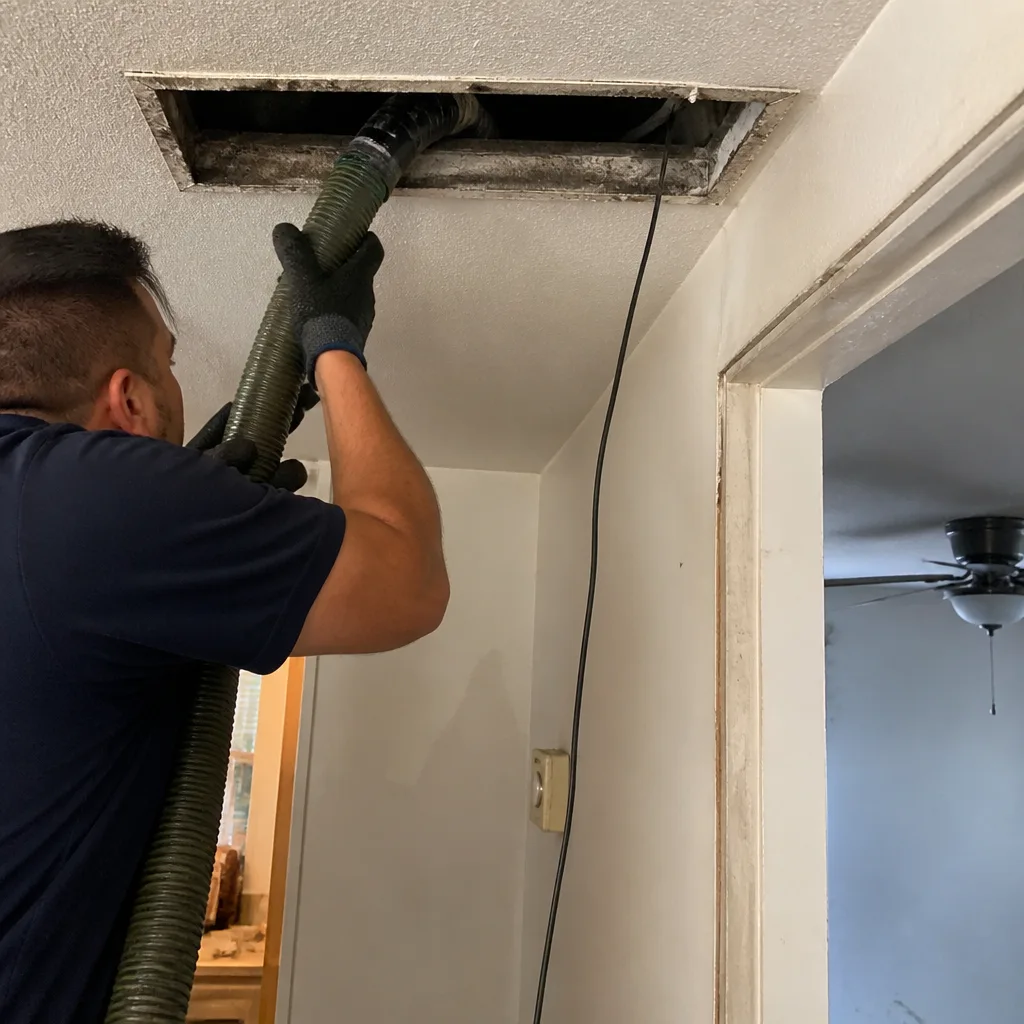 Before
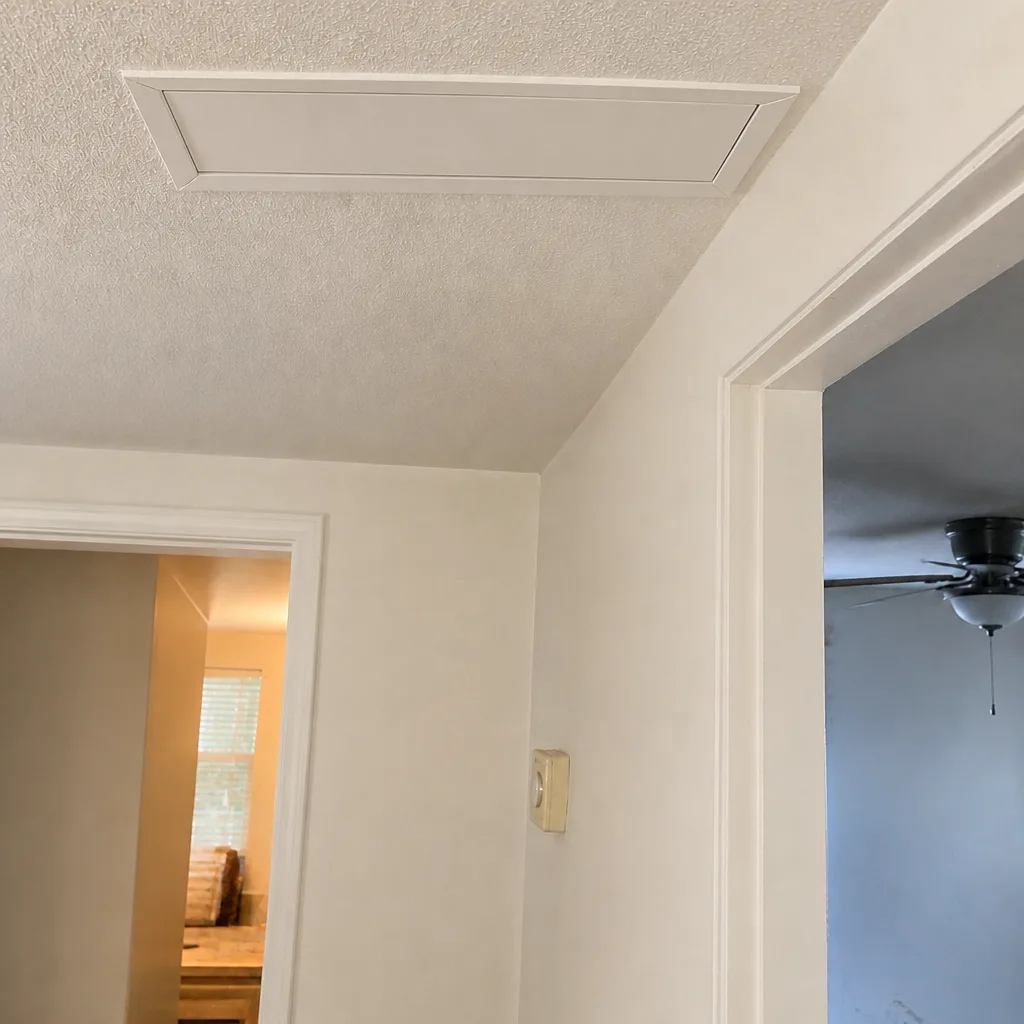 After
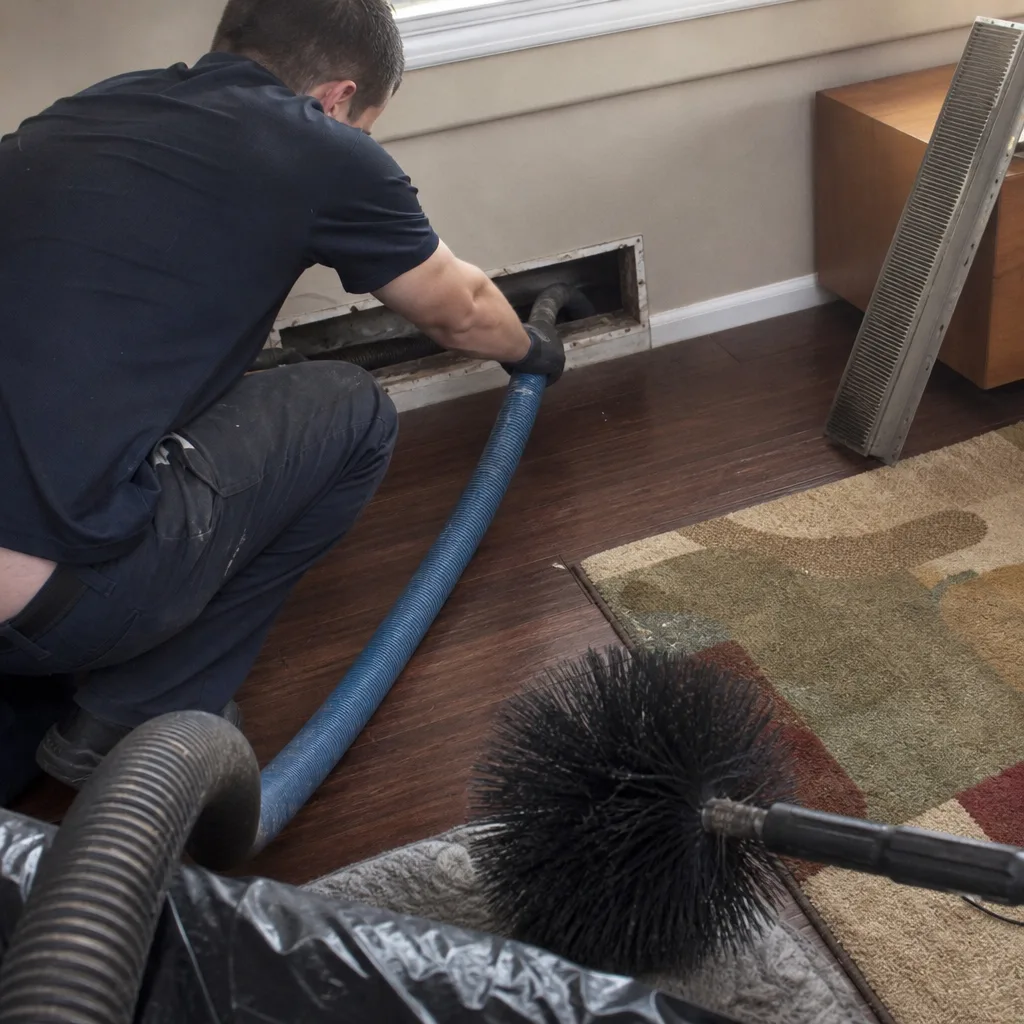 Before
 After
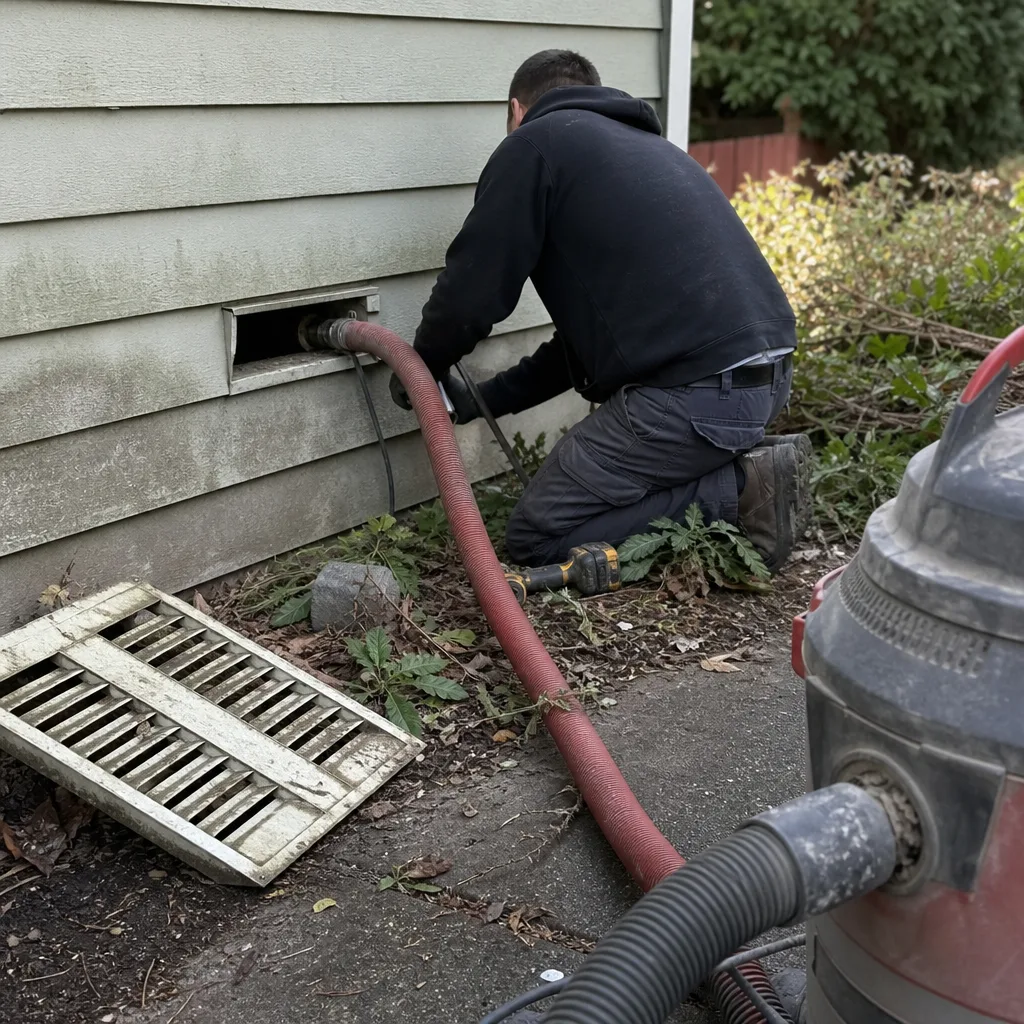 Before
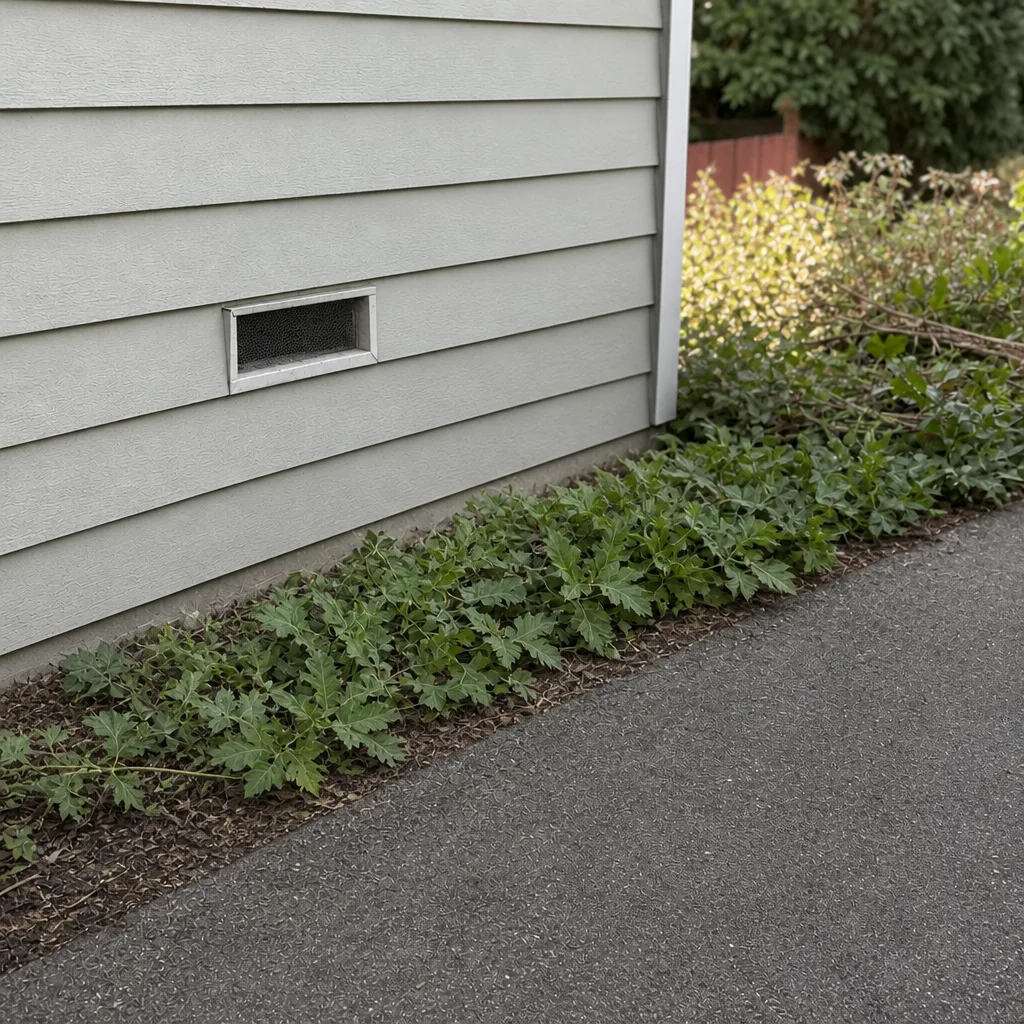 After
When to Call a Professional
Some post-emergency duct problems are clear: standing water in the ducts, visible smoke staining at the registers, a smoky smell that persists weeks after outdoor air clears, or visible duct damage after an earthquake. Other cases are less obvious, like a slow increase in dust or higher energy bills that point to a compromised duct system. In either case, a professional inspection tells you what’s actually happening inside. A homeowner with a camera scope can see the surface of the duct, but can’t assess the pressure integrity or check for contamination in the coil zone. When an emergency has occurred – flood, smoke, or seismic event – an inspection is the first step. Renton Air Duct Cleaning Pros offers free estimates in Renton. Call (888) 423-4218. We answer 24/7. Fast dispatch from 7am to 7pm, Sunday through Friday. We can also work with your insurer on documentation for a claim. Our technicians have up to 12 years of experience, and we use professional-grade equipment from Rotobrush and Nikro.
Frequently Asked Questions
Check the filter first: if it’s dark and loaded, most of the particulate stayed there. Then look at the return grilles for dark streaks, run the system and smell the supply registers, and check for visible dust plumes. If the smell or dust persists, a camera inspection is the only reliable way to know. Call (888) 423-4218 for a free estimate.
Mold colonization in a wet duct environment can begin within 24 to 48 hours. That’s the intervention window. If standing water has contacted your ductwork, shut off the system, extract the water, dry the ducts, and schedule a professional inspection before running the system again. Call (888) 423-4218 for a free estimate.
That means particles are lodged in the duct interior and the system is re-releasing them. This is common after a major wildfire smoke event, since the ducts trap particulate that the filter didn’t catch. A professional cleaning with negative-pressure containment is the right response. Call (888) 423-4218 for a free estimate.
We set a flat price per system based on the written estimate, and the estimate is free. That means you know the cost before any work starts, with no per-vent pricing surprises. Call (888) 423-4218. We answer 24/7. Fast dispatch from 7am to 7pm, Sunday through Friday.
Yes, and this is one of the most overlooked steps. Pre-event photos of the duct interior, the visible components, and a maintenance record are what adjusters need to approve an insurance claim after a flood or seismic event. A professional pre-season inspection produces that documentation. Call (888) 423-4218 for a free estimate.
Start with the visible connections at the plenum and supply boots, then check for new dust at registers, uneven airflow, or new rattling sounds. If any of those signs is present, a professional camera inspection will show you what’s happening inside without opening the system. Call (888) 423-4218 for a free estimate.
The Bottom Line
Renton’s hazard profile – wildfire smoke in the summer, flood risk from the Cedar River, seismic activity, and the duct contamination that follows all three – makes duct system preparedness a practical concern, not a theoretical one. The plan comes down to three steps: prepare your ducts before the season starts with filter upgrades and return-side sealing, act fast after a water event within the 48-hour window before mold takes hold, and document the system condition so an insurance claim isn’t a fight. Whether you need the full multi-point service or just an inspection, our team at Renton Air Duct Cleaning Pros is here to help. See what’s inside your system. We clean the whole air pathway, from the supply runs to the dryer vent. Call (888) 423-4218 for a free estimate. We answer 24/7. Fast dispatch from 7am to 7pm, Sunday through Friday.
Written by the team at Renton Air Duct Cleaning Pros.