
Last updated November 25, 2026
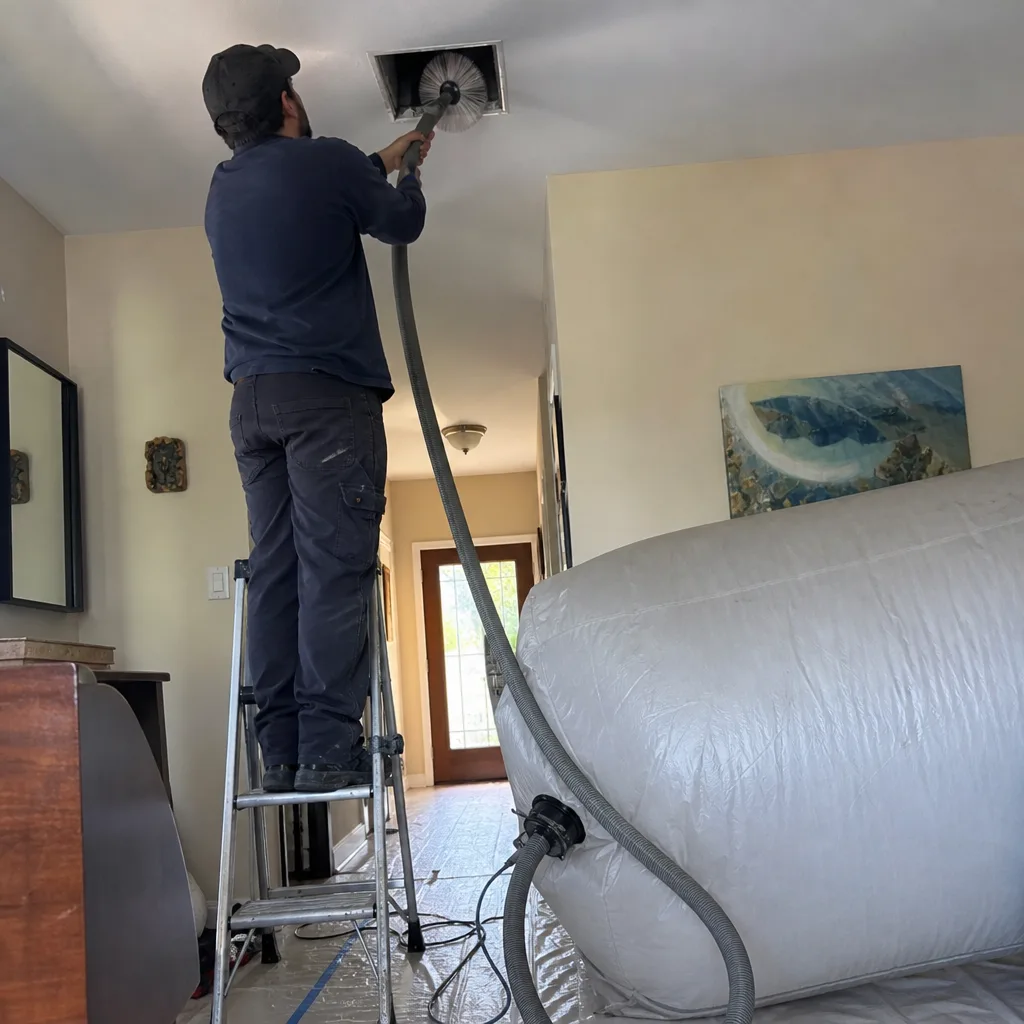
 Whole-home duct cleaning
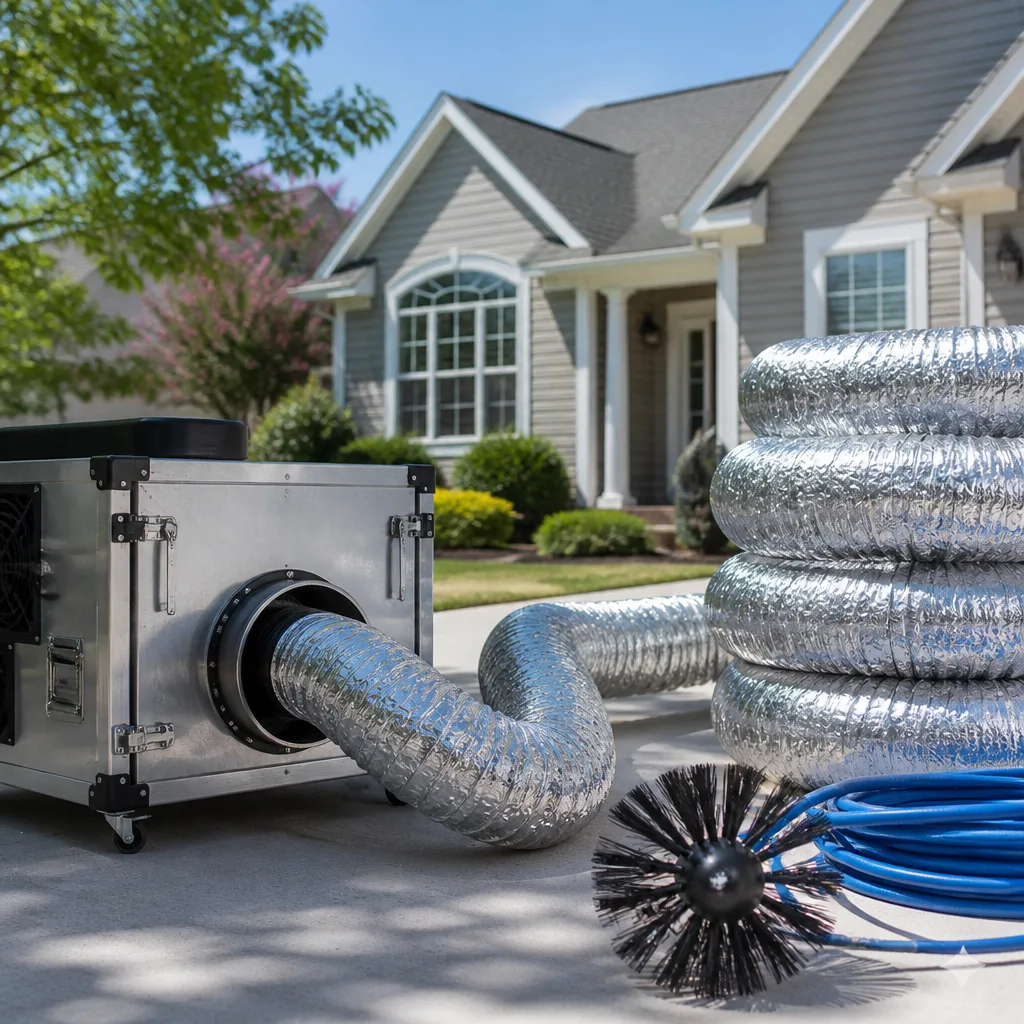
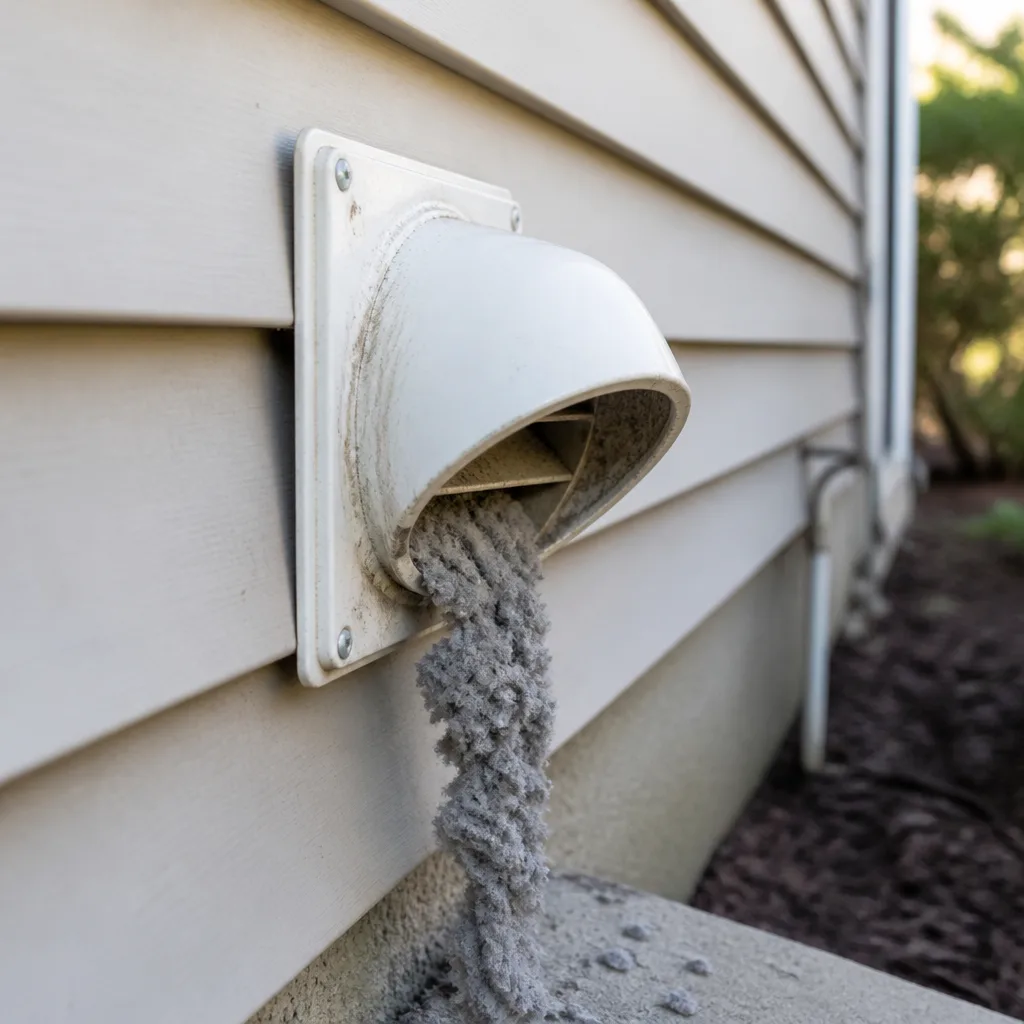 Dryer vent cleaning
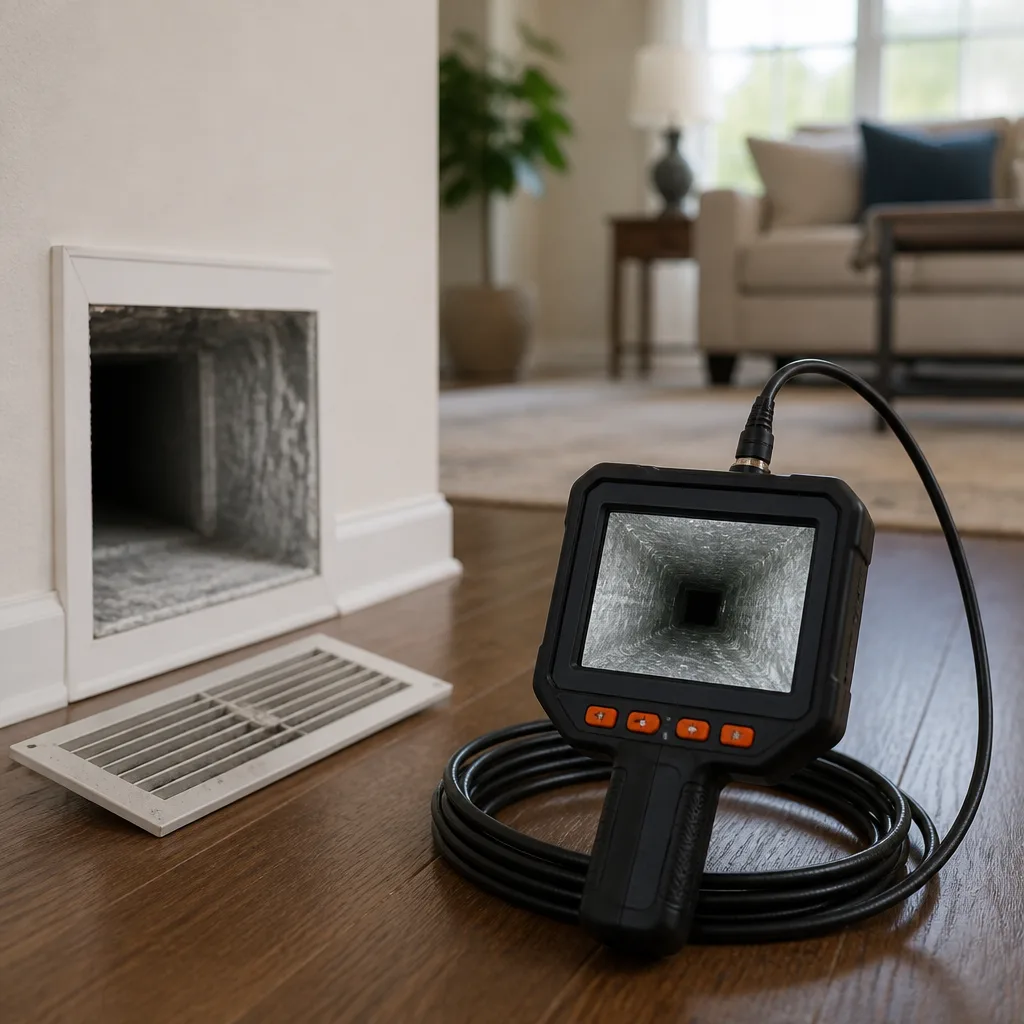 Camera inspection
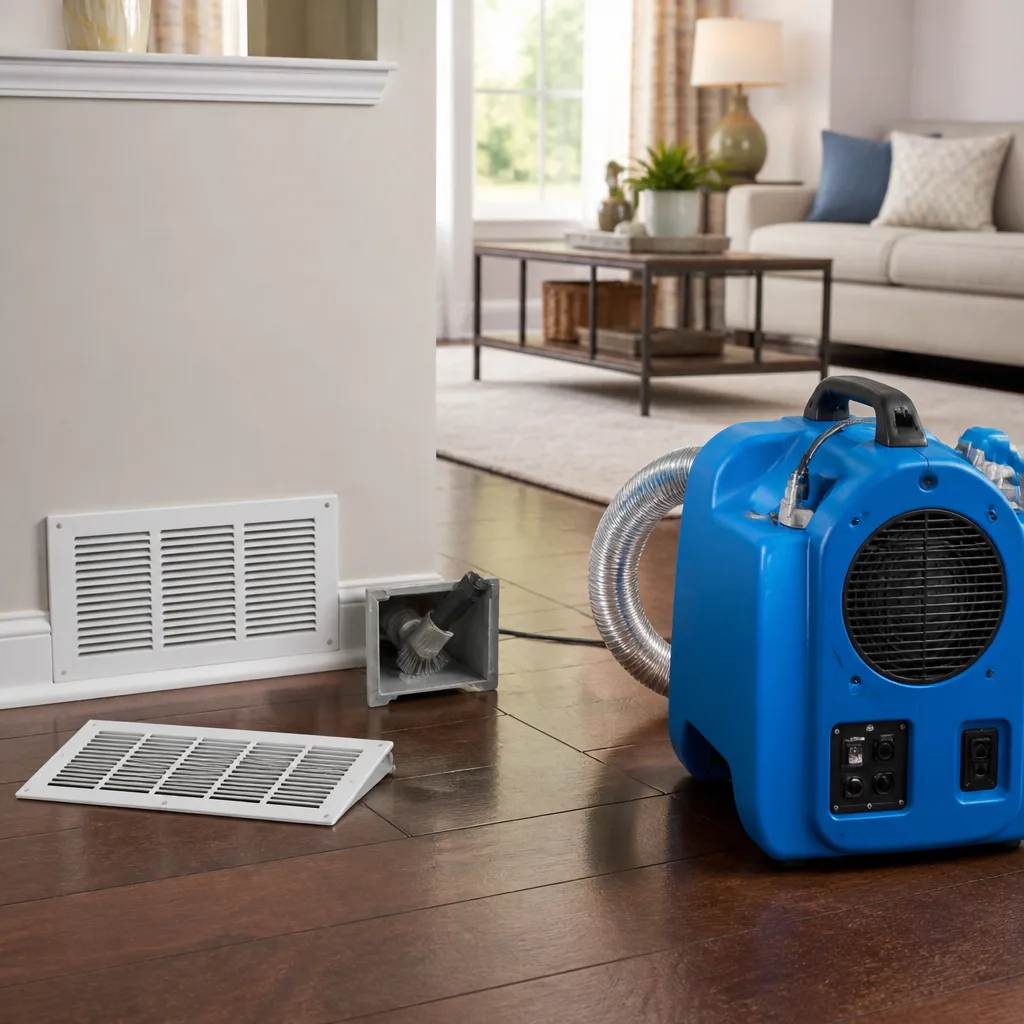 Sanitizing & deodorizing
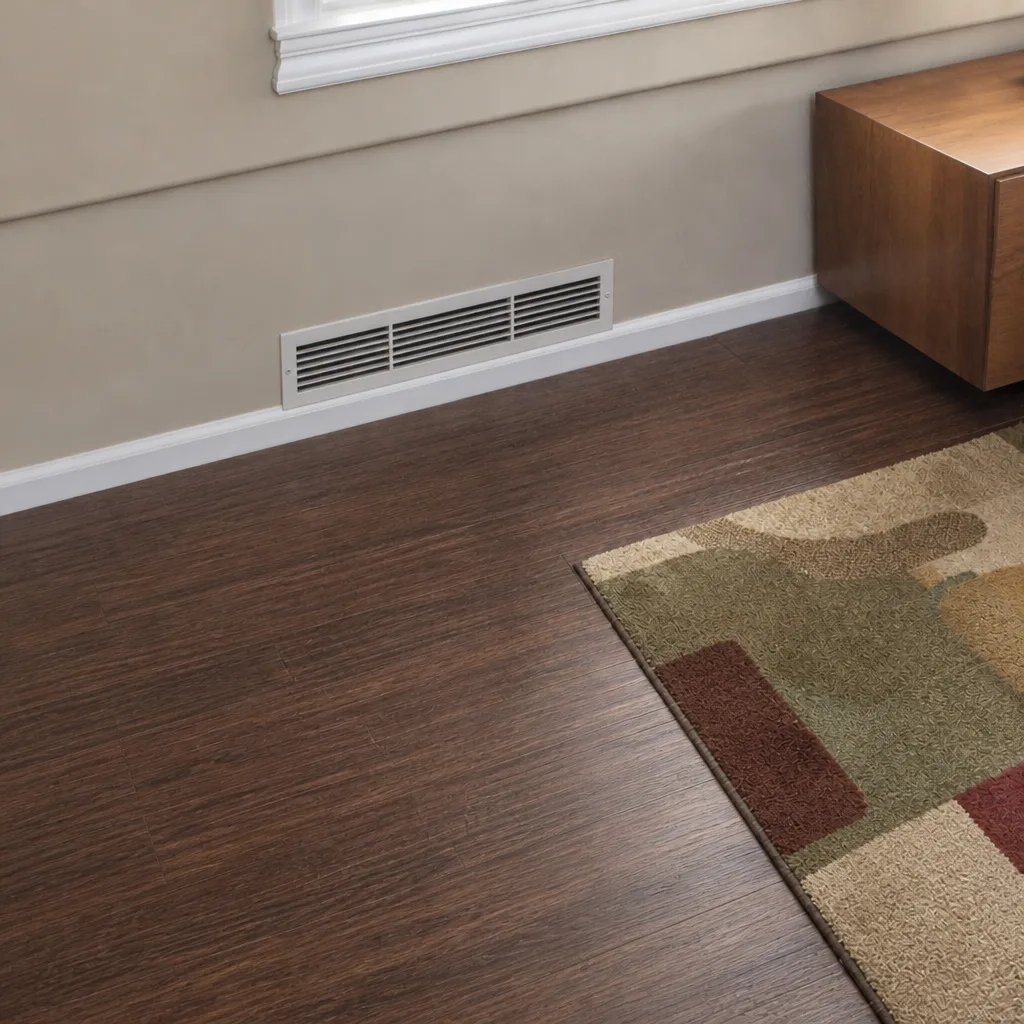
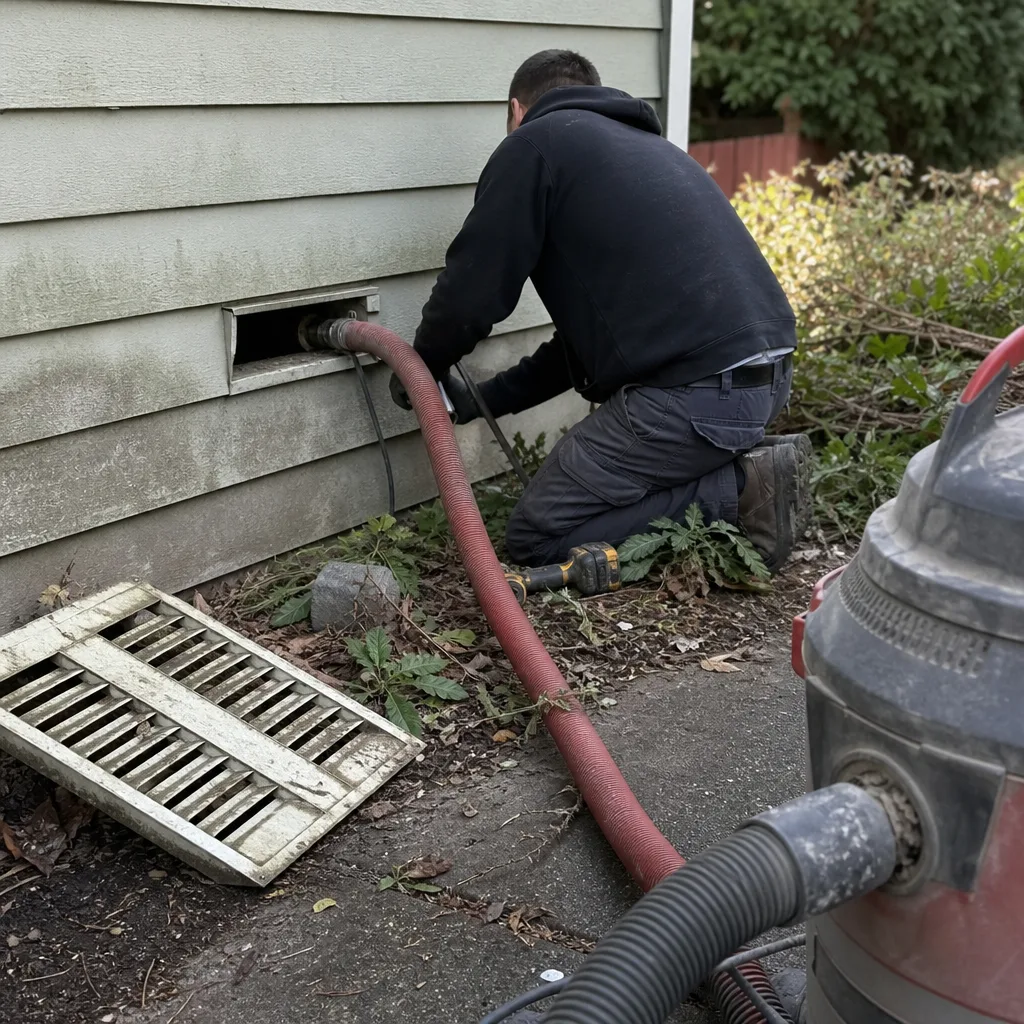
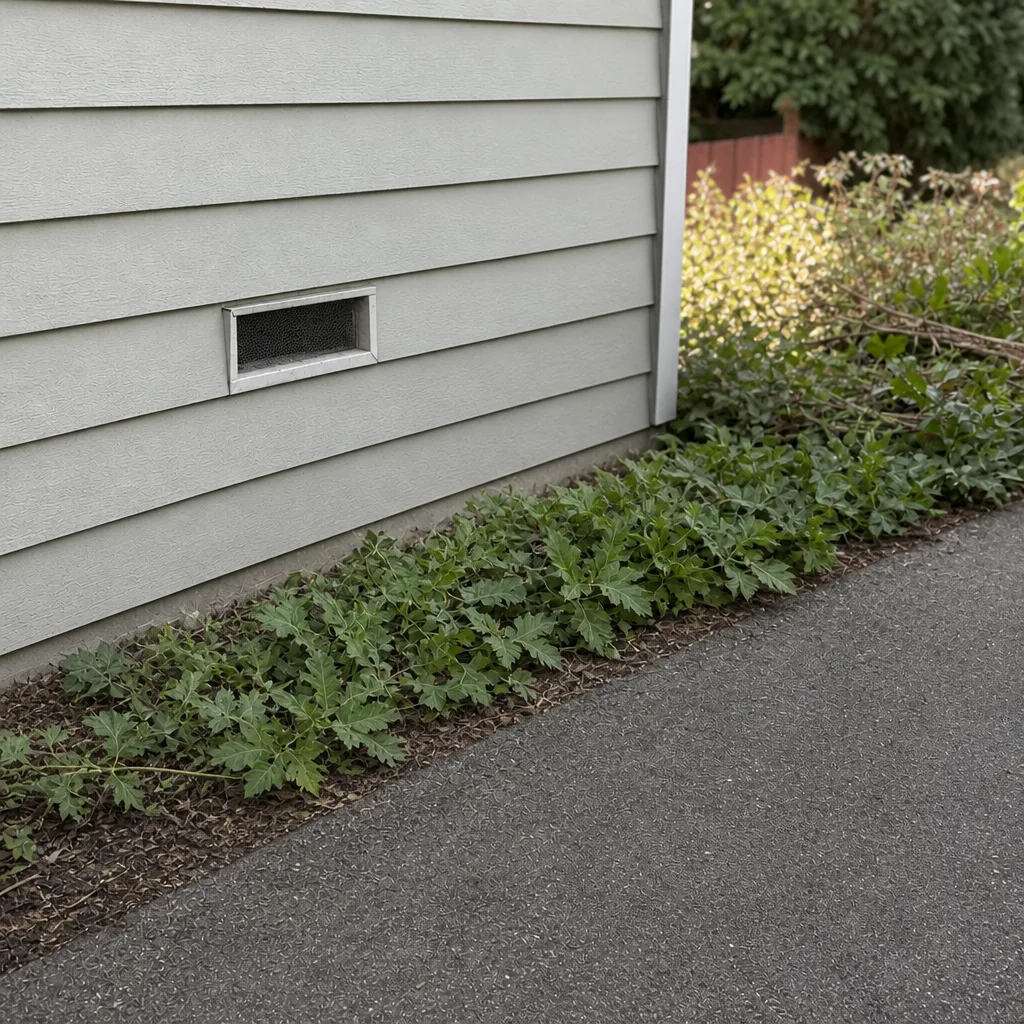
Whole-system duct and dryer vent check with before-and-after photos - you see exactly what came out of your vents
That "$99 whole-house special" is a bait ad - the real number appears once they are in your hallway, or the "clean" is a shop-vac at the register. We photograph the inside of your ducts before and after instead.
Air Duct Cleaning Permits, Codes & Inspections in Renton, WA: What You Need to Know
Here’s the part most homeowners miss: the cleaning itself usually doesn’t need a permit, but the discovery often does. When a technician opens up your duct system and finds mold growth, failed seals, or a compromised run that needs replacement, the job can cross into territory that Washington State and the City of Renton regulate. Most bargain crews are not set up for that boundary, and the liability lands on the person holding the title to the house. In this guide we’ll walk through what WAC 296-843 requires when mold turns up during a cleaning, when sealing work needs a mechanical permit, how Renton’s rental housing rules intersect with state law, and what proper documentation looks like if you ever need to file a claim. You’ll leave with a clear picture of the scope of a cleaning contractor versus a licensed HVAC contractor, and enough to ask the right questions before anyone starts working on the ducts in your Renton home.
Quick Answer
Standard air duct cleaning in Renton does not require a Washington State permit. However, if the cleaning triggers duct modification, component replacement, mold remediation beyond surface cleaning, or anything touching the mechanical ventilation system, you may need a mechanical permit under the Washington State Mechanical Code, and any mold remediation must follow WAC 296-843 documentation, containment, and disposal rules. Hiring a mechanical contractor for HVAC alteration is a separate credential from a cleaning contractor’s scope.
Styles & brands we work with
- Whole-home duct cleaning
- Dryer vent cleaning
- Camera inspection
- Sanitizing & deodorizing
Table of Contents
- What Washington’s Indoor Mold and Moisture rules require
- When duct sealing crosses into a mechanical permit
- How Renton’s municipal code intersects with state requirements
- Chain-of-custody documentation for debris removal
- Cleaning contractor vs. licensed HVAC contractor
- What an inspection should actually cover
- Why equipment standards matter for compliance
What Washington’s Indoor Mold and Moisture rules require when mold is found during cleaning
Washington State does not regulate ordinary duct cleaning as a hazardous activity, but the moment actual mold growth is discovered inside the system, WAC 296-843 comes into play. That rule covers hazardous materials handling, and while most of its focus is on workplace safety for people who disturb the material, the practical spillover for a homeowner is straightforward: the work needs to be documented, contained, and cleaned up in a way that can be verified. A crew that offers to “just spray it and move on” with a hand-held pump sprayer isn’t operating inside that framework.
What this looks like in practice:
- Documentation before disturbance. Photos of the mold-affected sections before any tool touches the duct. This becomes the baseline if an insurance claim or tenant dispute surfaces later.
- Containment. On systems with real growth, negative-pressure containment keeps spores from migrating into the rest of the house during cleaning. This is where air duct cleaning and remediation diverge sharply from a quick vacuuming.
- Disposal. Contaminated porous components (flex duct, damaged insulation board) are meant to come out of the house in sealed bags, not dropped in the homeowner’s garbage can.
- A written report. What was found, where it was found, what was removed, what was treated, and what remains.
We use Abatement Technologies negative-pressure equipment specifically because mold jobs inside a Renton home are not the place for a compromise. If a technician finds growth and offers to handle it on the spot without any paperwork or containment plan, that’s a signal to stop and ask questions rather than a sign of efficiency.
When duct modification or sealing crosses into a mechanical permit under the Washington State Mechanical Code
The Washington State Mechanical Code governs the installation, alteration, repair, and replacement of mechanical systems, and that includes portions of the duct system. Cleaning does not fall under it. But the moment the work moves from cleaning into altering the system’s design, you can cross a line. Here’s a working map of the difference:
- Cleaning only. Removing debris from already-installed ducts. No permit. No alteration to the configuration.
- Minor repair. Re-taping a failed joint, resealing a loose boot at a register, re-attaching a sagging run to a joist hanger. Generally no permit.
- Duct sealing as an energy measure. Sealing seams with mastic or approved tape through accessible sections is usually considered maintenance. But the standards and any applicable local program rules should be checked, and a good crew will tell you when they’re near the boundary.
- Modification. Adding a new run, removing a run, resizing trunk lines, relocating a register, or changing the system’s static pressure profile. This is alteration of a mechanical system and typically requires a mechanical permit and a licensed mechanical contractor.
- Component replacement. Swapping out or installing new inline dampers, motorized zone dampers, or the air handler itself is squarely in mechanical contractor territory.
What this means for a Renton homeowner is simple: ask before work begins whether the scope includes anything in categories 4 or 5. If it does, a separate mechanical contractor and possibly a permit are required. We do our best to keep our scope in categories 1 through 3, and we’ll tell you when what we found falls outside it. Ask your city’s building department for the current fee schedule and inspection steps if you’re not sure whether your project crosses the line.
How Renton’s municipal code intersects with state requirements for HVAC work in rentals
Renton has a substantial rental housing stock, and property managers cleaning ducts between tenants face a second layer of rules on top of the state code. The Washington Residential Landlord-Tenant Act sets habitability requirements that touch ventilation and moisture control. Local rental registration and inspection programs in Renton, where applicable, can require that property managers keep records showing the system is functional and reasonably clean. That means the cleaning report itself has value beyond the day of service.
For a property manager, the practical checklist looks like this:
- Keep the cleaning report on file with the unit’s maintenance history, not just in a general job folder.
- Document any mold discovery separately, with photos and the containment approach used.
- If the cleaning finds a problem that requires a permit, note the required next step in the file so it isn’t forgotten between turnovers.
- Confirm which credential each contractor on the job holds before the work starts, so the file reflects who did what.
A tenant complaint about dust or air quality after a cleaning is a lot easier to resolve when the paperwork is clear. In our experience in Renton, the properties with the smoothest turnarounds are the ones where the manager treats documentation as part of the job rather than an afterthought. That’s also true for owners of single-family homes who may someday file a claim: insurance carriers want to see what was done, not just that something was done.
What proper chain-of-custody documentation looks like for debris removal (and why it matters)
Chain of custody is a term most homeowners associate with legal cases, but it applies here in a simpler way: it’s the record that shows what came out of your system, where it went, and who handled it. When mold-contaminated material leaves the house, you want that trail. When a routine cleaning pulls ten pounds of construction debris from a return trunk because the original builder left it there, you want a photo and a note. Otherwise, you have no defense if a claim is filed or a tenant disputes the condition of the unit.
A reasonable chain looks like:
- Pre-work photos of the accessible duct interiors at the registers and inside the return plenum.
- Notes on what was removed (type and approximate quantity).
- Photo documentation of the work in progress, including any blades, whips, or negative-pressure equipment in use.
- Post-work photos of the same access points, showing condition after cleaning.
- Sign-off on the final report by the crew chief and the customer, with the date and system details.
If contaminated material was removed, the bagging and disposal record belongs in the same file. For a homeowner looking at an insurance claim, or a property manager defending a tenant complaint, this file is what gets you from “we think it was cleaned” to “here’s what was in the system, here’s what we removed, here’s the condition we left it in.” When we finish a job in Renton, the before-and-after photos you get are of your own ducts, not a stock gallery from a marketing brochure.
The distinction between a cleaning contractor’s scope and a licensed HVAC contractor’s scope
Washington State does not have a standalone “duct cleaning” license. The work is typically performed under a general or specialty contractor registration, and the cleaning process itself is unregulated beyond general business and safety rules. Licensed mechanical contractors hold a separate Washington credential that allows them to install, alter, and repair HVAC systems. This gap is where some crews quietly drift into work they aren’t credentialed for, and the homeowner is the one holding the bag when the system fails an inspection or the work is called into question during a home sale.
Here’s a plain-language split:
- Cleaning contractor scope: debris removal from supply and return ducts, coils, blower compartment, plenum, and dryer vent, plus surface cleaning of accessible components. This is air duct cleaning and dryer vent cleaning territory.
- Licensed HVAC contractor scope: installing or replacing equipment, altering duct system design, adding or removing runs, working on gas connections, electrical connections to the air handler, and any work that requires a mechanical permit.
- Overlap: replacing a filter is cleaning-scope. Replacing a clogged evaporator coil is HVAC scope. Sealing a leaking seam is cleaning-scope. Cutting a new return is HVAC scope.
Our technicians have up to 12 years of experience, and much of that experience has been spent learning where the line sits. When we find something on the HVAC scope side during a HVAC cleaning visit, we tell you so and point you toward the right credential. The same applies when we offer duct repair and sealing as a same-visit service: we stick to the repairs that fall inside our scope and let a licensed mechanical contractor handle the rest.
What a proper post-cleaning inspection should actually cover
An inspection isn’t a look-around. It’s a documented verification that the cleaning achieved what it was supposed to. If your crew hands you a report with a single line item and a price, that’s a summary, not an inspection. Here’s what a proper one includes on a Renton home:
- Photo record of every accessible register before and after cleaning.
- Photo of the inside of the return plenum and the supply trunk before and after.
- Confirmation that the blower compartment and accessible coil surface were checked and cleaned if needed.
- Notes on any failed seals, sagging flex runs, or unsealed joints found during inspection, with recommended follow-up.
- Confirmation that negative-pressure containment was maintained throughout the work if mold or heavy contamination was present.
- Verification that the dryer vent (if included in scope) has been cleared and the exterior termination flap moves freely.
- A written report signed off by the crew chief and provided to the homeowner same day.
Because we carry duct repair and sealing as a core service rather than an upsell, any issue surfaced during the inspection can usually be handled in the same visit. That matters for two reasons. First, it prevents the “come back next week with a bigger quote” pattern. Second, it keeps the documentation trail in one place instead of scattered across multiple vendors. When a problem falls outside our scope, the report should say so clearly, with the specific credential needed to fix it.
Why equipment standards matter for compliance and for what comes out of your system
The best documentation in the world can’t save a job done with a shop vac and a consumer brush kit. Compliance with mold-handling rules, containment of contamination, and any claim that a system has been cleaned to a defensible standard all depend on the tools on the truck. This is why we use Rotobrush and Nikro professional duct-cleaning systems rather than anything consumer-grade, and why Abatement Technologies equipment handles negative-pressure containment on jobs that need it. The right tools make the paperwork possible.
What professional-grade equipment gives you, from a compliance standpoint:
- HEPA filtration and negative-pressure setups that satisfy the containment requirement when mold is present.
- Rotary agitation that reaches the full duct length rather than the first few feet visible from the register.
- Video inspection capability, so the pre- and post-work condition of the system is documented rather than assumed.
- Controlled debris extraction into sealed collection, which is the front half of any chain-of-custody argument.
We also work with Honeywell and Aprilaire product lines, which matters more than it might sound when your home already has one of their filtration or humidification systems installed. Cleaning a system that has an inline media filter or humidifier without knowing how the equipment interacts with the duct layout is a recipe for missed debris or a call-back. Knowing what’s installed means the cleaning is matched to your actual configuration, not to a generic template. That’s what we mean when we say we clean the whole air pathway: supply, return, blower, coil, dryer vent, and any IAQ equipment in the loop.
Common Mistakes to Avoid
- Hiring a crew that offers same-day mold remediation without documentation. If mold turns up and the technician offers to handle it with a spray bottle and no paperwork, that’s not a shortcut, it’s a compliance question. Ask for the containment plan and the written report before any work begins.
- Assuming cleaning and repair permissions are the same. A cleaning contractor registered in Washington may not be credentialed to alter your duct system. When a repair crosses into mechanical scope, a licensed mechanical contractor and possibly a permit are required.
- Skipping the pre-work photos. In a Renton rental turnover, the pre-work condition of the system is what a tenant complaint will be measured against. No photos, no defense.
- Treating a chain-of-custody file as optional. If mold-contaminated material leaves the house, the disposal record belongs in your file. It matters if the work is questioned, if a claim is filed, or if the home sells.
- Choosing the cheapest quote without asking about containment. A quote that doesn’t mention negative-pressure containment and HEPA filtration on a system with mold growth is probably a quote for a different job than the one you need.
- Assuming all duct cleaning requires a permit. It doesn’t. But the reverse mistake is just as costly: assuming no cleaning ever crosses into permit territory. The scope determines the permit, not the invoice category.
- Not telling your insurer when remediation happens. Many homeowner policies will deny a mold claim if the remediation wasn’t performed within a regulatory framework. Call your insurer before remediation begins, not after.
See the difference
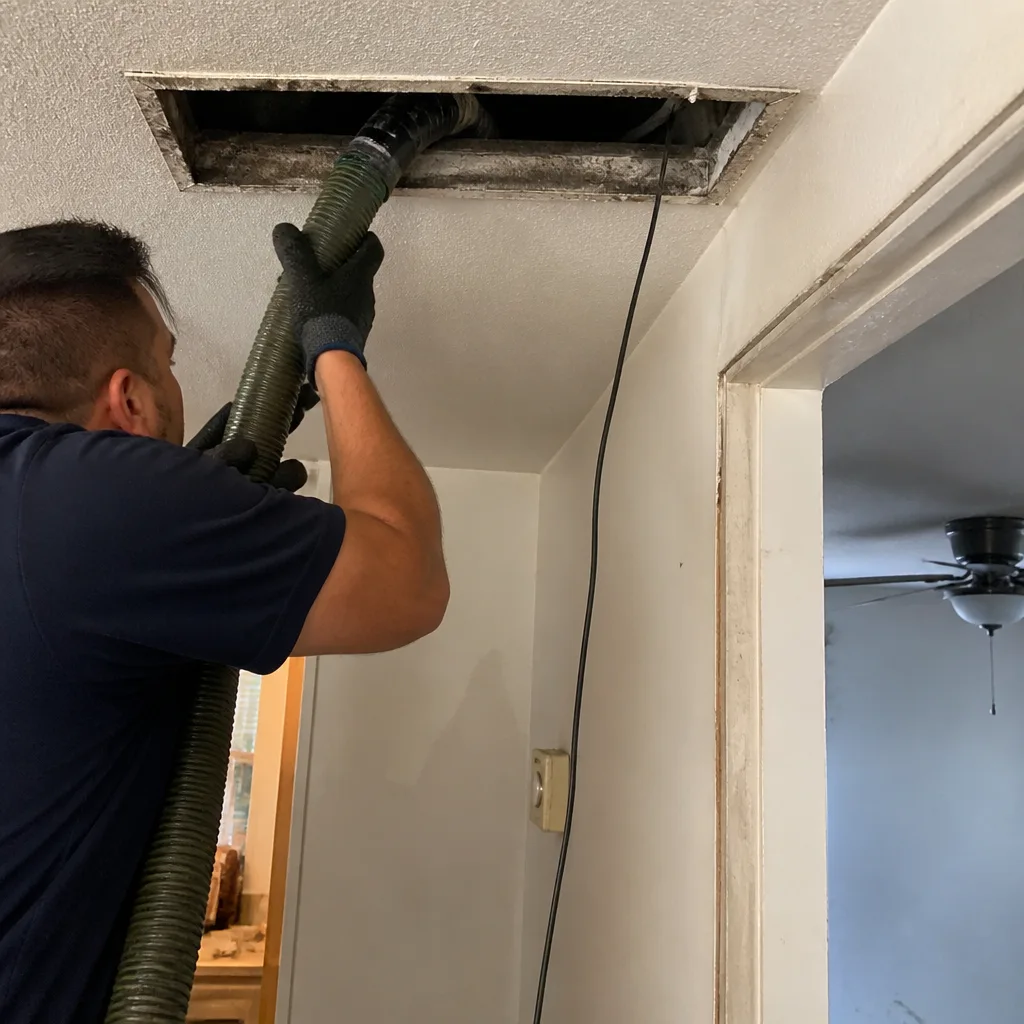 Before
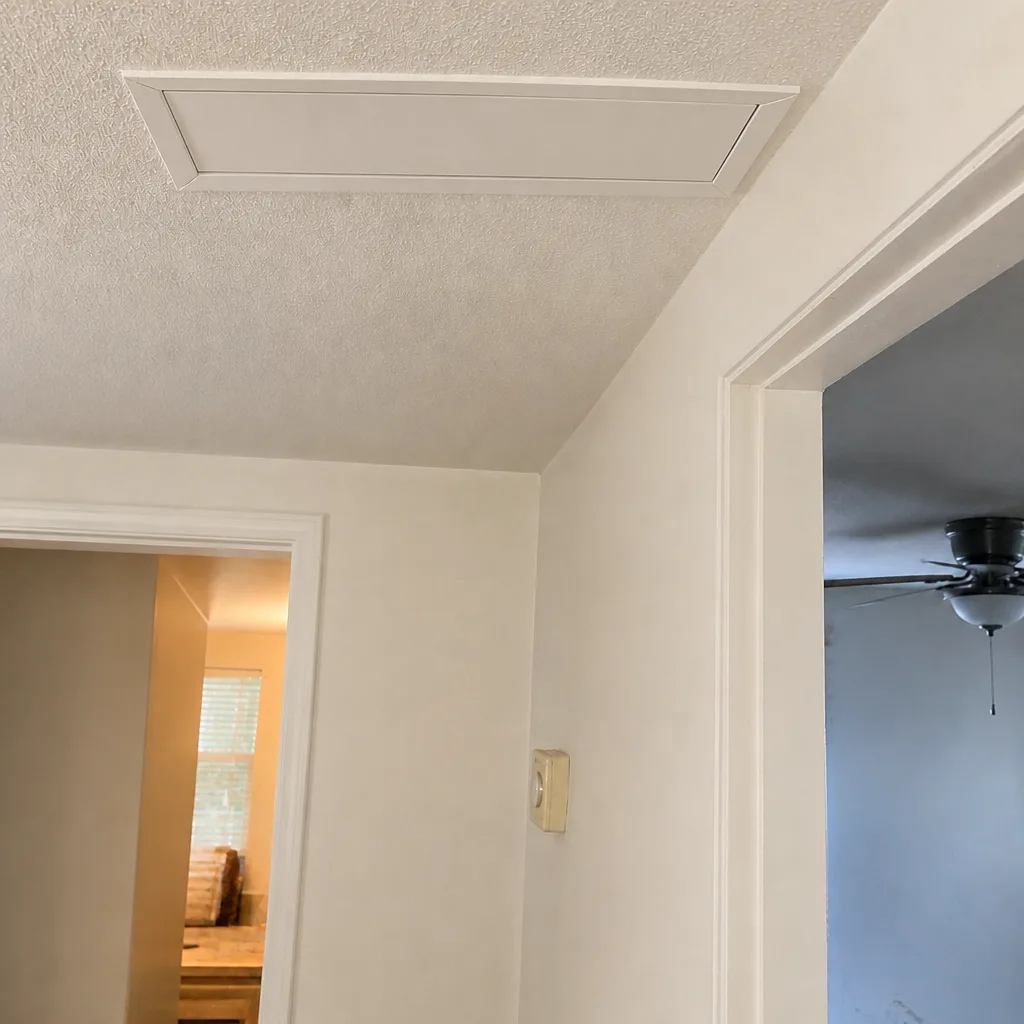 After
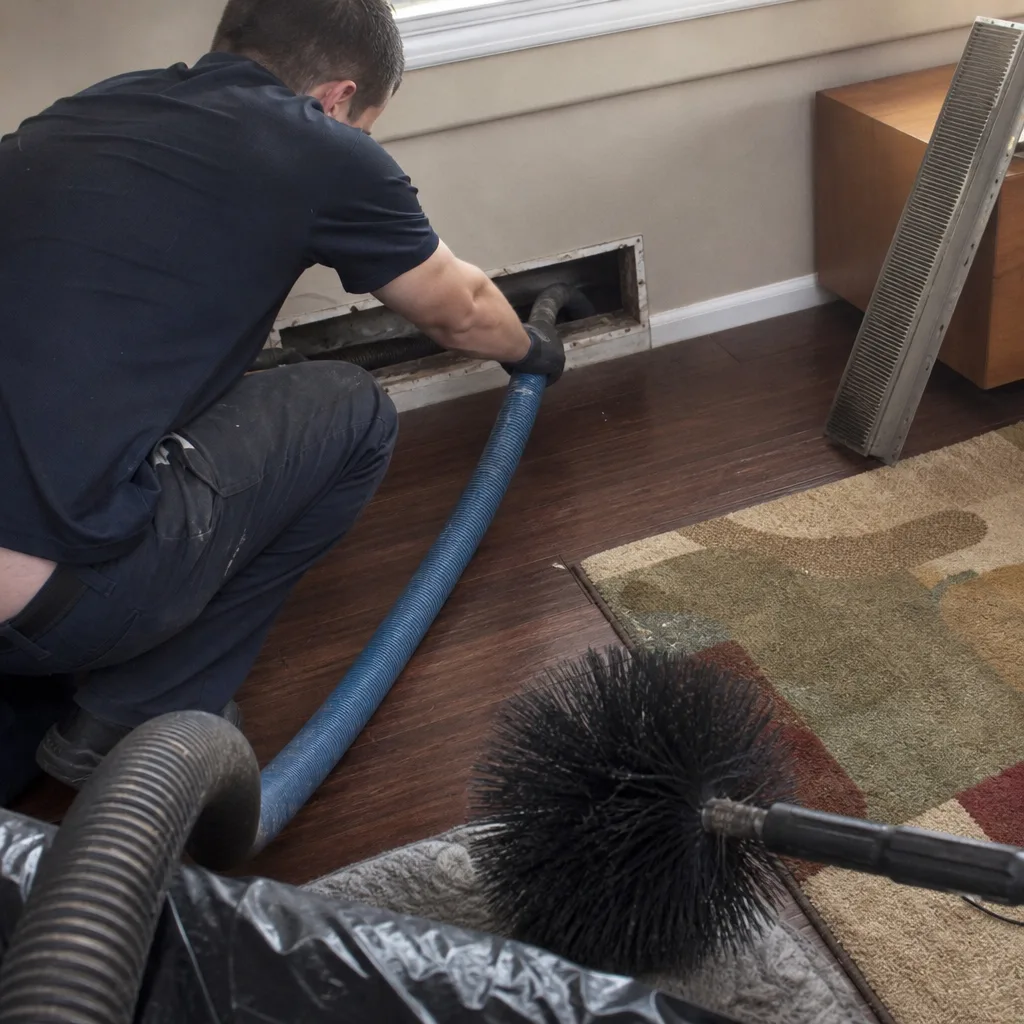 Before
 After
 Before
 After
When to Call a Professional
If your ducts were cleaned recently and something still doesn’t feel right, if a member of the household has symptoms that won’t clear, or if you’ve spotted visible growth around a register, that’s a professional call. The same goes for any rental turnover where you need documented proof of system condition, and any HVAC system that hasn’t been cleaned since the home was built. Duct repair and sealing, once a problem is confirmed, is not a homeowner weekend project on a pressurized system. If a permit or a mechanical contractor is required, having an inspection report first saves time and money. We offer free estimates in Renton – call (888) 423-4218. We answer 24/7. Fast dispatch from 7am to 7pm, Sunday through Friday.
Frequently Asked Questions
No. Standard air duct cleaning does not require a Washington State or City of Renton permit. However, if the work moves from cleaning into duct alteration, component replacement, or anything else that changes the system’s design, a mechanical permit under the Washington State Mechanical Code may be required, and that scope must be performed by a licensed mechanical contractor. If you’re unsure about your specific situation, ask your city’s building department before the work starts. Call (888) 423-4218 for a free estimate – we’ll tell you up front whether your scope crosses into permit territory.
WAC 296-843 covers hazardous materials handling, and when applied to mold discovered during a cleaning, it requires documentation of the affected area, adequate containment during disturbance, and proper disposal of contaminated material. In practical terms, a professional job means photos before the work, negative-pressure containment, sealed disposal of any removed porous components, and a written report of what was found and what was done. A crew offering to remediate mold on the spot without documentation is a red flag. Call (888) 423-4218 to schedule a documented inspection.
A whole-system cleaning for a typical Renton home usually falls in the range of several hundred dollars, varying with the number of registers, system size, and whether mold or heavy contamination is found. We quote one flat price per system agreed before work begins, no per-vent pricing and no coupon bait. Before-and-after photos of your own ducts are part of every job, and if we find something that pushes the work into permit territory, we tell you rather than quietly doing it. Call (888) 423-4218 for an exact quote – estimates are free.
Cheap quotes usually leave out the parts that cost money to do properly: negative-pressure containment, HEPA filtration, video inspection, documented before-and-after photos, and a written report. A technician with a shop vac and a brush kit on a twenty-minute walkthrough is not running the same job as a Rotobrush or Nikro setup with Abatement Technologies containment. In our experience, the “low price then a big invoice on-site” pattern comes from quotes that don’t include the full scope up front. Ask for the written scope before you book, and call (888) 423-4218 if you want a flat quote on the whole system.
You should receive before-and-after photos of your own ducts, not a stock gallery, plus a written report of what was found and what was removed. The report should include the registers, the return plenum, the supply trunk, the blower compartment, and the dryer vent if that was in scope. A signed crew-chief report with a date and system details is the standard. If a crew can’t show you documentation of the work, that’s the answer. Call (888) 423-4218 for a documented cleaning – the photos are of your system, not ours.
Yes, and responsibility usually sits with the property manager or landlord, who needs to keep the system functional and reasonably clean under the state landlord-tenant framework, and who benefits from documentation showing the system’s condition at turnover. That documentation is what protects a manager if a tenant later disputes air quality. Local rental registration and inspection programs may require specific records, so keep the cleaning report with the unit’s maintenance history. Call (888) 423-4218 for a free estimate on a documented rental turnover cleaning.
The Bottom Line
Duct cleaning in Renton doesn’t need a permit, but the work that follows a discovery often does. Mold found inside the system triggers WAC 296-843 documentation, containment, and disposal rules that a spray-bottle fix doesn’t satisfy. Duct modification and component replacement fall under the Washington State Mechanical Code and require a licensed mechanical contractor, possibly with a mechanical permit. Rental property managers face a second layer through state habitability rules and local rental programs, all of which lean on documentation. And the documentation itself is only as good as the equipment behind it – Rotobrush, Nikro, and Abatement Technologies tools make the file defensible. Ask the right questions before any crew arrives. Confirm scope. Confirm credentials. Confirm containment. And when you’re ready to see what’s inside your system, we’re here.
Call (888) 423-4218 for a free estimate on air duct cleaning in Renton. We answer 24/7. Fast dispatch from 7am to 7pm, Sunday through Friday. One flat price per system agreed before work starts, before-and-after photos of your own ducts, and a written report you can keep for your records, your insurer, or your rental file.
Written by the team at Renton Air Duct Cleaning Pros.