
Last updated November 25, 2026
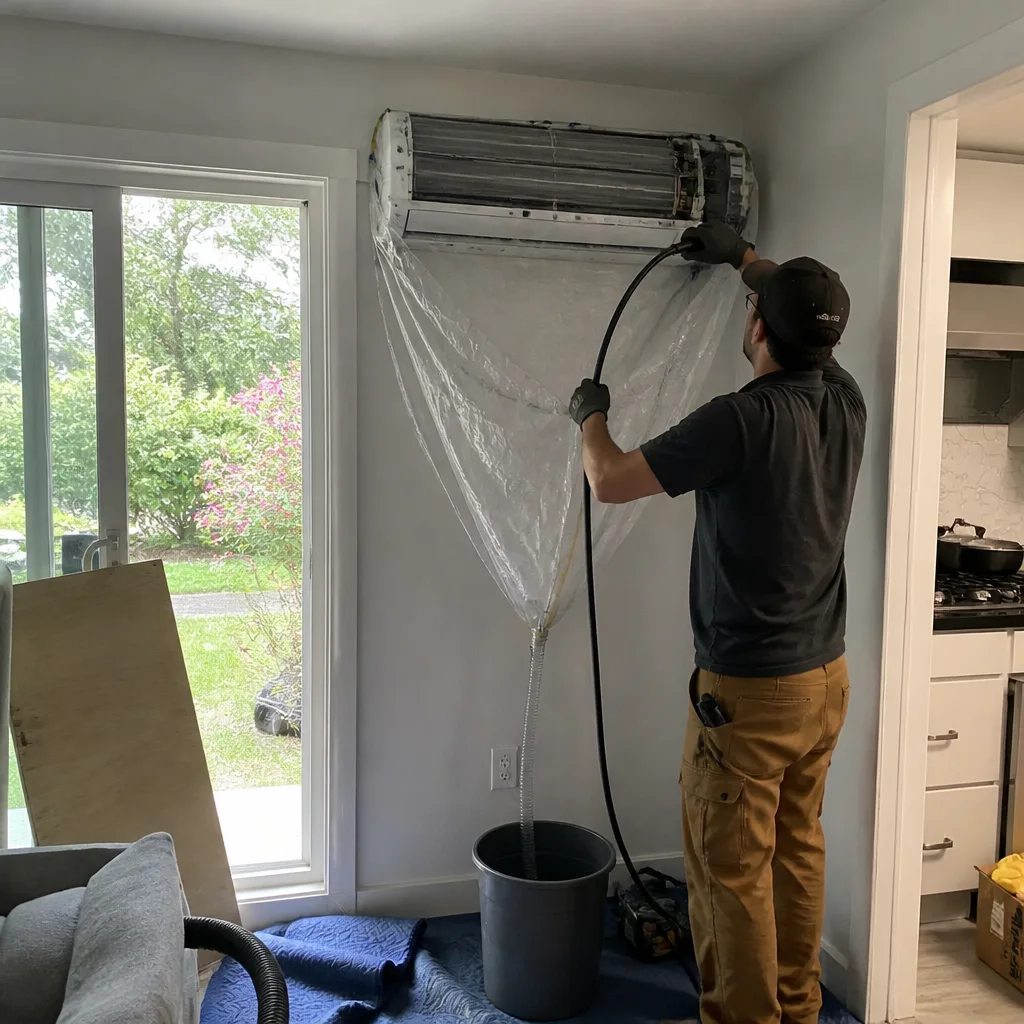
 Whole-home duct cleaning
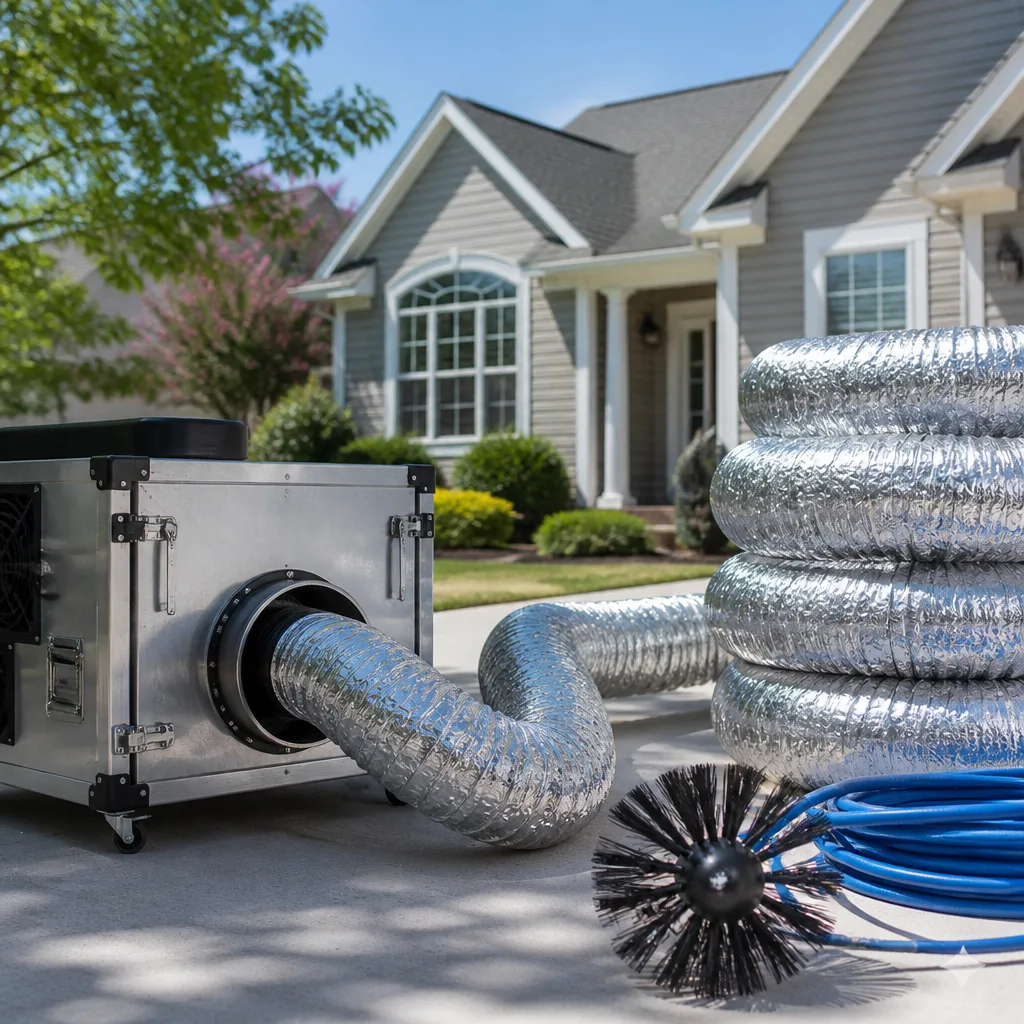
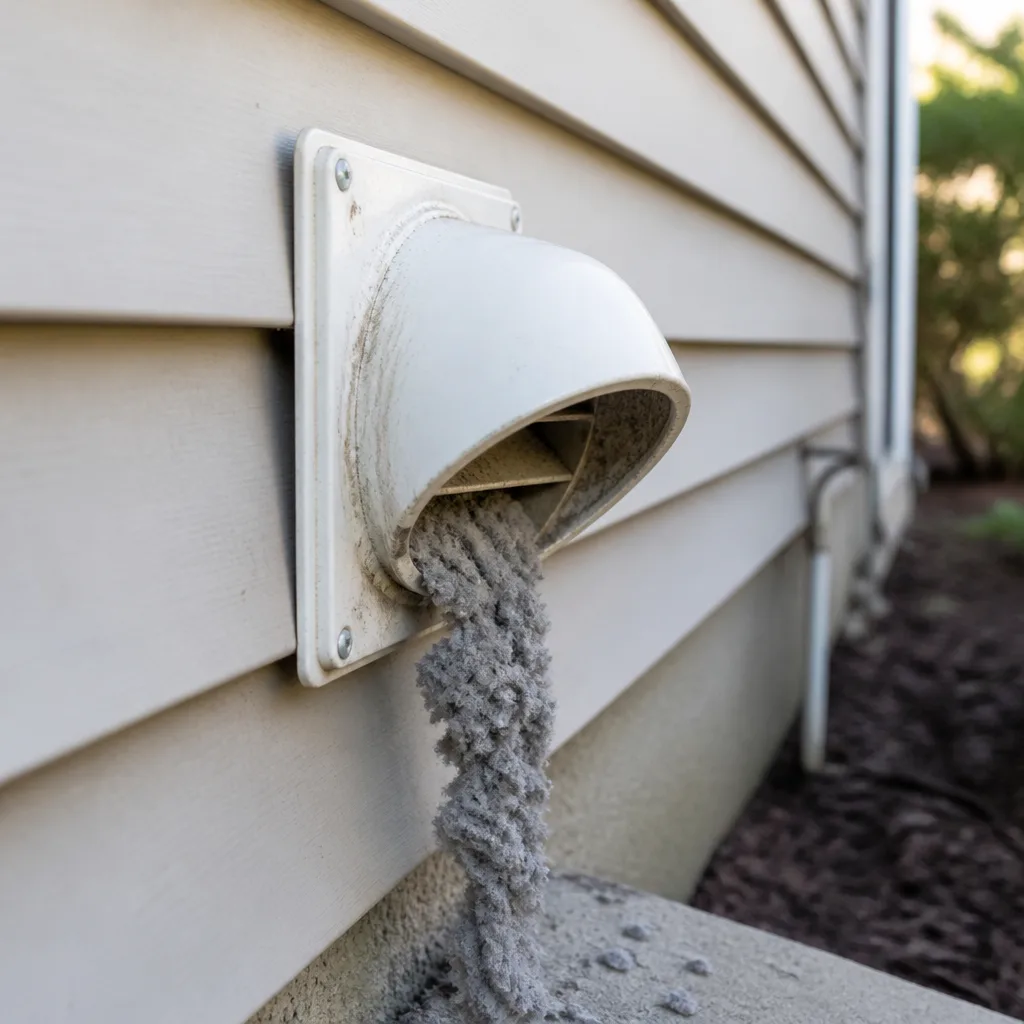 Dryer vent cleaning
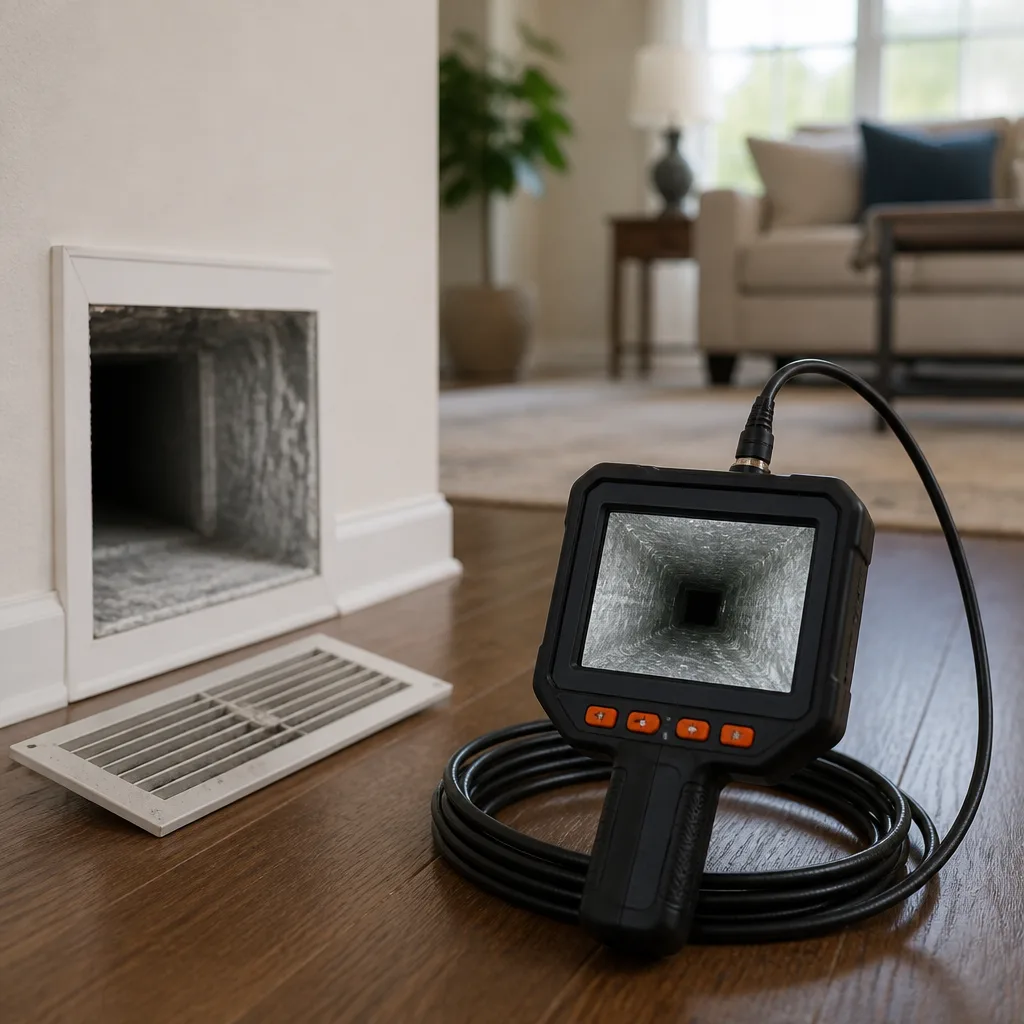 Camera inspection
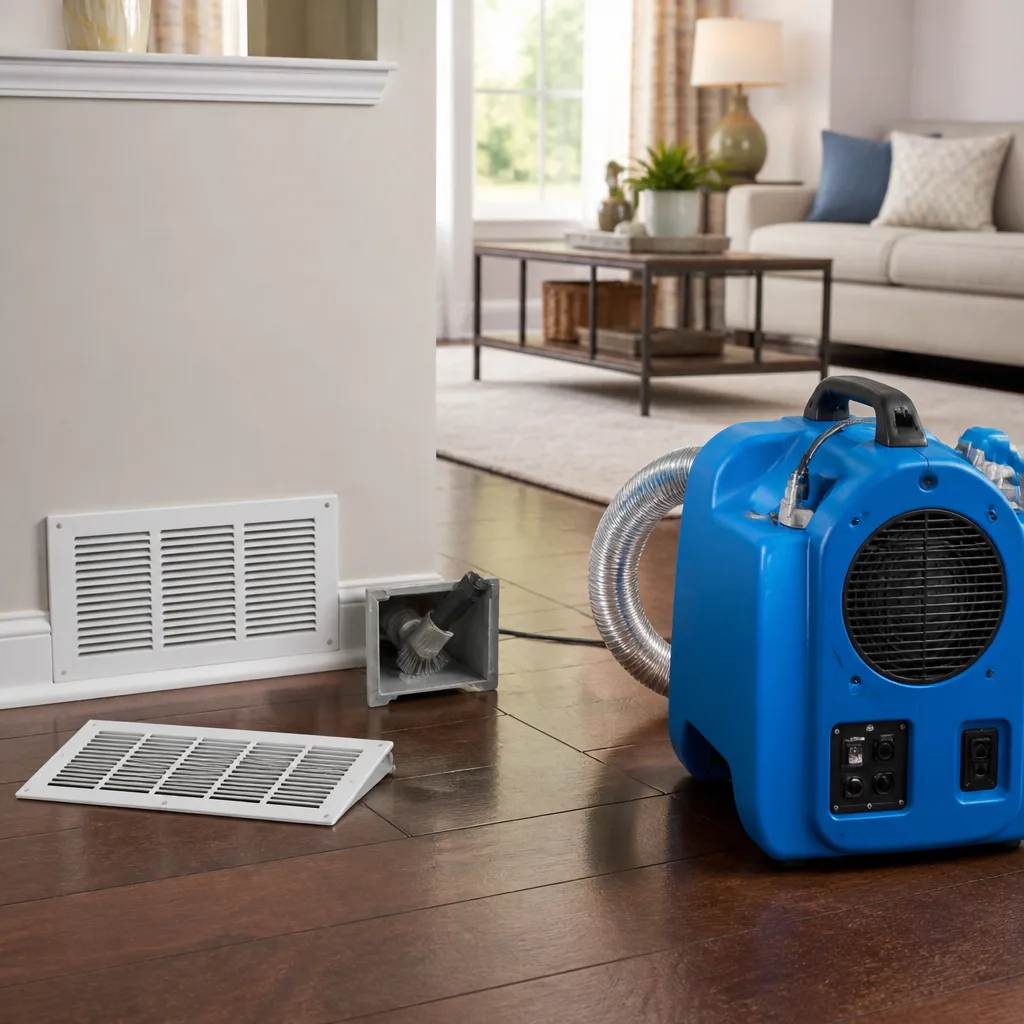 Sanitizing & deodorizing
Whole-system duct and dryer vent check with before-and-after photos - you see exactly what came out of your vents
That "$99 whole-house special" is a bait ad - the real number appears once they are in your hallway, or the "clean" is a shop-vac at the register. We photograph the inside of your ducts before and after instead.
The Complete Guide to Air Duct Cleaning in Renton
The EPA has stated plainly that duct cleaning has never been proven to prevent health problems. That line gets quoted a lot, and it’s usually quoted wrong. It was written about isolated duct blowouts, the kind where a crew runs a vacuum hose through the supply runs and leaves everything else untouched. Full-system indoor air quality work is a different animal, and the distinction matters for anyone in Renton trying to sort out high bills, dust that returns days after cleaning, or a house that smells faintly of smoke when the furnace kicks on. This guide walks through what a complete system clean actually involves, component by component, so you can tell the difference before you hire anyone.
Quick Answer
Air duct cleaning in Renton means cleaning the whole air pathway, not just the supply ducts. A complete job covers the supply and return runs, the blower, the evaporator coil, the register boots, and the dryer vent, all using professional-grade negative-pressure equipment so dislodged debris leaves the house instead of settling into your living room. Cleaning the ducts alone leaves the real contamination sources in place.
Styles & brands we work with
- Whole-home duct cleaning
- Dryer vent cleaning
- Camera inspection
- Sanitizing & deodorizing
Table of Contents
- Dirty Ducts vs. a Dirty System: Why the Distinction Changes Everything
- How Renton’s Climate Shaped What’s Inside Your Ducts
- Contact Cleaning vs. Air-Swept Methods: What Rotobrush Actually Does
- Source Removal vs. Sealant-Only Approaches
- What a Complete System Clean Covers: Component by Component
- What to Expect Before, During, and After a Cleaning in a Renton Home
- How to Verify the Work Was Actually Done
Dirty Ducts vs. a Dirty System: Why the Distinction Changes Everything
Most Renton homeowners don’t have dirty ducts. They have a dirty system. Those sound like the same complaint, but they point to completely different jobs.
The duct runs are just the highways. The blower pulls air through the return, pushes it across the evaporator coil, and sends it out the supply runs to the register boots. Every one of those components touches the airstream. When dust, pollen, and combustion byproducts settle in the ducts but the coil and blower are never cleaned, the blower keeps pulling air across a contaminated surface every time the system cycles. Contamination migrates back into the runs within weeks. Homeowners who’ve paid for a duct-only cleaning often call us back within a month asking why the dust came right back. The answer is usually that it never actually left.
This is why we treat the job as one air pathway. Air ducts, the HVAC unit itself, the dryer vent, and air quality sanitizing all under a single visit, so nothing gets left for a second contractor to finish. Renton Air Duct Cleaning Pros works this way specifically because piecemeal cleaning almost always produces a piecemeal result.
The same logic applies to component mismatches. A system with a Honeywell filtration cabinet or an Aprilaire humidifier in the airstream has additional contamination surfaces that a duct-only crew will walk right past. Matching the cleaning to what’s actually installed in your system matters as much as the cleaning method itself.
How Renton’s Climate Shaped What’s Inside Your Ducts
Duct loading in the Pacific Northwest looks different from anywhere else in the country, and Renton sits in a particularly loaded spot.
The area sees genuinely high humidity for a long stretch of the year, which matters because moist air keeps fine particulate matter tacky inside the duct walls instead of letting it dry out and blow through. In dry climates, a lot of dust stays loose and gets caught by the filter. Here, it cakes onto surfaces. Add the region’s cedar and fir pollen, which comes in dense spring waves and settles into every return boot and register, and you get a heavier, stickier contamination layer than a homeowner in Phoenix would ever see. Wildfire smoke drifting over from Eastern Washington adds another layer, especially during summer and early fall burn seasons. That smoke carries fine particulate matter that a standard filter captures only partly; the rest settles into the return runs and the blower housing.
The combination creates a specific loading pattern:
- Return runs carry the heaviest load because all unfiltered air passes through them first
- Register boots collect cedar and fir pollen that drops out at the discharge point
- The blower wheel builds an imbalanced dust layer that stresses the motor over time
- The evaporator coil becomes a fine screen for smoke particulate and takes the biggest hit during cooling season
Renton sits in a valley between the Cascades and Puget Sound, which means the wildfire smoke that migrates inland tends to linger rather than clear quickly. Neighborhoods near the Cedar River and in the Renton Highlands often see the slowest settling of that smoke, simply because the geography holds it in longer. It’s not a dramatic effect, but it does affect how frequently a home needs a clean.
Contact Cleaning vs. Air-Swept Methods: What Rotobrush Actually Does
There are two main approaches to cleaning duct interiors, and the difference in outcome is significant.
Air-Swept Method
A negative-pressure truck pulls a strong vacuum through the system while the technician disturbs dust loosely, usually with a compressed-air whip or a rotating brush on a long cable. The dislodged debris gets pulled toward the truck. It works okay on light, dry dust. It struggles badly with caked pollen, oily smoke deposits, or any buildup that has bonded to the duct walls. In our experience, air-swept-only jobs in Renton leave a visible film on the duct interior even after the vacuum runs clean for an hour.
Contact Cleaning with Rotobrush
Rotobrush is a purpose-built duct-cleaning system, not a modified shop vac. The tooling uses a rotating brush-and-vacuum combo that physically agitates the duct wall while simultaneously capturing the debris. Contact cleaning means the brush actually touches every reachable surface. That’s what removes the baked-on film. For a Renton home with years of pollen and smoke deposit, contact cleaning is generally the only way to actually clear the walls.
We supplement the Rotobrush system with Nikro equipment for the runs and register boots where the geometry needs a different approach, plus Abatement Technologies machines that maintain true negative-pressure containment throughout the job. That last point matters more than most homeowners realize. Negative-pressure containment means anything the brush dislodges is pulled out of the airstream and captured, not pushed back into living space. Plenty of residential duct cleaners skip this entirely and work with the furnace blower running, which essentially pumps dislodged dust straight back into the house.
If you’re comparing methods, the honest test is simple: ask what equipment the crew uses. If the answer is a shop vac and a leaf blower, walk away.
Source Removal vs. Sealant-Only Approaches
Two different philosophies exist for dealing with dirty ductwork, and they get marketed in ways that blur the line between them.
Source Removal
This is what proper air duct cleaning means. The contamination is physically removed from the system. Ducts get scrubbed and vacuumed, the blower and coil get cleaned, register boots get cleared, and everything dislodged is captured under negative pressure. Source removal leaves a clean system behind.
Sealant-Only Approach
Some companies spray an antimicrobial coating or sealant through the ducts without removing the underlying contamination. The claim is that the coating “encapsulates” whatever’s there. It can look good on the invoice. But the contamination is still in the duct, the airstream still passes over it, and wherever the coating hasn’t fully bonded, the contamination can still work its way loose.
Sealant-only approaches have a place when ductwork is physically compromised and a full removal isn’t safe or practical. That’s rare. For most residential systems, sealing over contamination rather than removing it is like painting over mold.
There’s one more wrinkle in the Renton market: some companies advertise “sealing” when what they actually mean is duct repair or joint sealing. That’s a legitimate service, and one we offer in-house, but it’s a different job from air quality cleaning. Duct repair and sealing fixes leaks and disconnected joints that waste conditioned air. It doesn’t clean anything. When a cleaning reveals compromised ductwork – a crushed section, disconnected joint, or torn flex duct – we repair it on the same visit so the homeowner doesn’t need a separate contractor.
For homes where sanitizing is warranted, we use Guardsman-grade protection products after the source removal is complete. The order matters. Sanitizing over contamination is pointless. Sanitizing a clean system is what gives you air you can measure, not just feel.
What a Complete System Clean Covers: Component by Component
A system-level cleaning in Renton should touch every one of these components. If a quote doesn’t mention most of them, it isn’t a full-system job.
- Supply duct runs – contact-cleaned with Rotobrush, all branches from the plenum to the boots
- Return duct runs – typically the heaviest load, cleaned under continuous negative pressure
- Main trunk lines and plenum – the largest unrestricted airflow surfaces, cleaned with the larger tooling
- Register boots and grilles – removed, cleaned, and reinstalled so pollen deposits don’t re-enter the airstream
- Blower assembly – cleaned so the wheel is balanced again and dust isn’t being thrown back into the airstream
- Evaporator coil – cleaned on the airside so the coil can actually transfer heat and the smoke particulate layer comes off
- HVAC cabinet interior – cleaned including any visible filtration cabinet surfaces (Honeywell or Aprilaire housings get cleaned around, not through)
- Dryer vent – typically not on the same trip as duct cleaning but a logical add-on since dryer vent cleaning uses the same negative-pressure equipment and both systems share a fire and air quality safety concern
If you’re also scheduling HVAC cleaning as its own visit, the component overlap is significant. Combining them in one visit is the cleaner approach.
What to Expect Before, During, and After a Cleaning in a Renton Home
A typical Renton split-level or craftsman runs the same basic sequence, though the specifics shift depending on the age of the ductwork and the layout of the system.
Before the Visit
A proper inspection comes first. The technician should walk the system, note where the return grilles pull from, identify any Honeywell or Aprilaire equipment already installed, check for obvious duct defects, and confirm the scope of the job. Expect to answer questions about pets, recent remodeling, or any smoke events in the last year, since those change what the load looks like.
During
A complete clean takes a few hours. The crew sets negative-pressure containment at the main trunk, removes register covers, and works through the supply and return runs with contact tooling. The blower and coil are cleaned separately. Register boots get scrubbed outside the system. If duct repair is needed, it’s done at the end once the system is clean so no repaired joint gets disturbed.
After
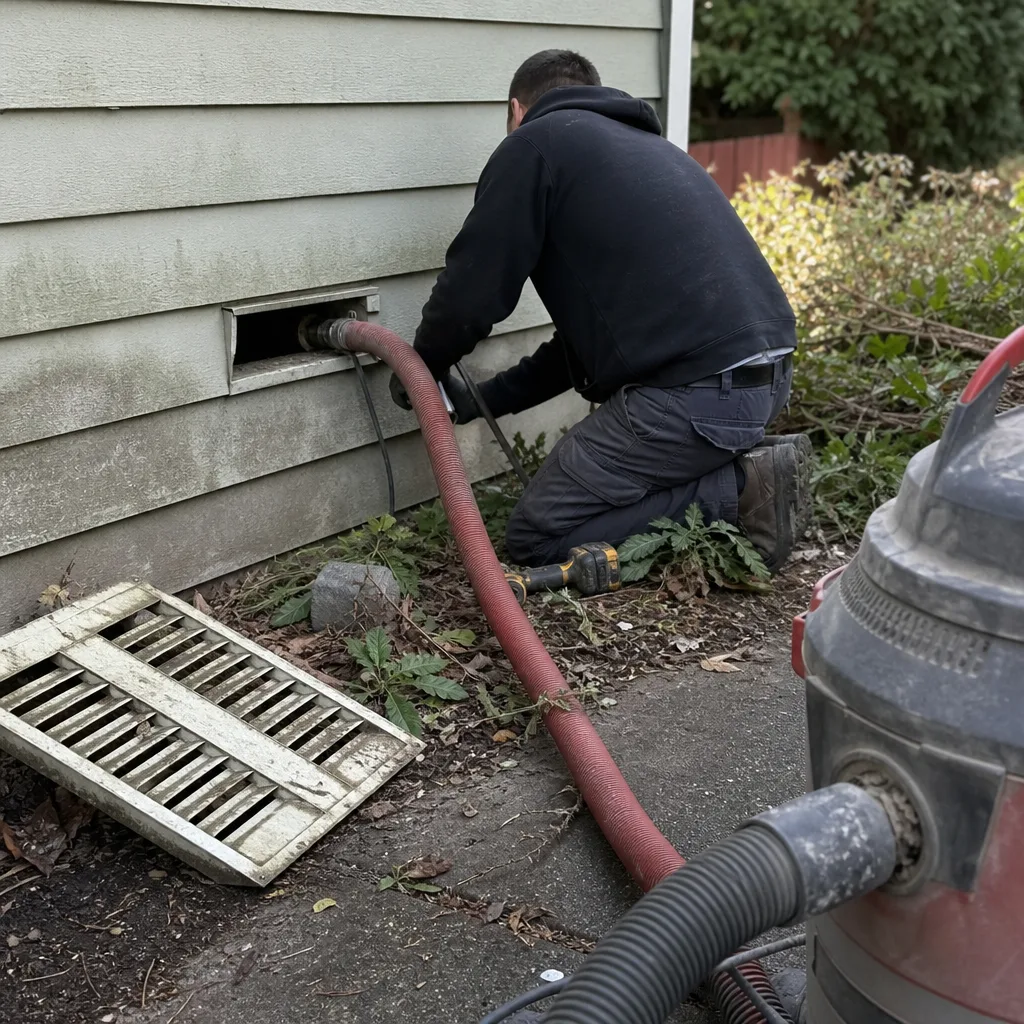
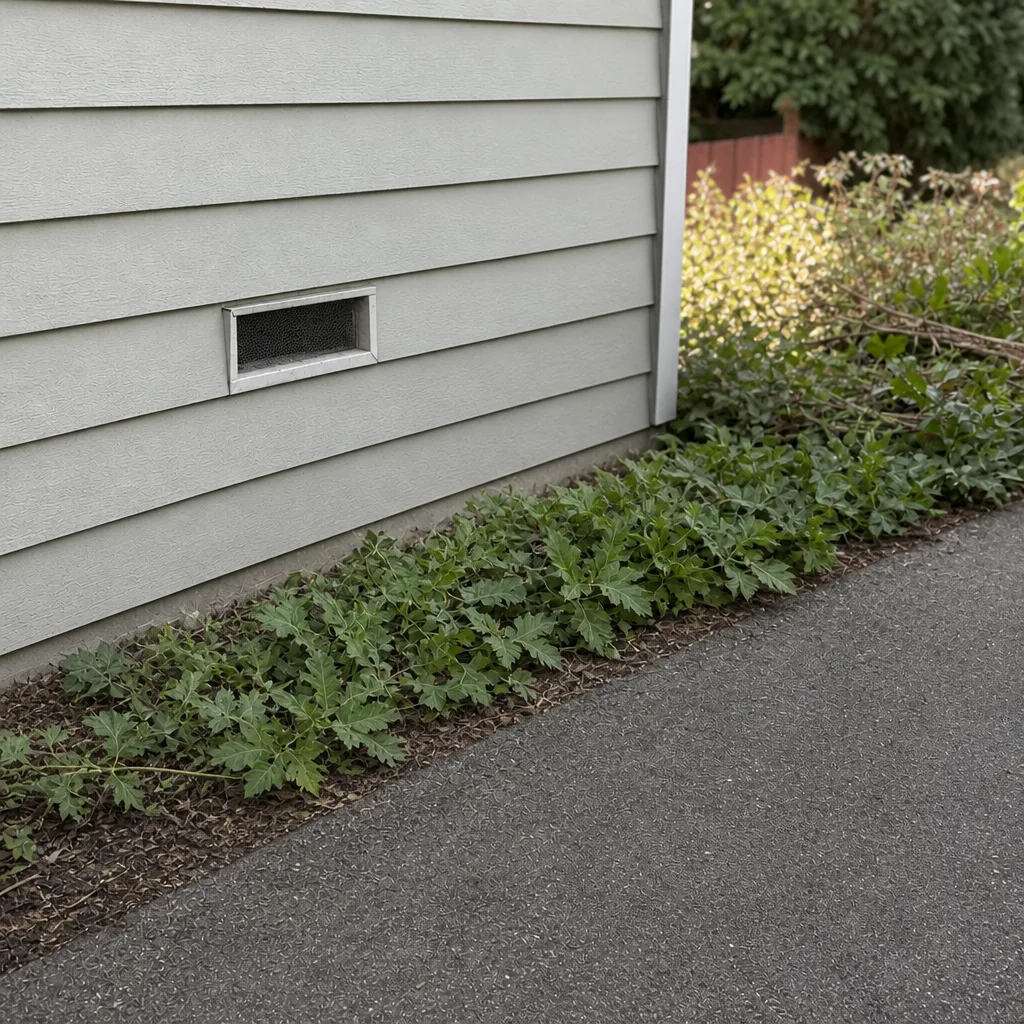
Before-and-after photos of the actual duct interiors are standard with our team, and you should insist on them from anyone you hire. You’ll see the difference between a clean run and a dirty one, and you’ll have a record of what was done. Expect a mild settling of dust on surfaces for a day or two as residual particles finish working their way out of the airstream. The registers will look clean, and the system should sound slightly quieter. If the blower was imbalanced from dust buildup, the whole house usually sounds different once it’s clean.
If you have an Aprilaire humidifier mated to the system, expect the water panel housing and bypass to get cleaned as part of the visit. The same goes for a Honeywell filtration cabinet. Cleaning needs to work around existing IAQ equipment, not skip it.
How to Verify the Work Was Actually Done
The most common complaint about this industry, and it’s not a rare one, is that some crews collect the payment and do a light pass through the supply runs without ever touching the returns or the blower. In a Renton home, that means the whole contamination cycle is still intact.
Four things to insist on:
- Before-and-after photos of your own duct interiors, not stock photos. Nobody should have to argue about whether the work actually happened.
- Equipment listed up front. If the quote doesn’t name what will be used, ask specifically whether Rotobrush, Nikro, or an equivalent is coming, and whether true negative-pressure containment is part of the setup.
- A written scope before the work starts, listing which components will be cleaned and which won’t be. If a component is being skipped, get the reason in writing.
- A flat price agreed before the first register comes off. No per-vent pricing, no surprise add-ons found once the technician is in the house. The written estimate is the final price, and there are no fees added after the work begins.
That last point is the one worth holding firm on. Bait-and-switch pricing, where a teaser coupon becomes a large invoice on-site, is the industry’s worst habit. We don’t quote per-vent. We quote per system, in writing, and stick to it.
Common Mistakes to Avoid
- Hiring a duct-only crew for a system-level problem. Cleaning supply runs without touching the blower and coil leaves the contamination cycle intact, and the debris usually returns within a few weeks.
- Skipping negative-pressure containment. Without a proper containment setup, dislodged dust gets pushed back into living space. If a crew works with the blower running and no negative pressure, the job makes the house dirtier before it makes it cleaner.
- Comparing quotes on price alone. A quote that’s dramatically lower is almost always skipping the return runs, the blower, the coil, or the register boots. The comparison isn’t apples to apples.
- Paying for sealant instead of source removal. If a company’s main offer is a coating sprayed into the ducts without cleaning first, that’s not a cleaning. In most homes, it’s not what you need.
- Ignoring the dryer vent because it’s “separate.” In a Renton split-level, the dryer vent runs a long way to the exterior wall and can accumulate lint faster than expected. It’s a fire hazard if it’s never cleaned and it’s easy to add to the same visit.
- Forgetting existing IAQ equipment. If you have a Honeywell or Aprilaire setup in the airstream, ask the crew whether they’ll clean around it. A crew that doesn’t know the equipment shouldn’t be cleaning through it.
- Not asking for photos. Every cleaning should end with photographic documentation of what was found and what was cleaned. No photos, no proof.
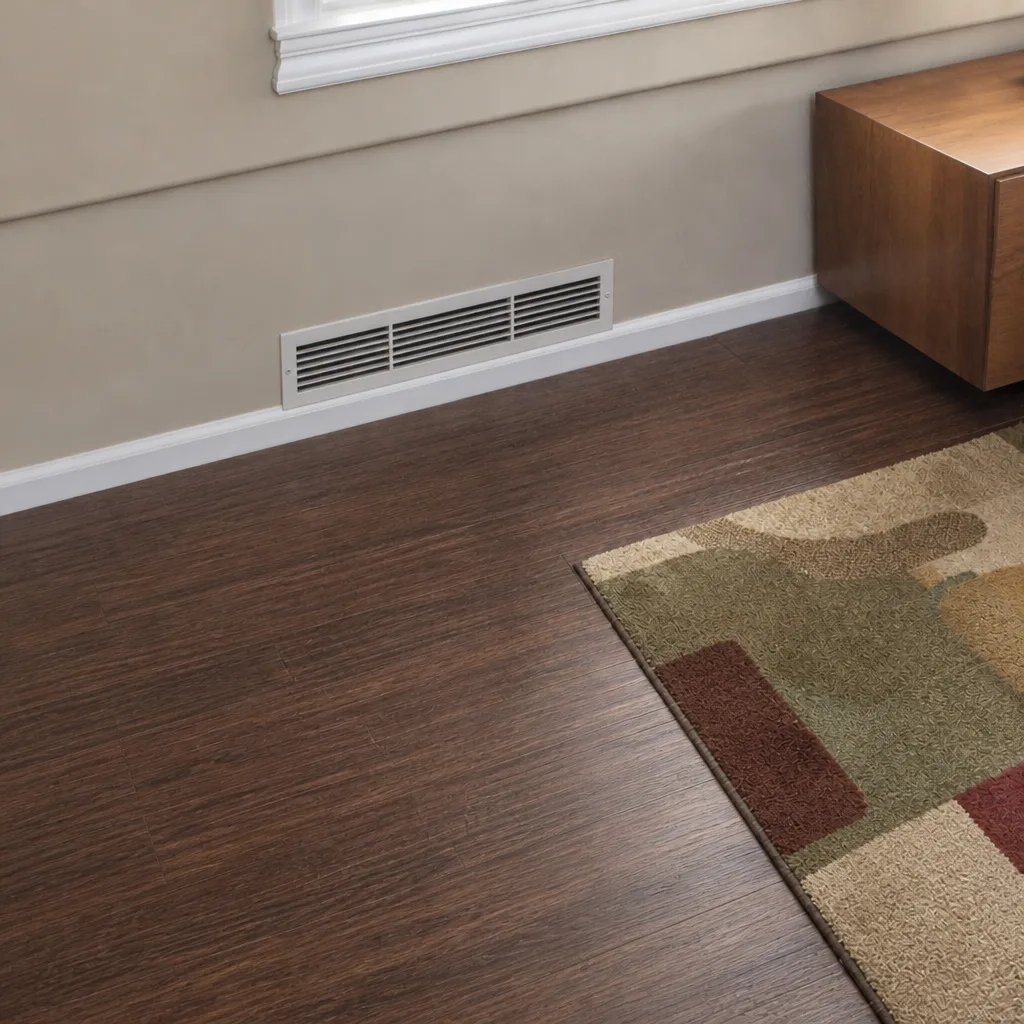
See the difference
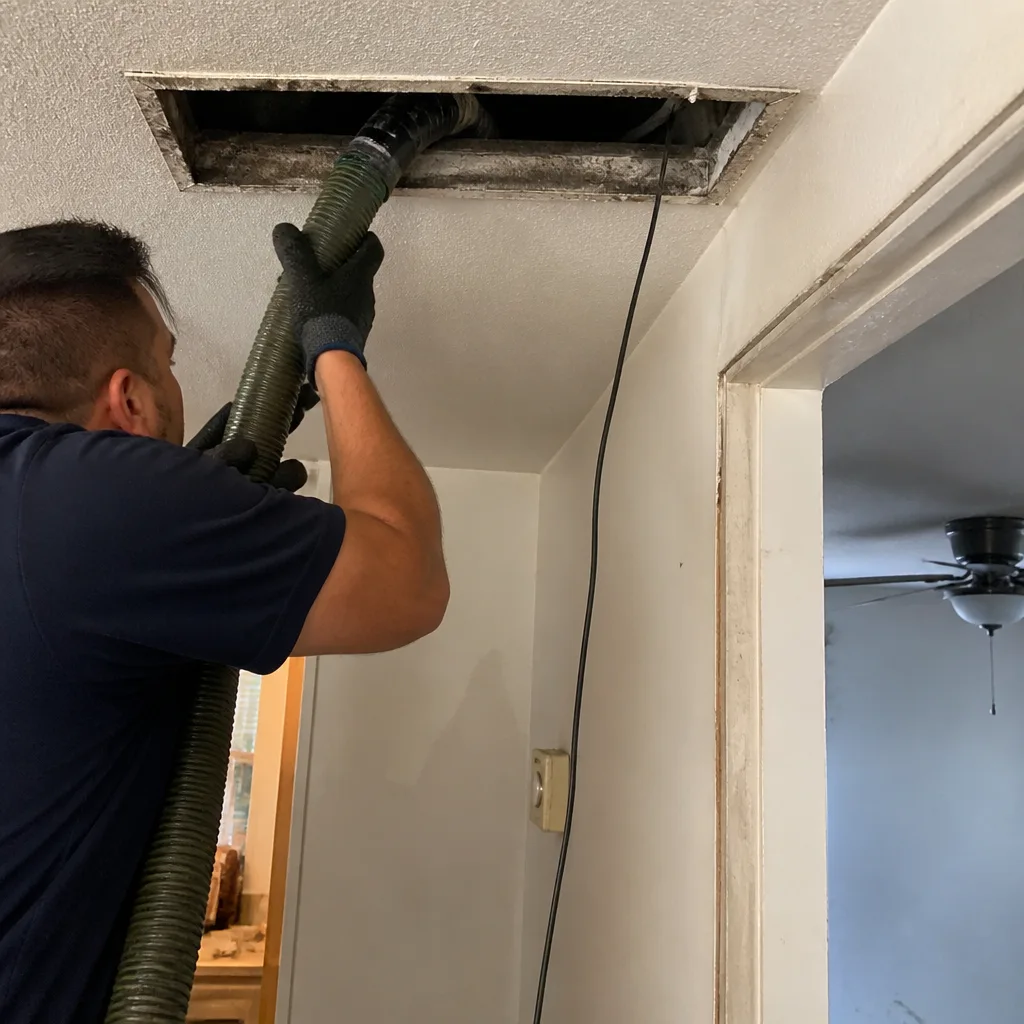 Before
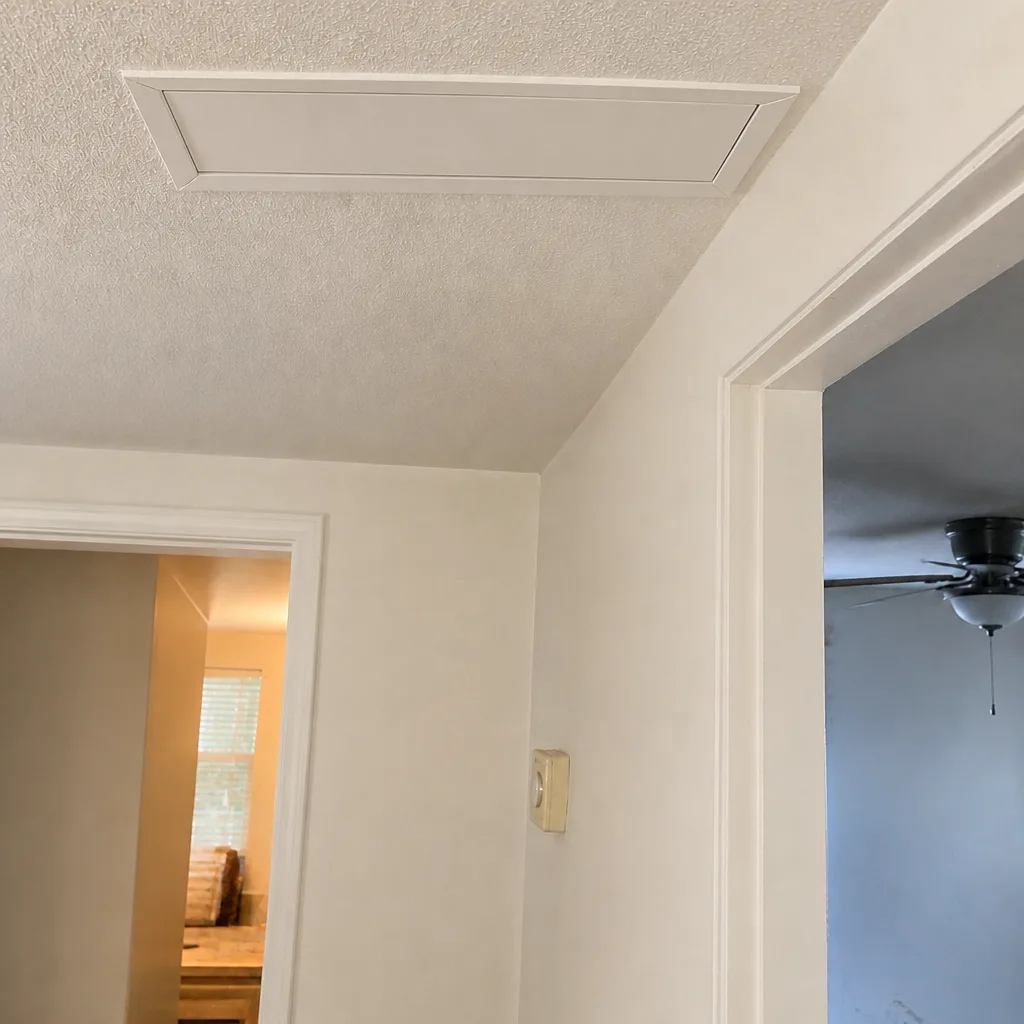 After
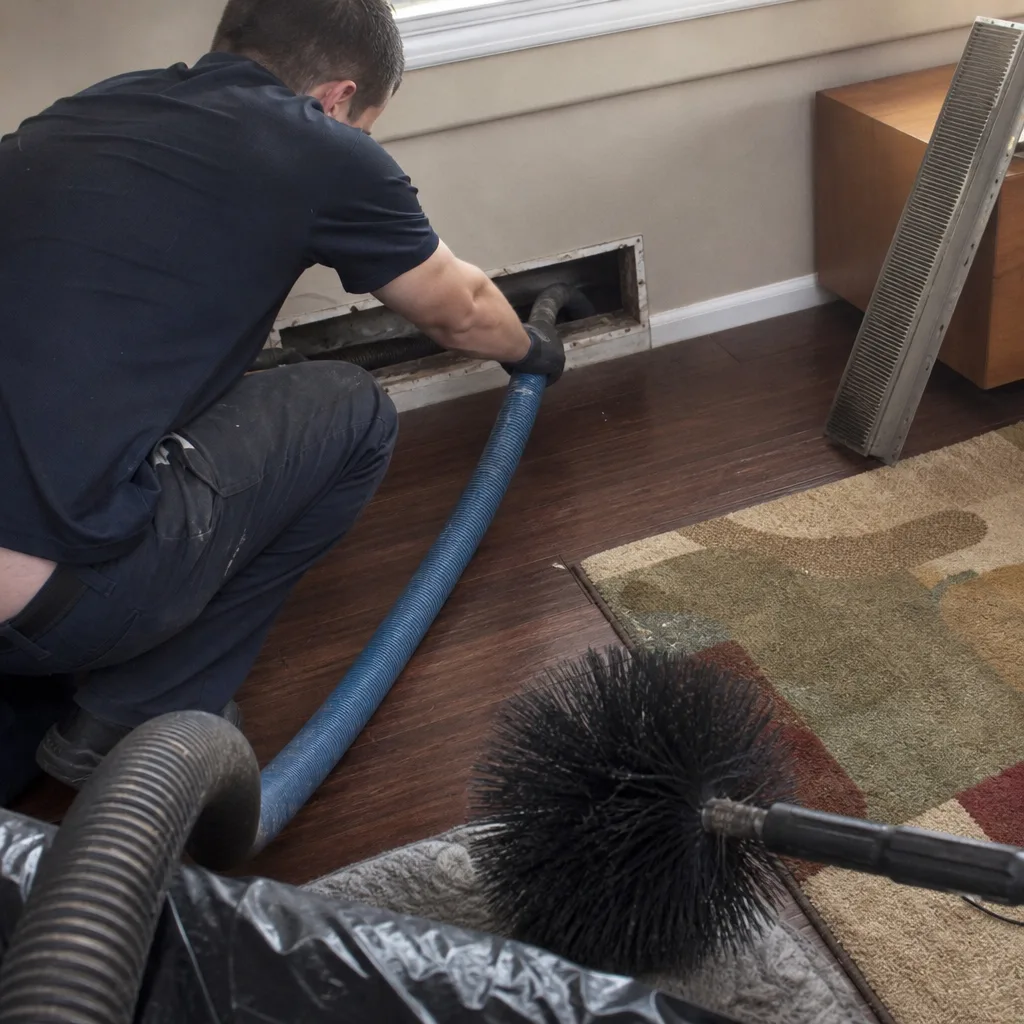 Before
 After
 Before
 After
When to Call a Professional
Not every home in Renton needs duct cleaning right now. A homeowner who’s had the same system for years with no changes, no pets, no recent remodeling, and no visible dust issues can often wait. But certain situations genuinely warrant an inspection:
If you’re seeing dust returning to surfaces within days of cleaning them, or if every filter change shows heavier buildup than you’d expect, that’s a sign the airstream itself is contaminated. If the house smells faintly of smoke or musty odor when the furnace runs for the first time in a season, the return ducts and blower housing are worth checking. If you’ve recently finished a remodel, moved into a home with unknown cleaning history, or noticed an unexplained rise in utility bills paired with a dusty blower, that’s also worth a look. Same goes for a dryer that takes two cycles to dry a normal load – that’s often a clogged dryer vent, not a duct problem, but it points to the same air pathway.
Renton Air Duct Cleaning Pros offers free estimates in Renton. Call (888) 423-4218. We answer 24/7. Fast dispatch from 7am to 7pm, Sunday through Friday.
Frequently Asked Questions
Most Renton homeowners can expect a full-system cleaning to land in the range of a few hundred to a low four-figure investment depending on square footage, number of runs, and whether coil and blower cleaning is included. The price is set per job by a written estimate before any work starts, not per vent, so there are no surprise line items when the crew arrives. Call (888) 423-4218 for an exact quote – estimates are free.
Most homes don’t need annual cleaning. A general rule is every three to five years for a typical household, but Renton’s heavy spring pollen load, wildfire smoke events, and humid winters push some homes toward the shorter end. Homes with pets, recent remodeling, or occupants with asthma usually benefit from a shorter interval. An inspection tells you more than a calendar does. Call (888) 423-4218 for a free estimate and we’ll tell you honestly if you don’t need it yet.
Cheap quotes are usually working from a shorter scope. They often clean only the supply runs, skip the returns and the blower, and use a consumer-grade vacuum instead of proper negative-pressure containment. The invoice is lower because the work is lower. We quote per system with a flat price agreed before we start, and we document what was actually done. Call (888) 423-4218 for a real quote you can compare like-for-like.
Duct cleaning is worth it when contamination is genuinely there and the job is done as a full-system service. Cleaning only the ducts without addressing the blower and coil is what gives the industry its reputation. Source removal clears the underlying source; sealant-only or blower-skipping jobs leave the contamination cycle intact and often produce a complaint within weeks. Ask for before-and-after photos, ask what equipment is used, and confirm whether the blower and coil are included. Call (888) 423-4218 for a free estimate.
Before-and-after photos of your own duct interiors are the simplest verification. A complete job should also include a written scope agreed before work begins, listed equipment, and a flat price that doesn’t change once the technician is in the house. If a crew can’t provide photos of the ducts they cleaned, they aren’t documenting the work. Call (888) 423-4218 and we’ll walk you through exactly what the visit will cover.
Yes – all of it. The full air pathway is the whole point: air ducts, the HVAC unit itself, the dryer vent, duct repair and sealing, and air quality sanitizing under one visit. Because duct repair is offered in-house, anything found during the cleaning gets fixed on the same visit rather than deferred to a second contractor. Call (888) 423-4218 for a free estimate covering the full scope.
The Bottom Line
Renton’s climate loads ductwork harder than most of the country. Cedar and fir pollen, humid winters, wildfire smoke drifting in from the east, and a typical home’s everyday dust all settle into the system in a way that makes light air-swept cleaning largely ineffective. The fix isn’t a duct blowout – it’s a full-system clean using proper equipment under negative pressure, with the blower and coil cleaned alongside the runs. If you take one thing from this guide, take that: the contamination cycle lives in the system, not just the ducts. Clean the whole pathway, verify the work with photos, and hold the price to a written estimate agreed before anyone touches the registers.
Renton Air Duct Cleaning Pros connects homeowners with independent local professionals who use professional-grade Rotobrush, Nikro, and Abatement Technologies equipment because duct cleaning is a system job, not a hose job. Our technicians have up to 12 years of experience. We clean the air pathway from the return to the register boot, repair what we find on the same visit, and document the before-and-after so you know exactly what was done. Call (888) 423-4218. We answer 24/7. Fast dispatch from 7am to 7pm, Sunday through Friday. The written estimate sets the final price, and no fee gets added once the work begins.
Written by the team at Renton Air Duct Cleaning Pros.