
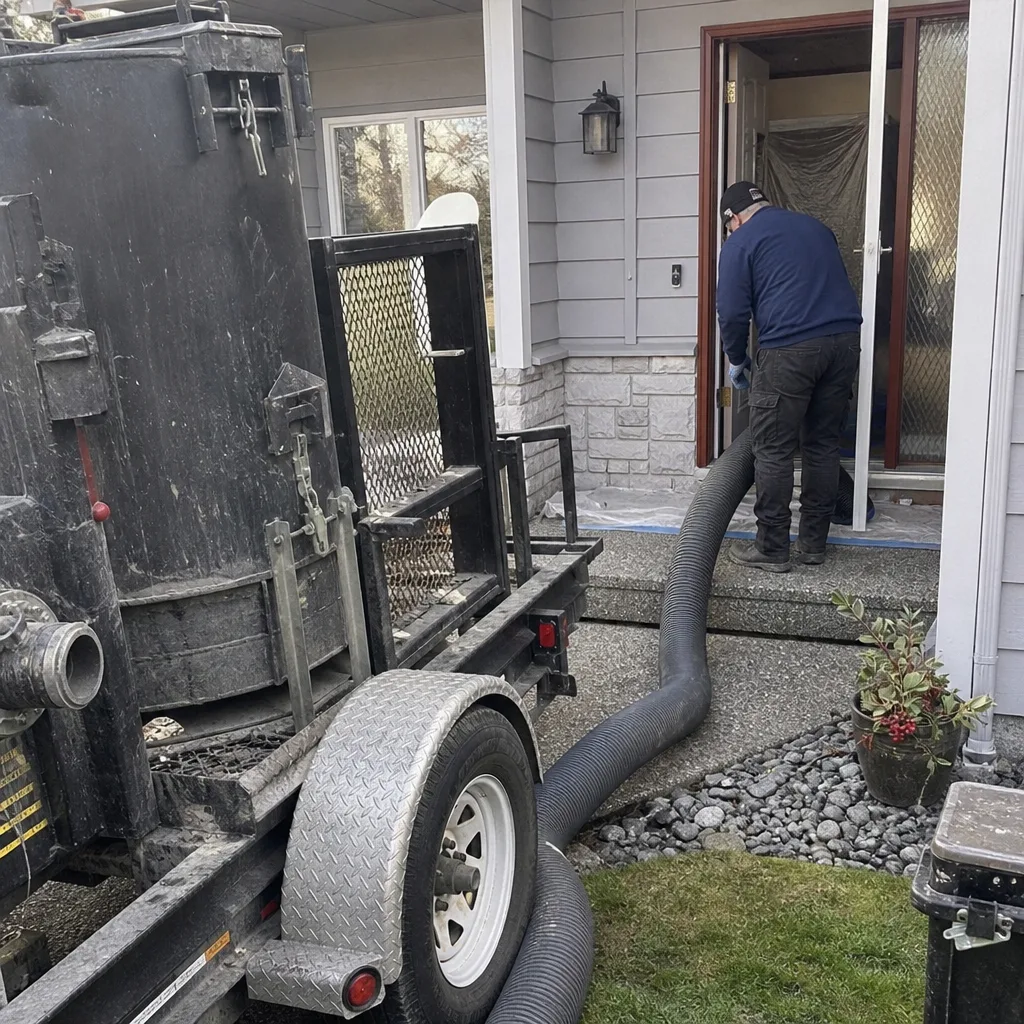
Last updated November 25, 2026
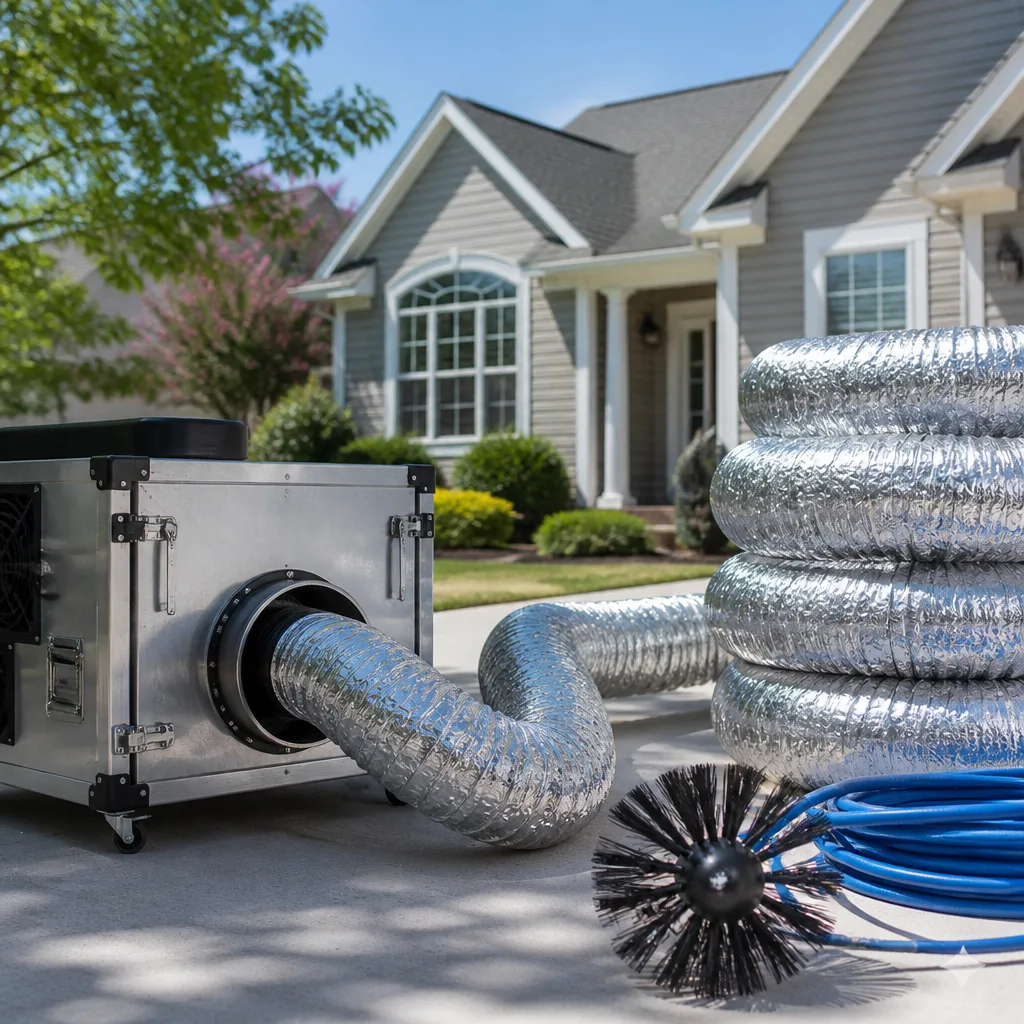 Whole-home duct cleaning
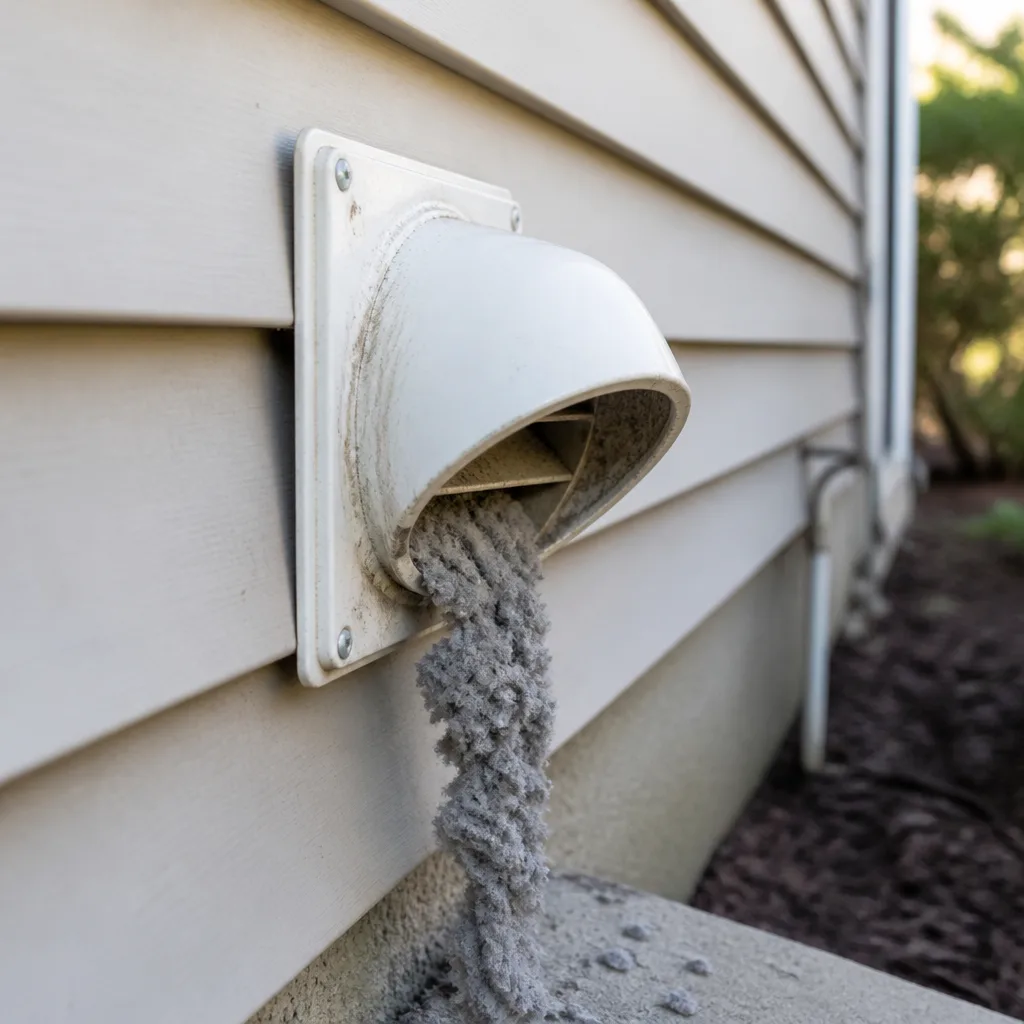 Dryer vent cleaning
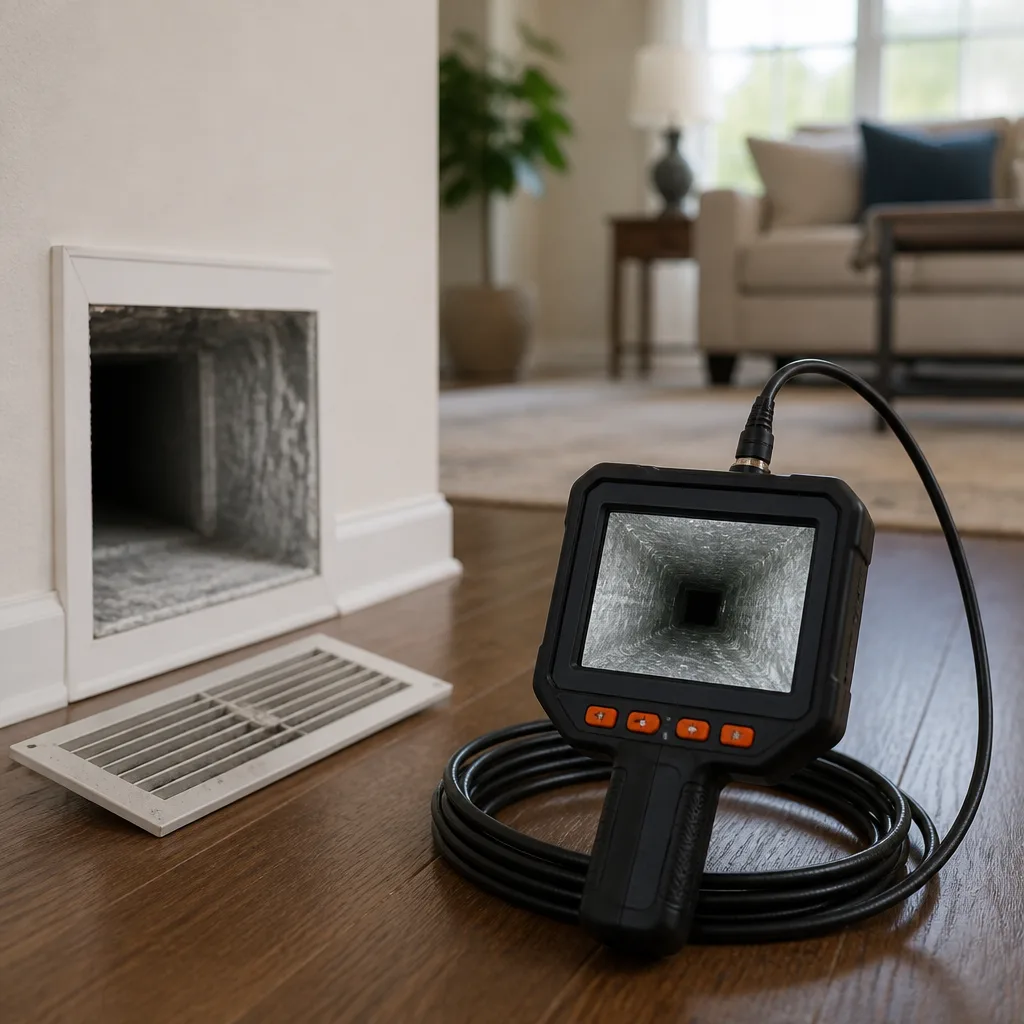 Camera inspection
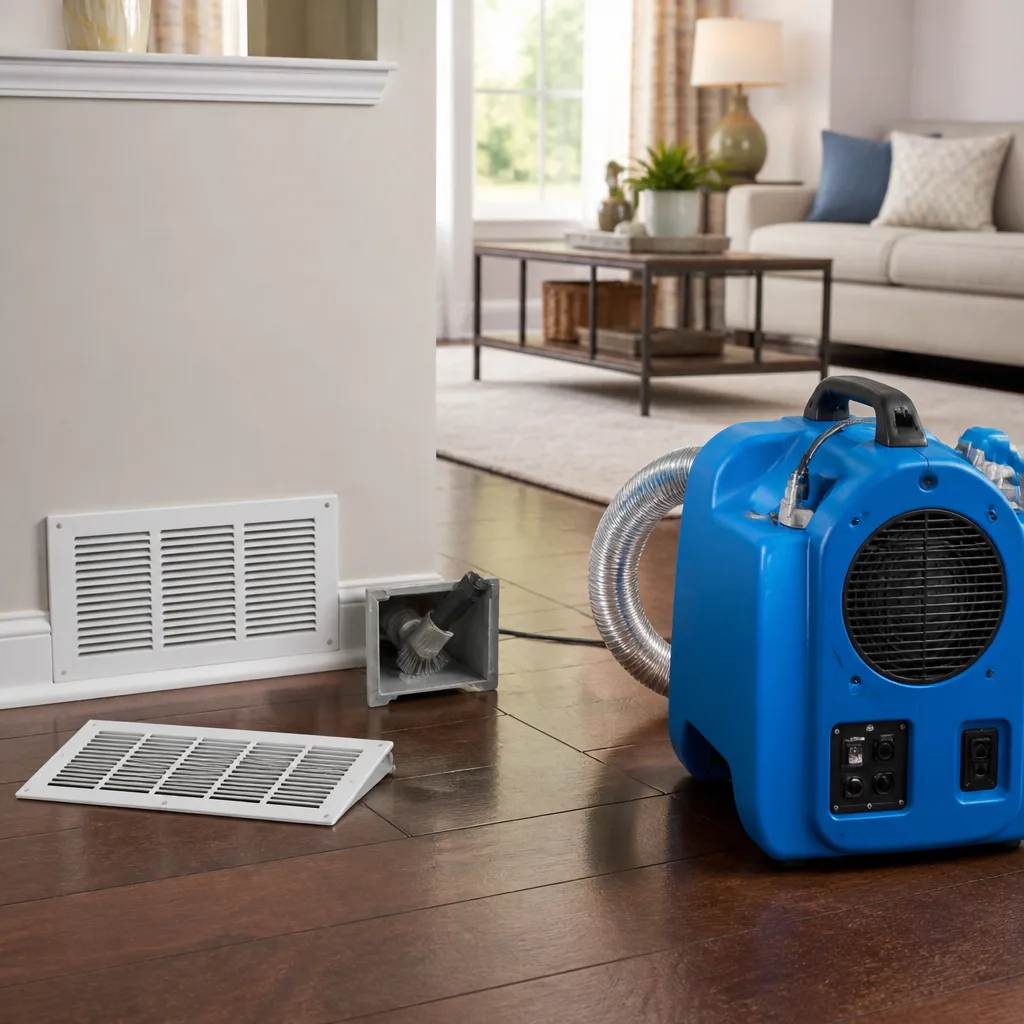 Sanitizing & deodorizing
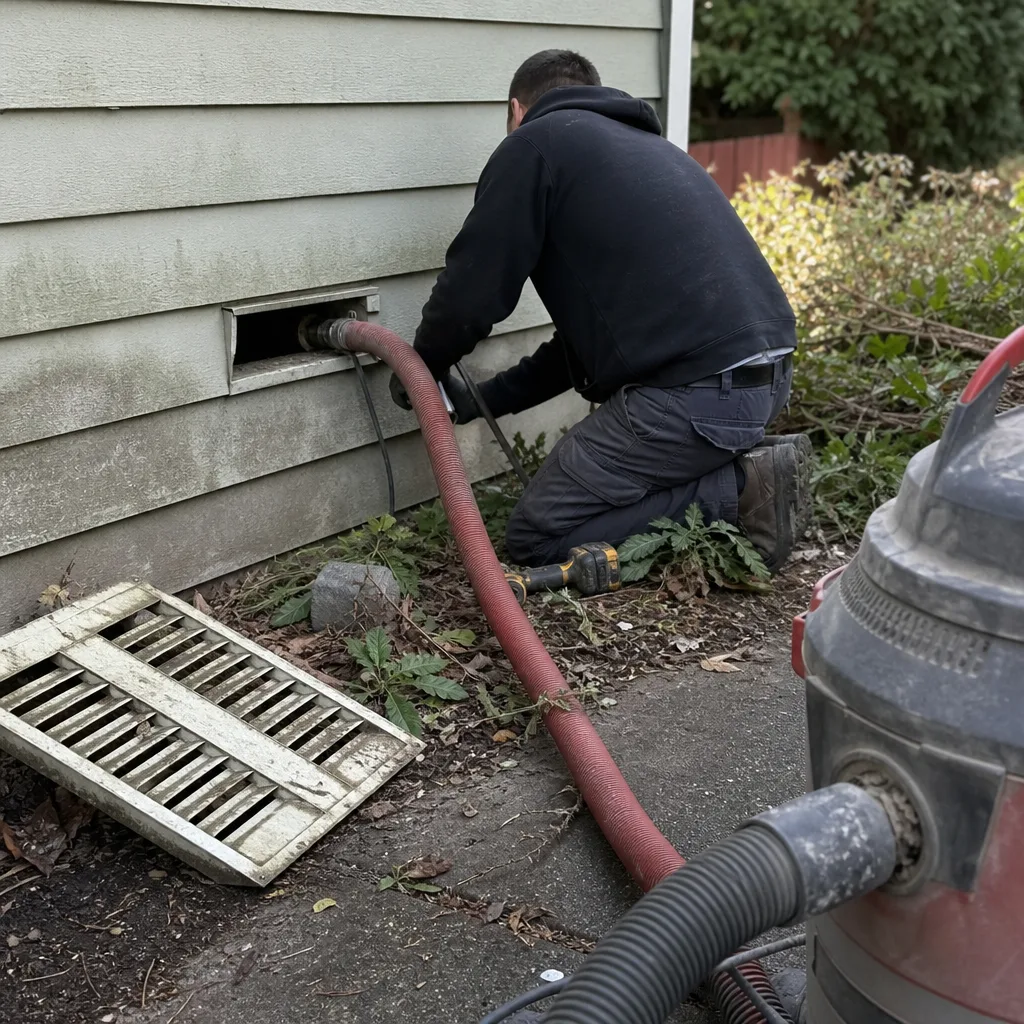
Whole-system duct and dryer vent check with before-and-after photos - you see exactly what came out of your vents
That "$99 whole-house special" is a bait ad - the real number appears once they are in your hallway, or the "clean" is a shop-vac at the register. We photograph the inside of your ducts before and after instead.
Seasonal Air Duct Cleaning Care for Renton: Year-Round Homeowner’s Guide
Most homeowners treat duct cleaning as a once-every-few-years chore, something to schedule when the register grilles look dusty or a coupon shows up in the mail. That approach ignores what actually happens inside a duct system in Renton, where the air that moves through your home changes character four times a year. Eastern Washington wildfire smoke doesn’t just coat outdoor surfaces. Sub-micron particles infiltrate return-air pathways and settle on coil fins and duct walls, where they can influence indoor air and odors long after the fires are out. This guide walks through each season, what it does to your ducts, and how to sequence homeowner checks against professional service.
Styles & brands we work with
- Whole-home duct cleaning
- Dryer vent cleaning
- Camera inspection
- Sanitizing & deodorizing
Quick Answer
Seasonal duct care in Renton means matching the work to what the climate is actually doing: winter moisture control and condensation inspection, spring pollen management on return-side ductwork, summer coil and supply-plenum attention, and a fall inspection for wildfire-smoke residue that reached the duct interior. A full professional cleaning generally fits best in early fall or late spring, with homeowner inspections in between. The goal is a single coherent calendar, not four disconnected habits.
Table of Contents
- Why Renton’s Climate Breaks the National Duct-Cleaning Script
- Winter: Wet Season Condensation and the Mold Window
- Spring: Pollen, Return Ducts, and King County Allergen Loads
- Summer: Coil Cycling, Supply Plenums, and Moisture Downstream
- Fall: Post-Wildfire-Smoke Inspection Protocol
- How to Sequence the Year: A Month-by-Month Framework
- What Professional Equipment Actually Changes
- Common Mistakes to Avoid
- When to Call a Professional
- Frequently Asked Questions
- The Bottom Line
Why Renton’s Climate Breaks the National Duct-Cleaning Script
Most online duct-cleaning advice is written for a generic American climate – a place with one hot season, one cold season, and no meaningful transition between the two. Renton doesn’t work that way. The city sits in a lowland basin between the Cascade foothills and Puget Sound, which means wet, mild winters; a slow spring that drags pollen season out across weeks rather than days; and summers that have increasingly carried smoke plumes from Eastern Washington into the same air that flows through your return grilles.
That combination creates four distinct contamination profiles a year, each with a different remediation priority. A duct system that spends winter collecting condensation and spring pulling in cedar and alder pollen doesn’t need the same treatment in September as it does in February.
Here’s what actually differs by season across Renton neighborhoods like Kennydale, Highlands, Talbot Hill, and Fairwood:
- Winter: Indoor humidity climbs while outdoor temperatures hover near freezing. Poorly insulated flex duct runs in unconditioned attic or crawlspace space become prime condensation surfaces.
- Spring: Cedar, alder, and fir pollen load up on return-side ductwork and filter media. This is the most common driver of elevated indoor allergen counts across King County.
- Summer: Air conditioning runs harder, coils cycle through freeze-thaw patterns, and moisture deposits migrate downstream into supply plenums.
- Fall: Wildfire smoke from Eastern Washington settles into duct interiors, coil fins, and filter housings, often leaving a lingering odor well into October.
In our experience, homeowners who treat these as one continuous system rather than four separate problems end up calling for service less often and getting more out of each visit. That’s the whole thesis of this guide. If you want the full-system overview first, the Renton Air Duct Cleaning Pros service pages cover the entire air pathway.
Winter: Wet Season Condensation and the Mold Window
Renton’s wet season is the single most under-appreciated duct risk in the region. From roughly November through March, outdoor air stays cool and damp, and indoor heating runs continuously. That combination drives moisture into duct interiors in ways most homeowners never see, and the places it happens are surprisingly predictable.
Where condensation forms
Flex duct runs that pass through unconditioned space – attics, crawlspaces, garage ceilings – are the most vulnerable. When warm, moisture-laden air from the living space travels through a duct that isn’t fully insulated against cold attic air, the vapor condenses on the cooler duct wall. Over a season, that condensation wicks into insulation and, in the worst cases, creates standing moisture at low points in the run.
What to look for before mold has a chance to colonize:
- Damp or discolored insulation around duct joints, especially in attic or crawlspace runs
- A musty smell that appears when the heat first kicks on each morning during winter
- Visible moisture or condensation on the exterior of duct runs in unconditioned space
- Water staining on attic sheathing or crawlspace joists near duct paths
- Register grilles that feel clammy or show dark spotting around the edges
Any of these signs warrants a professional inspection. Mold that has colonized the interior of a duct system can’t be reliably addressed with surface cleaning alone, and the source – a poorly insulated or unsealed run – has to be corrected or the problem returns. This is where air duct cleaning combined with duct repair and sealing becomes genuinely useful: the cleaning removes what’s there, and the sealing prevents the moisture from coming back.
What winter maintenance actually involves
Mid-winter is generally not the time for a full professional cleaning, unless you’ve found active mold or a moisture problem. It is the right time for a homeowner inspection of accessible duct runs, filter checks, and humidity monitoring. If you have a Honeywell or Aprilaire humidifier or filtration unit tied into your HVAC system, winter is when those components need attention too – and when we clean a system with that equipment installed, we match the cleaning to it rather than treating it as a generic setup.
Spring: Pollen, Return Ducts, and King County Allergen Loads
Spring in Renton produces an allergen load that surprises people moving in from other parts of the country. Cedar, alder, and fir release pollen in overlapping waves across March, April, and May, and the pollen doesn’t just land on your car. It gets pulled into the return-air side of your duct system every time the HVAC fan runs.
Why return ducts take the hit
Supply ducts push filtered, conditioned air into rooms. Return ducts pull air back. That difference matters: return ducts are on the intake side of the system, which means they’re the first thing outdoor pollen reaches when a door or window opens or when a return grille sits near an entry.
Over a spring season, return duct interiors accumulate fine pollen dust that clings to duct walls and filter housings. It’s not visible from the register, but it is measurable – indoor allergen counts in King County homes typically peak in late April and early May, not because the outdoor pollen is at its highest, but because the accumulated indoor load has had time to build.
What you’ll typically notice during spring:
- Sneezing or eye irritation that gets worse indoors and eases outdoors
- A light dust film on horizontal surfaces a day or two after cleaning
- Filters that load up faster than expected, sometimes within three or four weeks
- A faint earthy or grassy smell from return grilles
Spring is also a good window for a professional cleaning if winter moisture issues were addressed. Cleaning the return side during peak pollen season isn’t ideal – you’d rather clean after the season settles – but if the accumulated load is causing real symptoms, cleaning now followed by a late-spring recheck works better than waiting for fall.
Summer: Coil Cycling, Supply Plenums, and Moisture Downstream
Renton summers have warmed meaningfully over the past decade, and more homes now run air conditioning through July and August than did twenty years ago. That shift has introduced a summer duct problem a lot of residents didn’t have to think about before: moisture deposited by air conditioning equipment and left behind in the supply plenum.
How freeze-thaw cycling deposits moisture
When an AC system runs hard in warm, humid outdoor conditions – which Renton does see on the hottest afternoons – the evaporator coil can drop below the dew point and condense moisture out of the return air. That’s normal and by design; the condensate drains away. What isn’t normal is when the system cycles rapidly (short-cycling from a thermostat set too low, a dirty filter, or a refrigerant charge issue), causing the coil to run cold, drop condensate, and warm back up repeatedly.
Each cycle leaves a thin moisture film on the coil, and over time moisture migrates downstream into the supply plenum. That moisture is the exact environment where biological growth – including mold – starts. It also degrades the efficiency of the coil.
Signs to watch for in summer:
- Cooling that feels weaker in some rooms than others
- A musty smell that appears when the AC kicks on
- Water stains or rust at the base of the air handler or supply plenum
- Visible moisture or condensate pooling near the furnace or coil cabinet
Summer is the right time for a professional HVAC cleaning during which the coil, blower, and supply plenum are all inspected. Cleaning the coil without addressing the plenum doesn’t fully solve the problem; both are part of the same air pathway, and both should be covered in a single visit.
If you have an Aprilaire filtration unit or a Honeywell media cabinet installed, summer is also the right time to verify it’s sized and running correctly, because a mismatched filter setup contributes to the very short-cycling that deposits the moisture in the first place.
Fall: Post-Wildfire-Smoke Inspection Protocol
Wildfire smoke from Eastern Washington is the seasonal issue Renton homeowners most often misdiagnose. A hot summer pushes smoke plumes over the Cascades, and while the visible smoke clears from the outdoor air within days, the fine particulate matter – sub-micron particles that bypass most furnace filters – settles into return-air pathways, coil fins, and duct walls. Once there, it can influence indoor air and lingering odors for months.
Did smoke actually reach the duct interior?
This is the question worth getting right. Not every smoky day results in duct contamination. The way to tell involves a sequence of checks, and a homeowner can do the first two:
- Check the filter. A furnace filter that’s visibly gray-brown and dark on the intake side after a smoke event indicates particulate reached the return side. A filter that looks normal suggests the smoke stayed surface-level.
- Smell the return grille. If there’s a smoky, acrid, or burnt smell at the return grille when the system fan runs, particulate has likely penetrated past the filter. If the smell is only outdoors, the interior was probably spared.
- Schedule a professional inspection. A technician can scope the return and supply plenum, inspect the coil, and confirm with visual evidence whether interior surfaces are affected.
- Clean only if confirmed. Cleaning a duct system “just in case” is a waste of money. Cleaning when particulate has settled means it comes out before it can continue off-gassing.
In our experience, the telltale sign is usually the coil. Fin surfaces in the return side tend to capture fine smoke particulate better than duct walls do, so a scoping of the coil and plenum is often the fastest way to confirm whether a post-smoke cleaning is warranted.
Fall is also the best window for a full professional cleaning in general, because the system is between seasons and can be cleaned thoroughly without competing with heating or cooling demand. If a smoke event did deposit particulate, cleaning in September or early October removes it before the furnace starts running daily and starts distributing it. This is also a natural point to address dryer vent cleaning – the same “what’s actually in this pathway” logic applies, and dryer vents are the other air pathway in a Renton home that quietly accumulates material.
How to Sequence the Year: A Month-by-Month Framework
Renton’s climate makes a clean split possible between what homeowners can check and what needs professional service. Here’s the framework we recommend.
Homeowner inspection months
- November through January: Check accessible duct runs in attic or crawlspace for moisture or discolored insulation. Replace filters every 4-6 weeks. Watch for condensation at duct joints.
- March through April: Replace filters more frequently during peak pollen. Wipe return grilles. Note any allergy symptoms that worsen indoors.
- July through August: Watch for weak cooling, musty smells at start-up, and visible moisture near the air handler. Check condensate drain lines for blockage.
- September through early October: After a wildfire smoke event, inspect the filter and smell the return grille. Both checks take five minutes.
Professional service months
- Late September through October: Best window for a full-system cleaning. Coil, plenum, and ductwork can all be inspected and cleaned without competing with peak heating or cooling demand.
- Late April through May: Second-best window, after pollen season settles. Good for homes that missed the fall window or that need follow-up after a moisture issue.
- Any month, if a specific problem is found: Active mold, musty odors, moisture signs, or confirmed smoke infiltration are reasons to schedule regardless of season.
The idea is to keep the expensive work in the two quiet windows and the cheap work (filter changes, visual checks) distributed through the rest of the year. That sequencing alone saves more than scheduling a cleaning every time something feels off.
What Professional Equipment Actually Changes
The gap between a generalist HVAC company running a shop vac attachment and a specialist duct-cleaning service comes down to equipment, and it’s worth knowing what’s on the truck before you book.
Rotobrush and Nikro make purpose-built duct cleaning systems used by certified indoor air quality contractors. They combine a brush-and-vacuum head that reaches the full length of a duct run with a powerful negative-pressure extraction unit. Consumer and contractor shop vacs don’t have the airflow or containment to pull settled particulate out of a duct without stirring it into the room.
Abatement Technologies equipment matters for a different reason: negative-pressure containment. When a duct system is cleaned, particulate that’s been loosened has to go somewhere, and without negative pressure holding it inside the system, some of it ends up in the living space. Most residential duct cleaners skip this step entirely because it requires equipment that consumer tools can’t replicate.
For homes with Honeywell or Aprilaire IAQ equipment already installed, working with a company that knows those product lines matters – cleaning has to be done around filtration media, humidifier components, and duct-mounted sensors without damaging them. For sanitizing and treatment, Guardsman-grade protection products are used as part of the process.
And because duct repair and sealing is offered alongside cleaning, problems found during the visit – a disconnected run, a crushed flex duct, a leaking joint – can be addressed before the equipment leaves the driveway. “Repair what we find, on the same visit” is a practical convenience, not a marketing line. It also prevents a second call to a different contractor who won’t know how the system was cleaned.
Our technicians have up to 12 years of experience, and we clean the whole air pathway – supply, return, HVAC unit, and dryer vent. Every job starts with before-and-after photos of your own system, so you can see what’s inside your system rather than take anyone’s word for it.
Common Mistakes to Avoid
- Cleaning “just in case” after every smoke event. Not every smoky day reaches the duct interior. Run the filter-and-sniff check in fall before scheduling; cleaning a system that wasn’t affected wastes money and can loosen particulate that was fine where it was.
- Ignoring filters through the wet season. Renton winter humidity means filters can hold moisture and become a growth surface themselves. Change them on schedule even when they look clean.
- Cleaning ducts in spring before addressing winter moisture. If there’s a condensation issue in an attic flex run, cleaning the ducts without fixing the insulation just makes the problem come back by the next wet season.
- Assuming the return side is being cleaned. Many “duct cleaning” visits only touch the supply registers because they’re easiest to reach. Insist on supply, return, coil, and plenum.
- Diagnosing a musty smell as “just the ducts” without checking the coil. Supply plenum moisture from AC short-cycling is a common source of indoor mustiness, and cleaning ducts alone won’t fix it.
- Skipping duct repair after cleaning. Compromised runs – disconnected, crushed, or leaking joints – reintroduce dirt and moisture. Repair and sealing on the same visit prevents a repeat cleaning next year.
- Scheduling around peak season because it’s convenient. The two quiet windows (September-October and late April-May) are usually easier to book and produce a better clean because the system isn’t running hard during the visit.
When to Call a Professional
Most seasonal duct care in Renton is homeowner work – filter changes, visual inspects, humidity checks. The point where a professional is worth calling is specific, not general. Call when you find any of the following: visible mold or dark spotting inside a duct or on a register grille; a musty odor that appears at system start-up and doesn’t clear; moisture or water staining in an attic, crawlspace, or near the air handler; a lingering smoky smell at a return grille after a wildfire event; weak airflow or a persistent dust film that returns faster than expected; or confirmed duct damage such as a disconnected or crushed run. Any of these is worth a professional inspection, because the cause behind the symptom usually isn’t where the symptom shows up. Renton Air Duct Cleaning Pros offers free estimates in Renton – call (888) 423-4218. We answer 24/7. Fast dispatch from 7am to 7pm, Sunday through Friday.
Frequently Asked Questions
For most Renton homes, a full professional cleaning every three to five years fits the climate, with an additional cleaning after any significant wildfire smoke event that pushed particulate into the duct interior. Homes with pets, allergy sufferers, or recent renovation work usually need it closer to every two to three years. Seasonal homeowner checks in between are what make the interval predictable. Call (888) 423-4218 for an exact quote on your system – estimates are free.
No. A musty smell in winter usually points to condensation forming inside a poorly insulated duct run, often in an attic or crawlspace section. That moisture is the exact environment where biological growth starts, and it gets worse the longer it sits. Have the run inspected rather than waiting for spring; moisture issues tend to compound through the wet season. Call (888) 423-4218 to schedule an inspection.
Maybe, and it’s worth checking rather than assuming either way. Look at the intake side of your furnace filter – a dark gray-brown film after a smoke event usually means particulate reached the return side. Then smell the return grille with the system fan running. A smoky, acrid smell at the grille suggests particulate has passed the filter; only an outdoor smell means the interior was likely spared. A professional scope of the return plenum and coil confirms it. Call (888) 423-4218 for a free inspection.
Cheap quotes usually skip the return side, the coil, and the plenum – the three places contamination actually accumulates in a Renton home. They may also use consumer-grade vacuums without negative-pressure containment, so loosened particulate ends up back in the room. Ask any company which equipment they use and which parts of the system their price covers before booking. Our quote includes supply, return, coil, and plenum, with before-and-after photos of your own system. Call (888) 423-4218.
Ask for before-and-after photos of your own duct interior, taken during the visit. Photos of someone else’s system or staged marketing images don’t tell you anything. We photograph every job so you can see the actual condition of the runs we clean. If a company won’t document the work, that’s a reason to call someone else. Call (888) 423-4218 to book a visit with photos included.
Cleaning removes accumulated cedar, alder, and fir pollen from return-side ductwork and filter housings, which is the most common driver of elevated indoor allergen counts in King County. It doesn’t eliminate the outdoor pollen, but it removes the indoor reservoir that keeps symptoms going after outdoor counts drop. Timing matters – cleaning after pollen season settles is better than mid-season. Call (888) 423-4218 for a free estimate.
The Bottom Line
Renton’s duct season calendar doesn’t look like the national recommendation. Winter is about moisture and insulation, spring is about pollen on the return side, summer is about coil moisture and plenum contamination, and fall is about verifying whether wildfire smoke actually reached the duct interior. The two quiet windows for professional service – late September through October and late April through May – produce better results than peak-season bookings. Everything else is homeowner work: filter changes, visual checks, and small observations that tell you when it’s time to call.
Air you can measure, not just feel, is the standard we work to. Call (888) 423-4218 for a free estimate. We answer 24/7, with fast dispatch from 7am to 7pm, Sunday through Friday.
Written by the team at Renton Air Duct Cleaning Pros.
See the difference
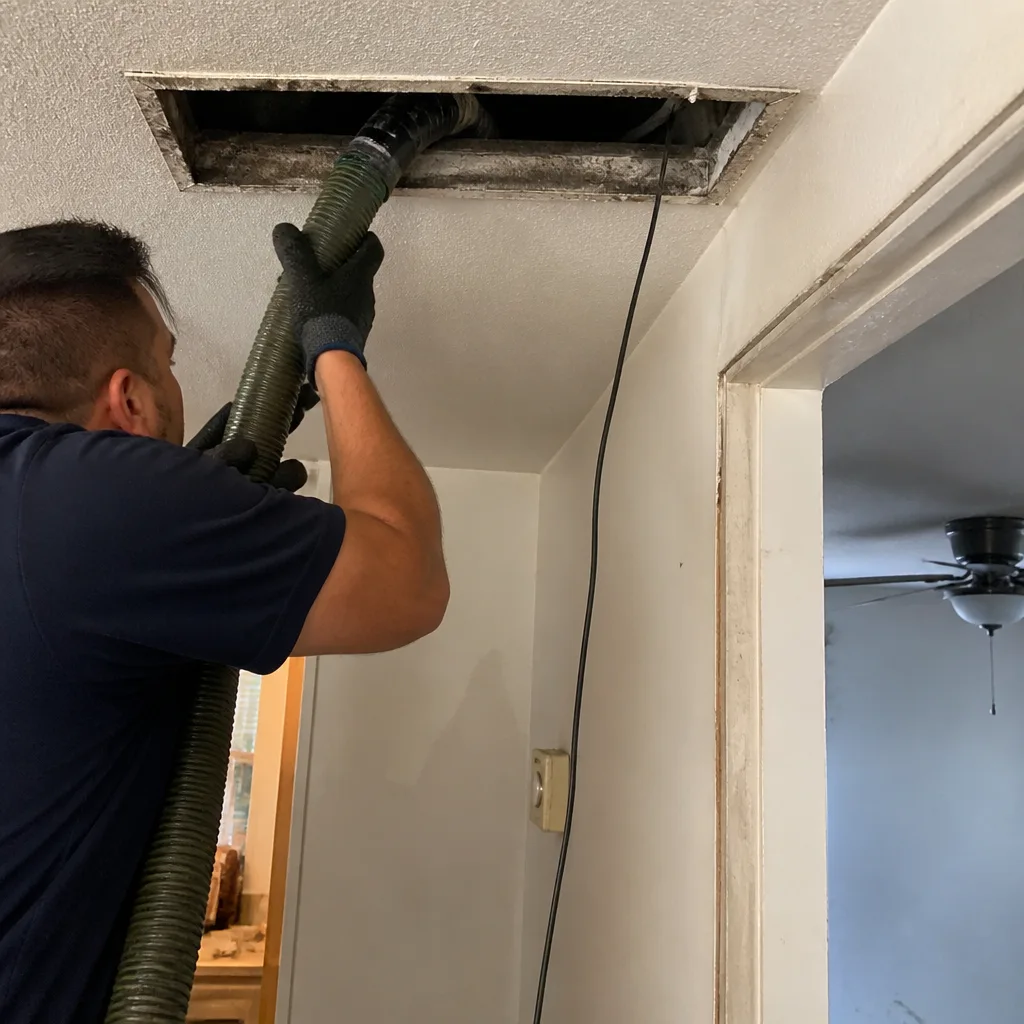 Before
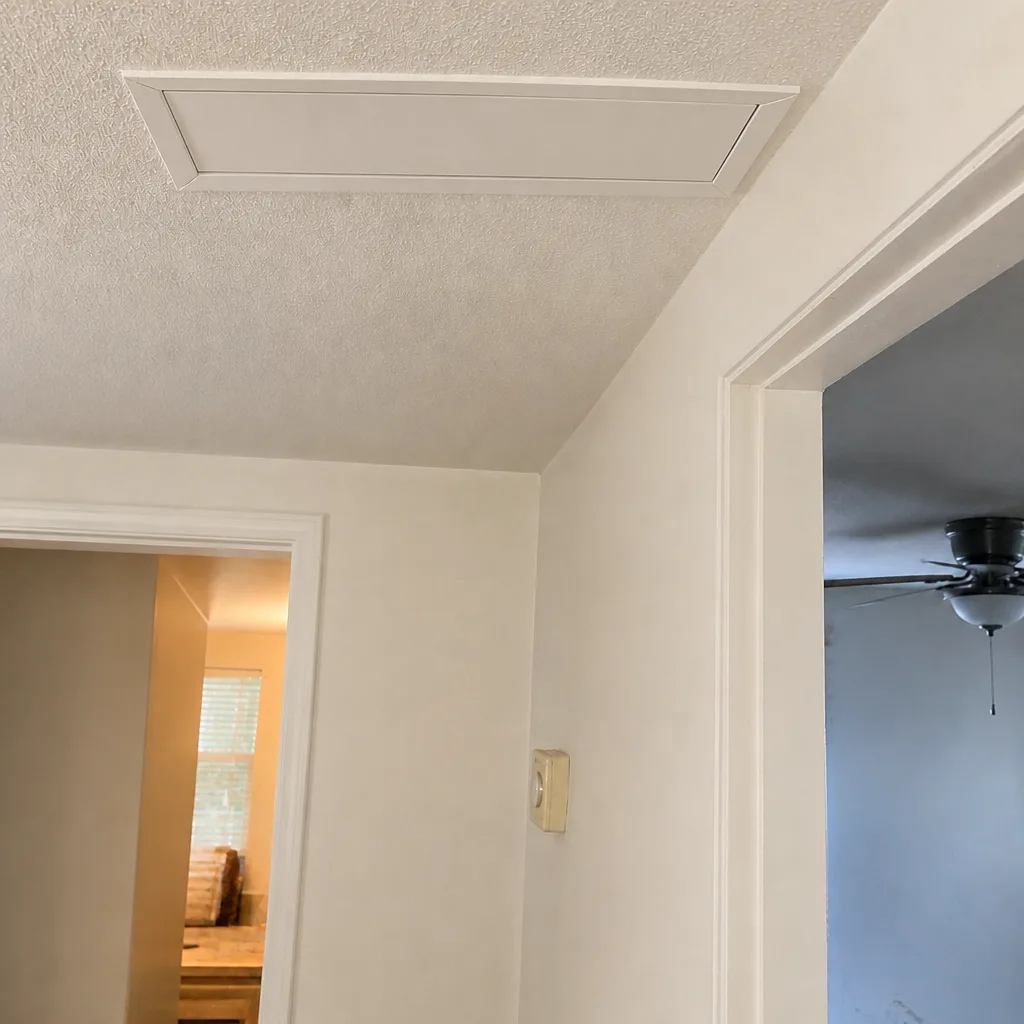 After
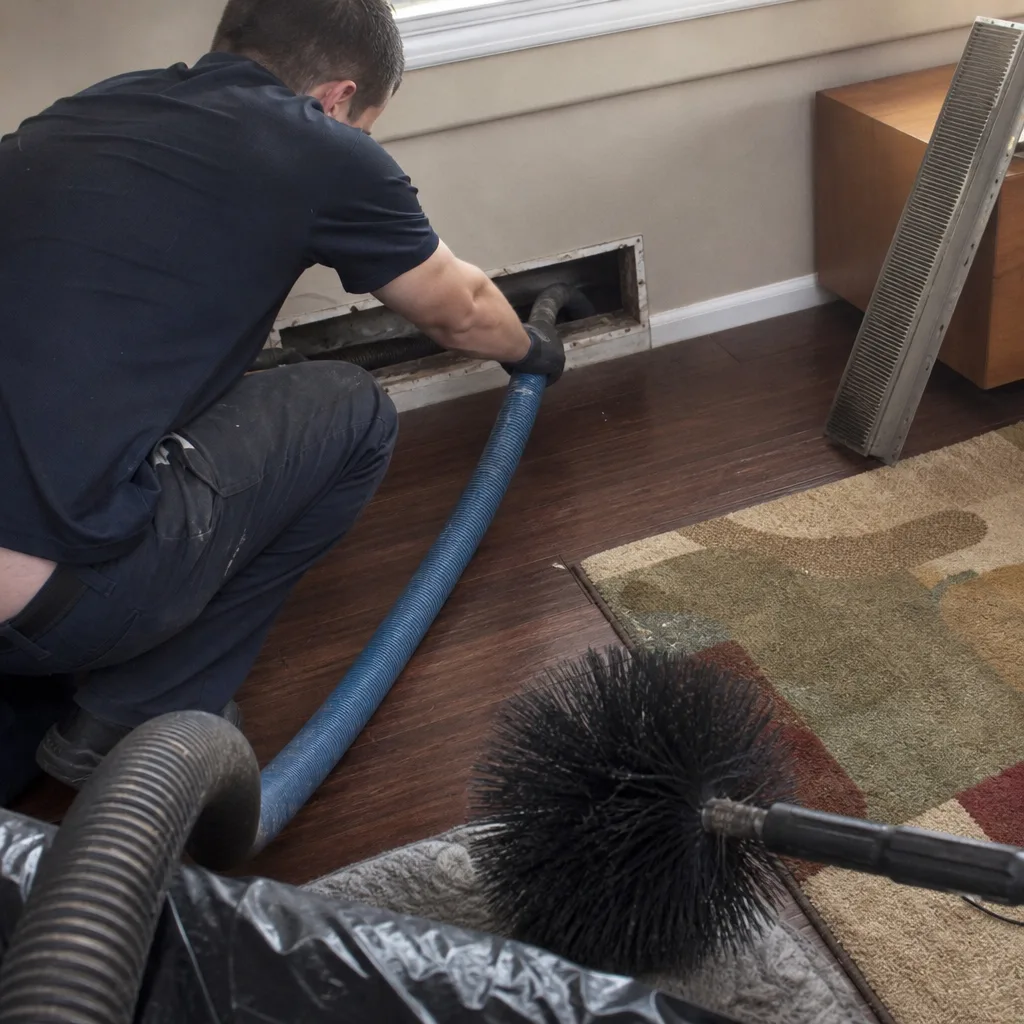 Before
 After
 Before
 After