
Last updated November 25, 2026
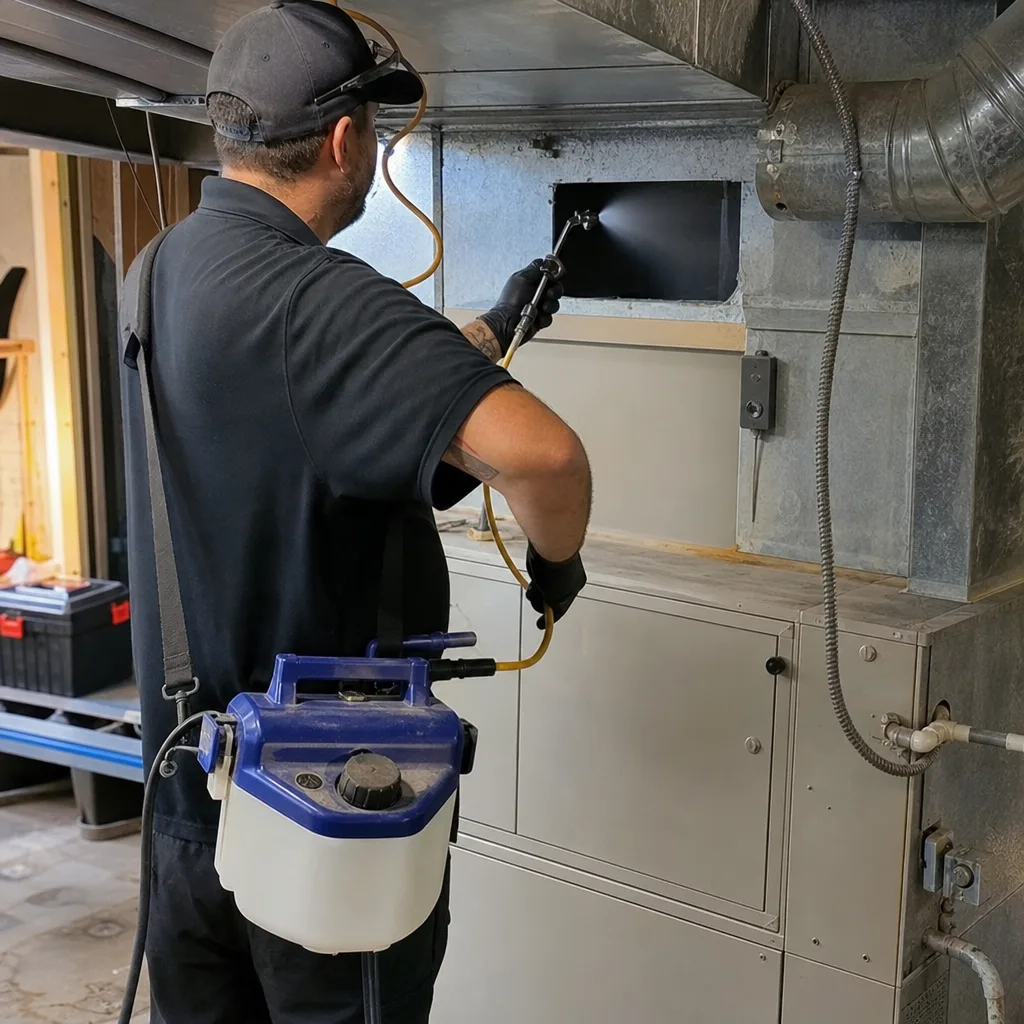
 Whole-home duct cleaning
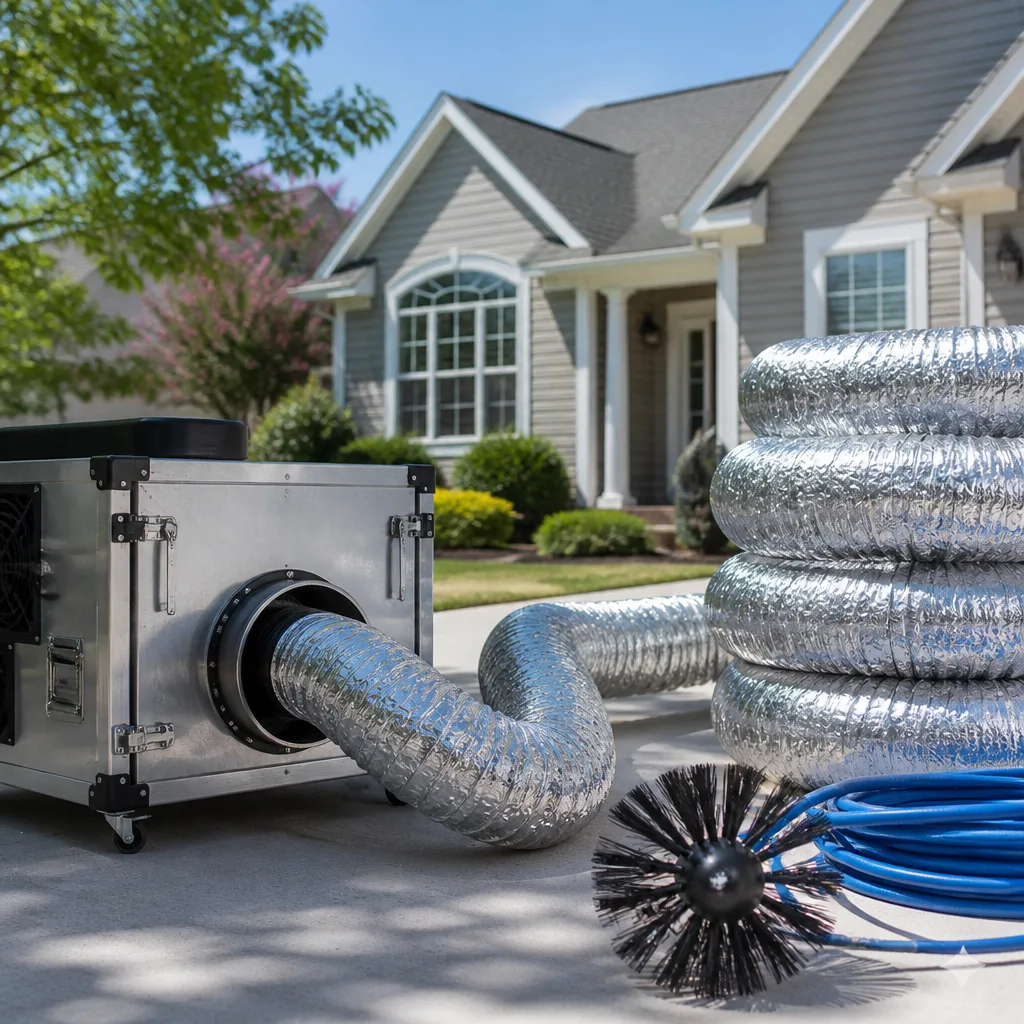
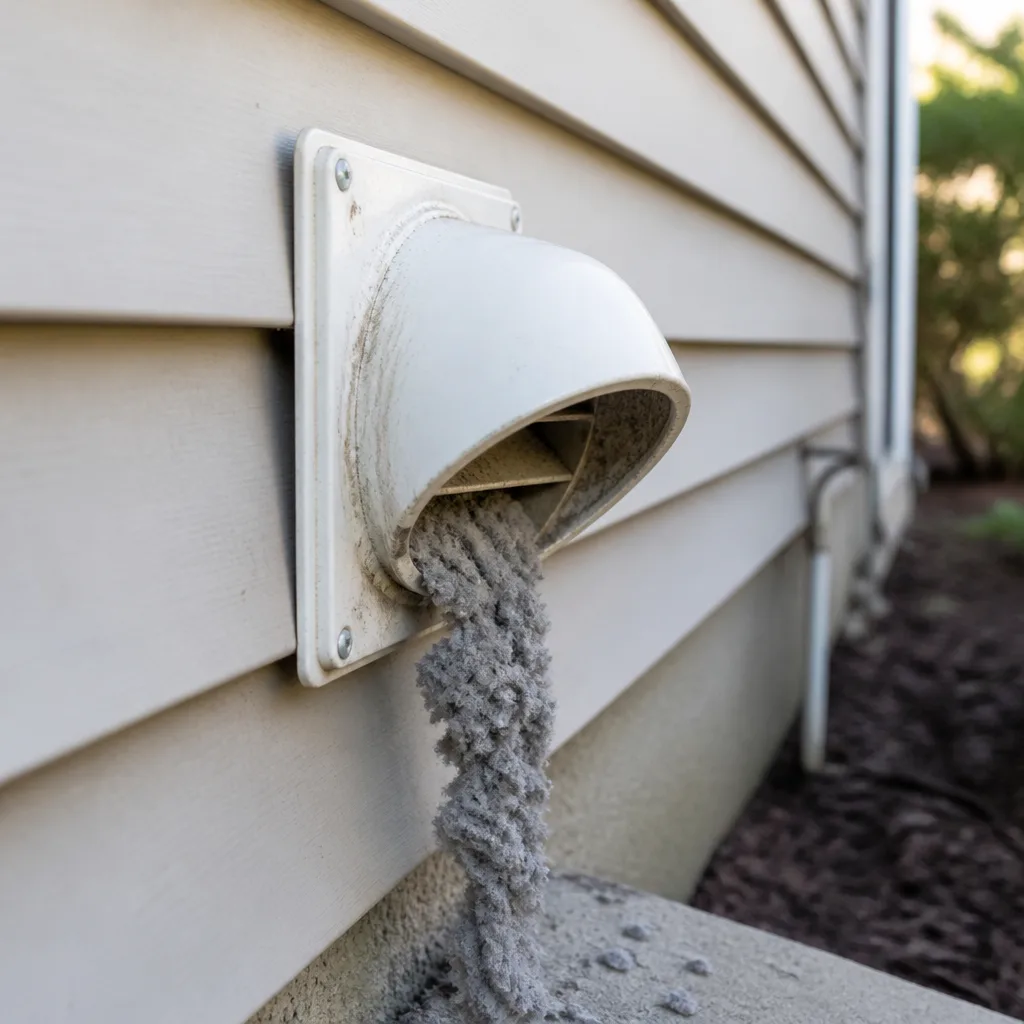 Dryer vent cleaning
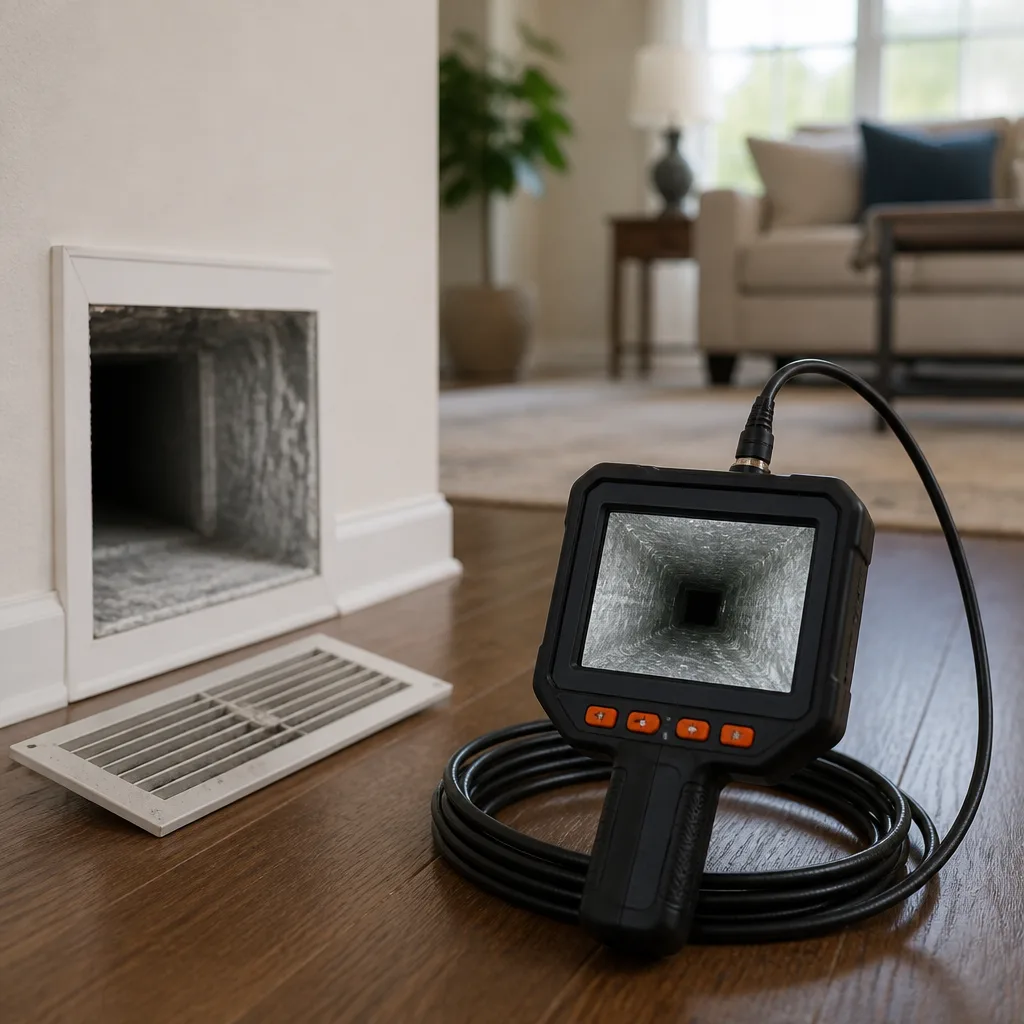 Camera inspection
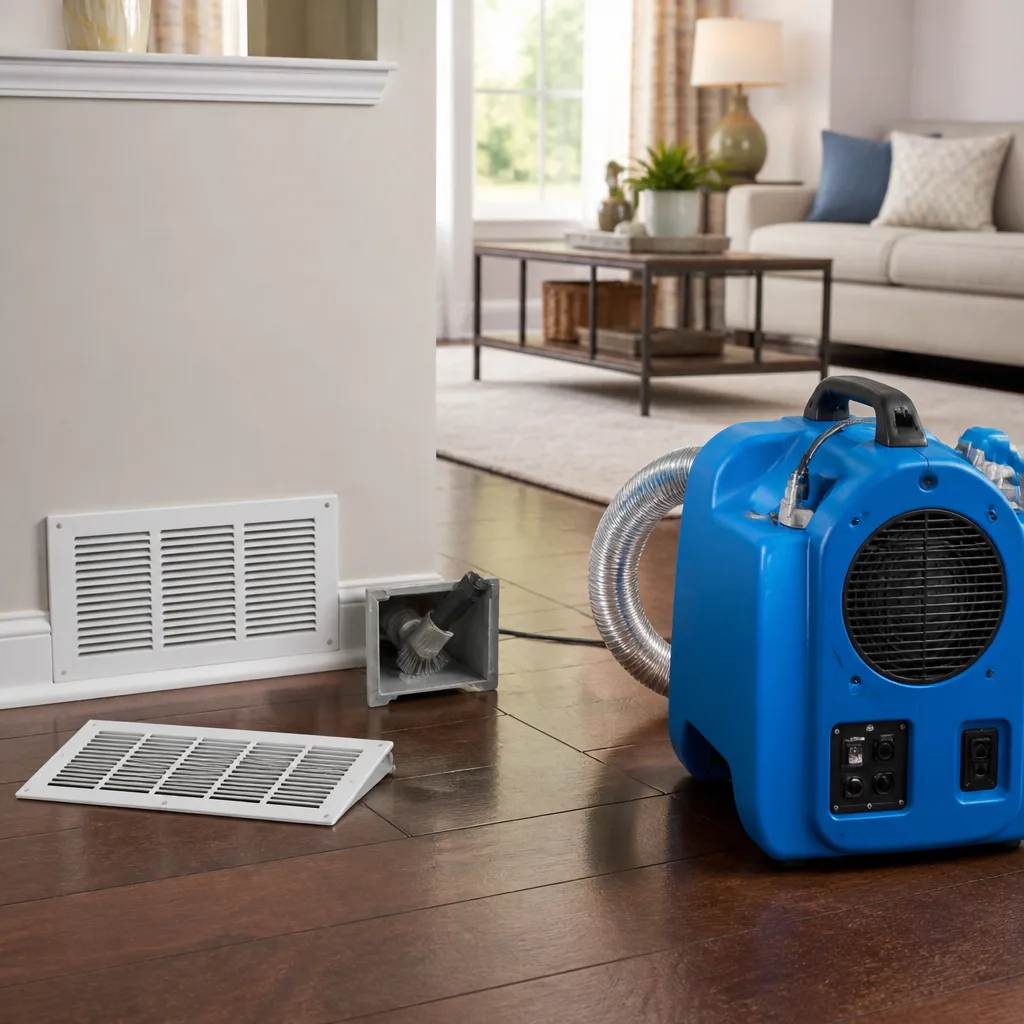 Sanitizing & deodorizing
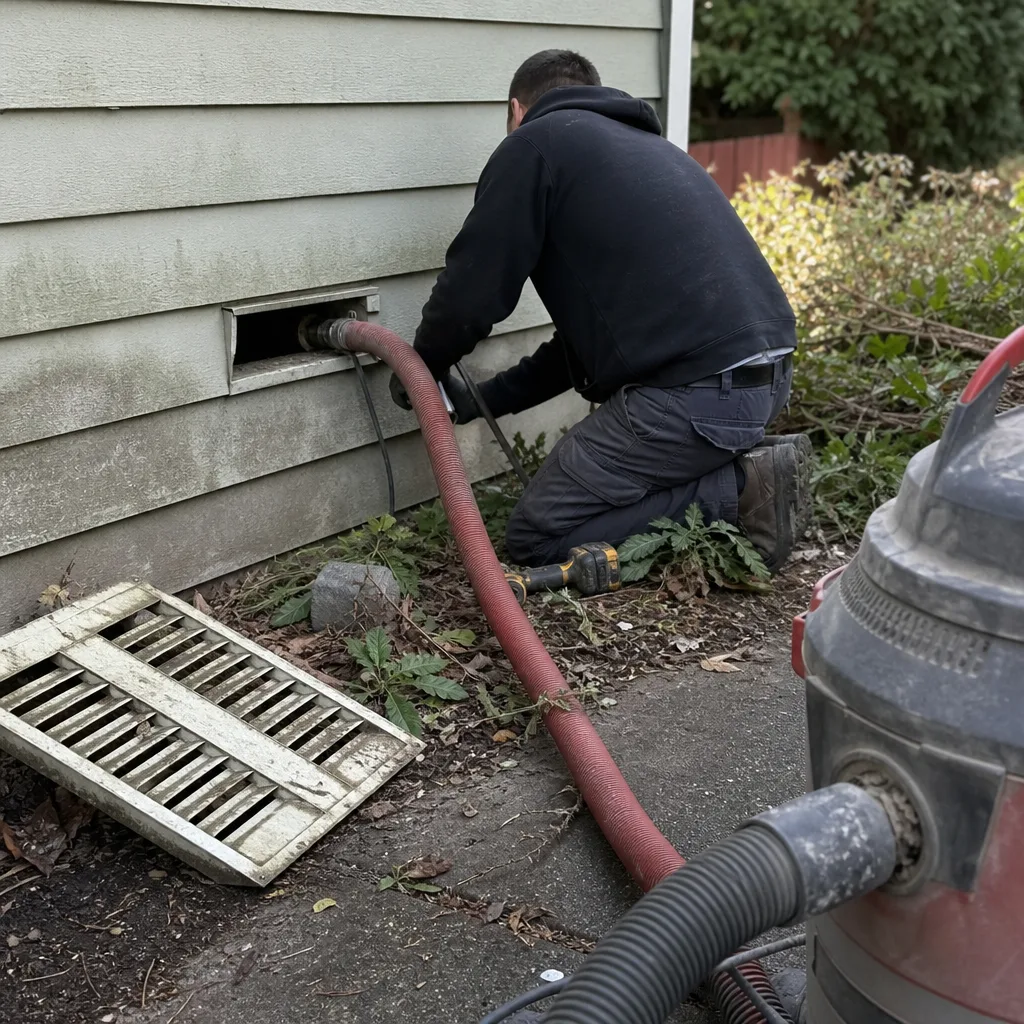
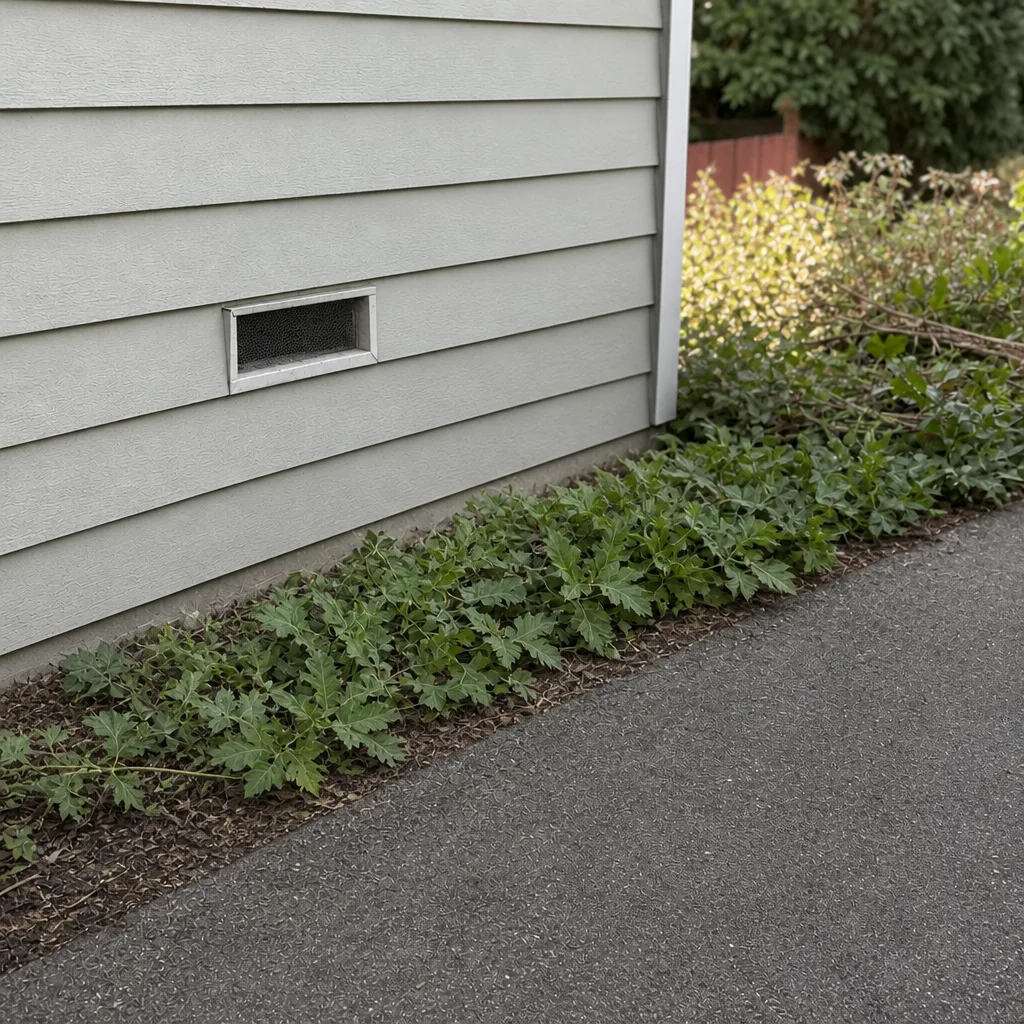
Whole-system duct and dryer vent check with before-and-after photos - you see exactly what came out of your vents
That "$99 whole-house special" is a bait ad - the real number appears once they are in your hallway, or the "clean" is a shop-vac at the register. We photograph the inside of your ducts before and after instead.
Air Duct Cleaning Maintenance Checklist for Renton Homeowners
Changing your filter on schedule feels responsible. But a filter that loads unevenly and collapses inward can dump a season’s worth of captured debris straight into the blower housing – a failure mode no generic maintenance reminder will warn you about. The filter looked fine from the outside. The problem was happening at the edges, in the bypass gap, where air was slipping past the media entirely. That’s the thing about ductwork: the failures that matter are usually invisible until something else breaks. This guide gives Renton homeowners a diagnostic rhythm built around what you can actually observe, not arbitrary calendar intervals.
Quick Answer
A workable duct maintenance checklist for a Renton home has three layers: a monthly visual pass at your registers, return grilles, and filter slot; a seasonal check tied to local triggers like wildfire-smoke events, renovations, and winter humidity in the Cedar River flood plain; and a professional inspection when your observations cross specific thresholds – not on a fixed “every three to five years” schedule. The point is to watch for conditions that accelerate contamination so you catch them before they need expensive remediation.
Styles & brands we work with
- Whole-home duct cleaning
- Dryer vent cleaning
- Camera inspection
- Sanitizing & deodorizing
Table of Contents
- The Monthly Visual Pass: What to Look For
- Reading Filter Loading Patterns
- Renton-Specific Triggers to Add to Your Checklist
- Logging System Observations Over Time
- When to Escalate From Homeowner to Professional
- A Seasonal Calendar for Renton Ductwork
- Common Mistakes to Avoid
- When to Call a Professional
The Monthly Visual Pass: What to Look For
Fifteen minutes once a month covers more ground than most homeowners expect. You’re not opening the system or reaching into ductwork – you’re looking at the surfaces where the system talks to your living space. Those surfaces tell you a lot about what’s happening deeper in.
- Registers and supply grilles. Shine a light into the slot. A thin film of dust is normal. A visible dark ring, fuzzy growth, or streaks running along the blades suggest moisture or heavy loading further upstream.
- Return grilles. These pull the most air and collect the most debris. Look at the grille face and the wall around it. Dark smudges on the surrounding drywall point to air escaping around a loose seal.
- The filter slot. Pull the filter and look at the frame, not just the media. Gaps at the edges are bypass paths. Check for sagging or bowing in the filter itself.
- Around the air handler. Look at the floor and the cabinet seams for dust trails or staining. Dust accumulating at a seam means air is moving where it shouldn’t.
- Odd smells. Notice any musty, dusty, or sharp odor when the system starts. Smell is data, and it belongs in your log.
What you’re doing is building a baseline. A register that has looked the same for six months is fine. A register that has visibly darkened in three weeks is telling you something changed. In our experience across Renton homes, that kind of change usually traces back to an event – a renovation, a nearby wildfire smoke episode, or a filter that stopped sealing properly.
Reading Filter Loading Patterns
Where a filter collects dust is as informative as how much it collected. Most people pull a filter, see it’s grey, and swap it. That’s fine. But the pattern on the media tells you whether your system is sealing correctly.
- Even loading across the whole face. This is the good outcome. Air is passing through the media rather than around it, and the filter is doing its job. Replace per the manufacturer’s interval.
- Center-heavy loading with clean edges. Air is flowing through the middle but the perimeter isn’t being used. Often a sign of a filter that’s slightly undersized for the slot, or a frame that doesn’t seat flush. Bypass air is carrying dust past the filter and into the blower.
- Edge-heavy loading with a clean center. Less common, and usually points to a restriction in the return path or a filter that’s bowed inward. If the filter collapses toward the blower, the pleats can dump what they’ve collected downstream. That’s the failure this guide opened with, and it’s worth watching for every time you check.
- Rust or dark rings at the frame. Moisture is in the return plenum. That’s a signal to escalate – biological growth in ductwork is not a homeowner fix.
Write down the pattern each time you change a filter, even just “even loading” or “edges clean, center dark.” Two or three changes of notes gives a technician useful context before they’ve opened anything. It beats starting blind.
Renton-Specific Triggers to Add to Your Checklist
A maintenance checklist written for a dry climate misses most of what matters here. Renton sits in a particular pocket: summer wildfire smoke drifts in from the mountains, the rainy season pushes indoor humidity up, and the Cedar River flood plain holds moisture longer than surrounding higher ground. Each of those has a duct-system consequence.
Post-wildfire smoke events
After a significant smoke episode, treat it as a maintenance event rather than waiting for your normal filter interval. Smoke carries fine particulates that load filter media fast, and it leaves odor compounds behind in the system. Check the filter within a few days of the smoke clearing. If the media has visibly darkened or the system has taken on a smoky smell, that’s an escalation trigger – see the threshold section below.
Post-renovation
Any project that creates dust – drywall, sanding, flooring, cabinet work – pushes fine particles into the return path. Sealing off returns before work starts helps, but it’s rarely done perfectly. Run the system after the work is finished and check the filter within a week. Renovation dust is one of the most common reasons we see premature duct loading in Renton homes.
Winter humidity in the Cedar River flood plain
Homes in lower-lying parts of the city – near the river and below the surrounding ridges – tend to hold higher indoor humidity through winter. That matters because dust that stays damp becomes a medium for biological growth. Watch for musty odor, condensation at registers, or any visible dark spotting inside the duct slot. If you already run a Honeywell or Aprilaire humidity control system, check that it’s holding your target level; a system cleaning matched to your equipment is easier when the humidity control is doing its job.
- Check filter within a few days of a wildfire smoke event.
- Check filter one week after any dust-producing renovation.
- Check humidity levels and register surfaces through winter, especially at lower elevations.
- Note any new odor after each of these triggers.
Logging System Observations Over Time
A log turns scattered notes into a diagnostic record. It doesn’t need to be elaborate – a note on your phone or a paper taped inside a closet door works. What matters is consistency and the details a technician can actually use.
- Date each entry. Triggers and observations only mean something against a timeline.
- Note the filter change and pattern. “Changed filter, even loading” or “changed filter, center dark, edges clean.”
- Record any trigger event. Wildfire smoke, renovation, a plumbing leak, a new pet, a move-in. These are what accelerate loading.
- Note what you saw at registers. “Return grille in hall slightly darker this month” is a useful entry.
- Record smells and when they occur. At startup, during heat, during cooling – the timing narrows the cause.
- Note any HVAC servicing. When the unit was last serviced and what was done. It’s context for the next conversation.
When a technician arrives, they’ll be able to see the current state – but they can’t see the last six months. A log fills that gap. It also makes a genuine difference when you’re deciding between a routine service and a deeper investigation. We’d rather walk into a home with a few months of notes than guess. If you’re not sure what to record, the team at Renton Air Duct Cleaning Pros can tell you what observations are actually useful during a walkthrough.
When to Escalate From Homeowner to Professional
“Every three to five years” is the guidance most sites repeat, and it isn’t useful on its own. Some homes in Renton need attention sooner than that. Others are fine longer. What you want are specific thresholds you can actually observe – conditions where the smart move is to stop maintaining and start investigating.
- Visible growth or dark spotting inside any accessible duct surface or at the air handler. Biological growth is not a homeowner fix.
- Persistent musty or dusty smell through the whole house that doesn’t clear after a filter change.
- Filter loading that changed suddenly – where the pattern or pace of loading shifted dramatically without a clear cause.
- Dust returning fast after cleaning. If you’ve just had a filter replaced and the house is dusty again in a week or two, the system may be leaking or bypassing.
- A filter that collapses inward or shows a heavy edge-load pattern. Bypass means debris is getting past the filter. Worth a professional look.
- Unexplained energy bill creep if your filters and thermostat are otherwise in order. Restricted airflow is one cause among several.
- A renovation or wildfire-smoke event after which the system just doesn’t smell or feel the same.
If any two of those overlap, that’s a clear signal. A professional inspection isn’t a commitment to cleaning – it’s a look at the actual condition of your system so you can decide. See what’s inside your system before anything gets cleaned, and you’ll know exactly where you stand.
A Seasonal Calendar for Renton Ductwork
A seasonal rhythm helps, but treat it as a prompt to check, not a rule about when to clean. The local triggers above can push any of these forward.
- Late winter: indoor humidity check. Rainy season is at full strength. Check registers, note any musty odor, verify your humidity control is holding. This is also a good time to inspect the filter slot for moisture signs.
- Spring: filter and return grille review. Heating season is ending. Change filters, note the loading pattern, do a full visual pass at every register.
- Summer: wildfire-smoke watch. Keep filters on hand and check within days of any smoke event. Note odors and darkening.
- Fall: pre-heating-season check. Full visual pass, filter change with pattern notes, and a look at the air handler for dust trails. This is also the season for any planned renovation, so mark the calendar to check the system a week after the work is done.
Professional service – air duct cleaning, HVAC cleaning, sanitizing, or repair – fits in wherever your observations say it’s needed. Our technicians have up to 12 years of experience and can read your log alongside the actual condition of the system. Duct repair found during an inspection can usually be handled on the same visit, which is why we offer it as a core service rather than an upsell.
Common Mistakes to Avoid
- Treating “every three to five years” as the whole checklist. Fixed intervals miss the events – smoke, renovation, humidity spikes – that actually accelerate loading. Watch the system, not just the calendar.
- Replacing filters without looking at the pattern. A filter’s loading pattern tells you about bypass, restriction, and seal integrity. Swapping without looking throws away useful information.
- Pushing a filter into a slot that doesn’t fit flush. A gap at the edge is a bypass path. Debris goes around the filter instead of through it, which is worse than a slightly dirty filter.
- Running the system during a renovation without protecting the returns. Sealing returns before dust gets into the air is much easier than dealing with the loading afterward.
- Ignoring a musty smell and assuming it will clear. In a Renton winter, damp conditions persist. A smell that doesn’t clear after a filter change is an escalation signal.
- Skipping the log because it feels like overkill. A technician can’t see what your system has been doing for the last several months. A few notes close that gap.
- Assuming a cheap quote means a thorough job. Duct cleaning done without proper negative-pressure containment or professional-grade equipment can redistribute debris as easily as remove it. Ask what equipment a company uses – Rotobrush, Nikro, or Abatement Technologies equipment is a meaningful answer. A modified shop vac is not.
When to Call a Professional
Call a professional when your observations cross a threshold rather than at a fixed interval. Visible growth inside ductwork, a musty smell that persists after a filter change, a filter that keeps collapsing, a renovation or smoke event that visibly changed the system, or repeat cleaning that doesn’t seem to stick – those are all signs the system needs eyes on the inside, not just a filter swap.
A professional inspection is diagnostic first. You’ll see what’s actually there, and if cleaning, sealing, or sanitizing is warranted, you’ll get a clear picture of why. Our equipment – Rotobrush and Nikro cleaning systems, Abatement Technologies containment, Guardsman-grade sanitizing products, with familiarity across Honeywell and Aprilaire systems – is sized for residential ductwork, which matters for a job that needs to be done properly rather than quickly.
Renton Air Duct Cleaning Pros offers free estimates in Renton – call (888) 423-4218. We answer 24/7. Fast dispatch from 7am to 7pm, Sunday through Friday.
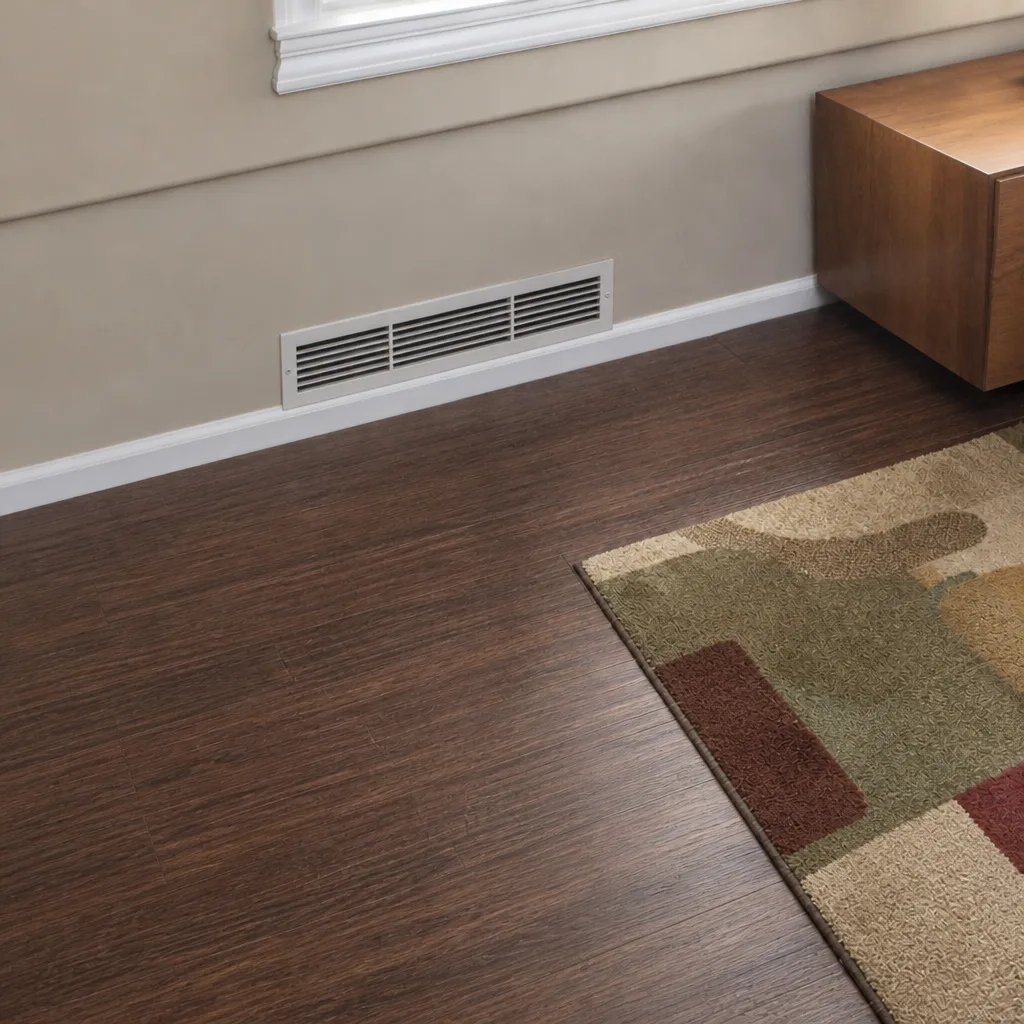
See the difference
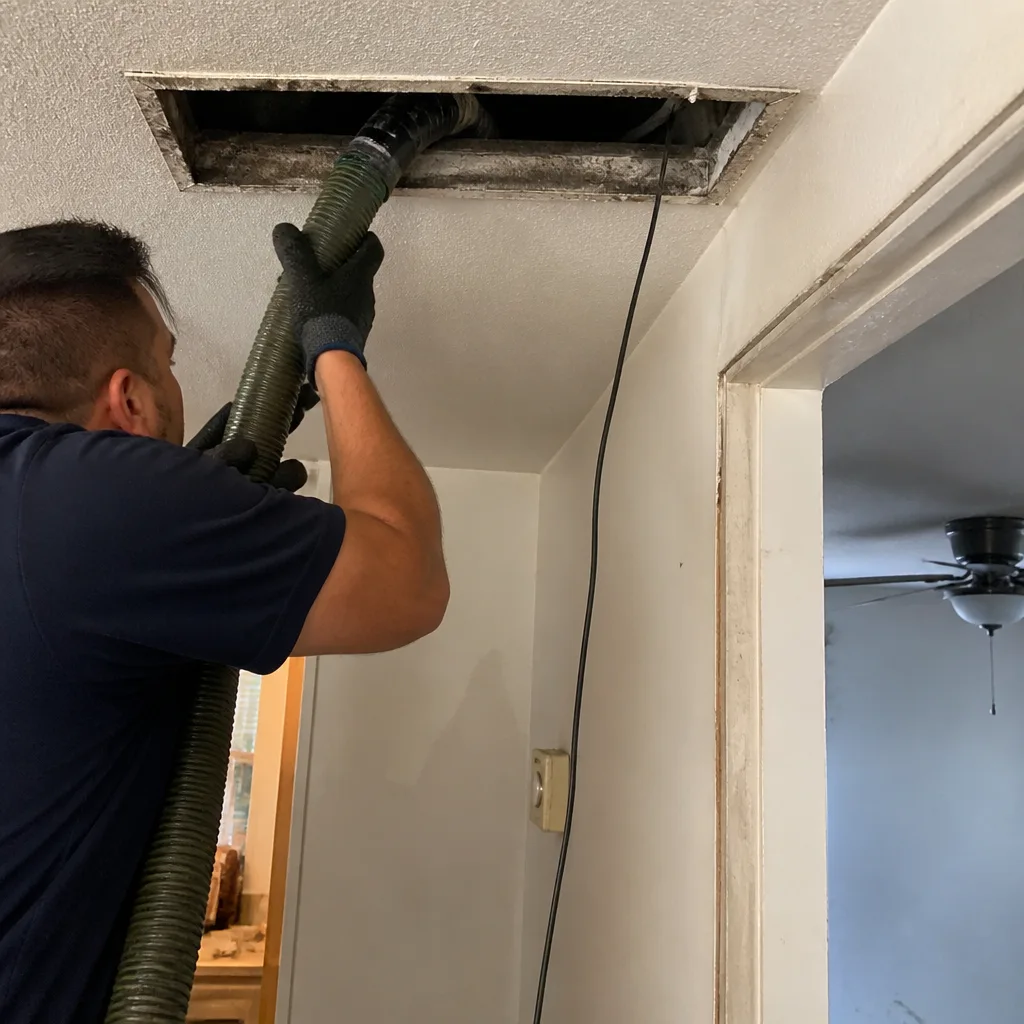 Before
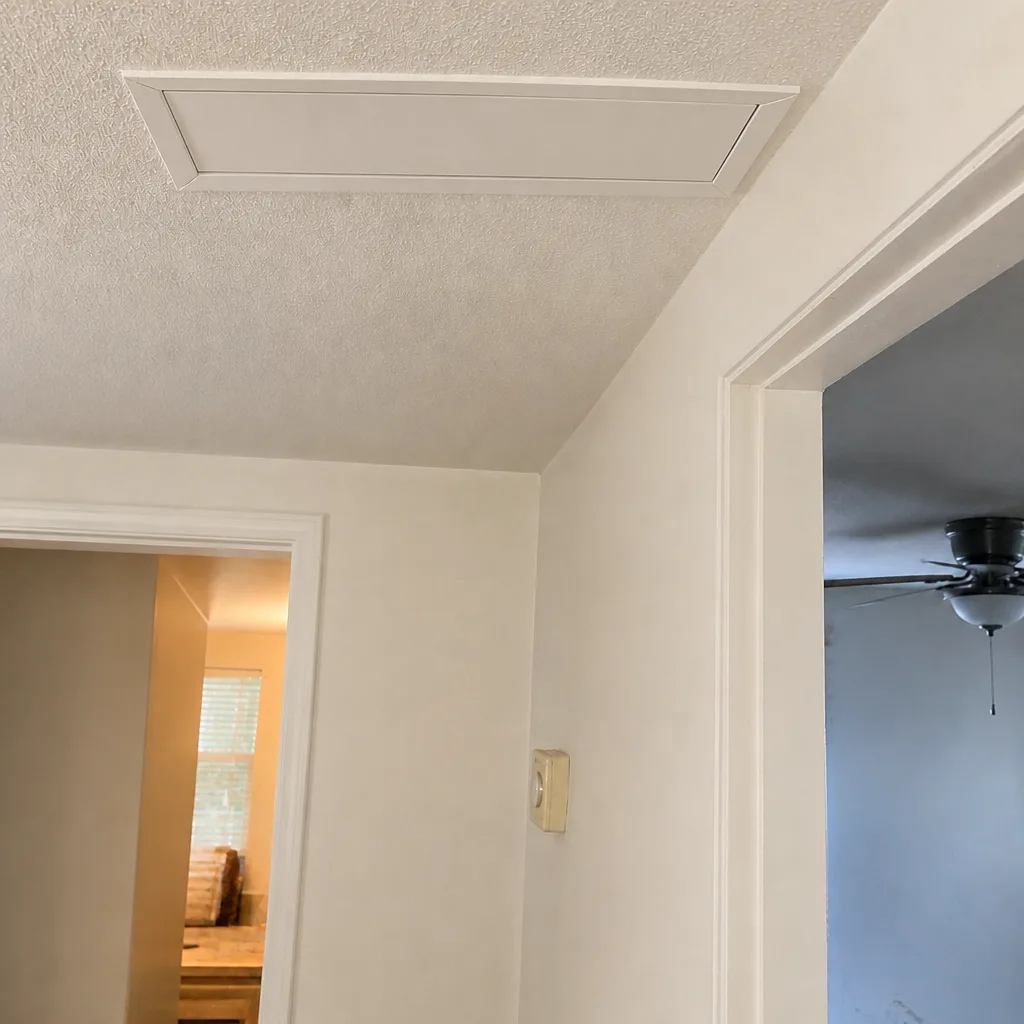 After
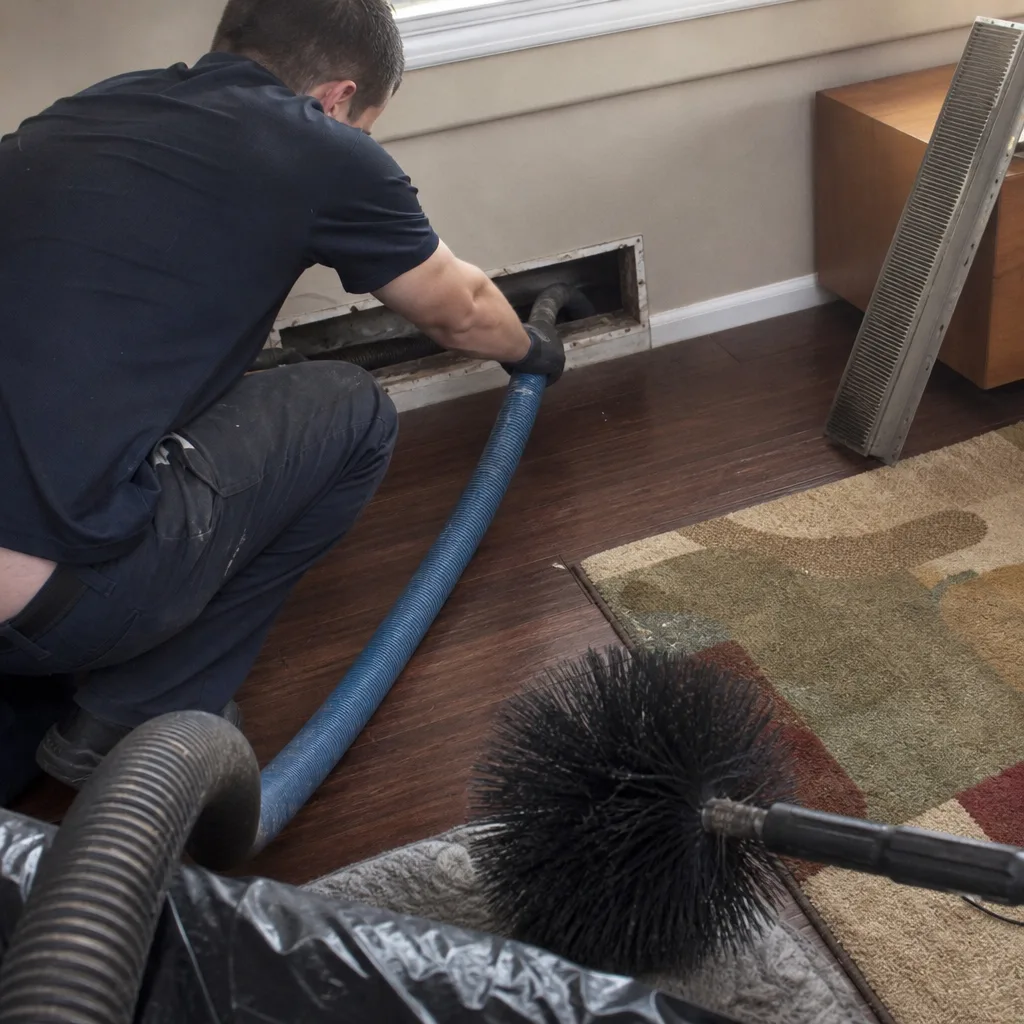 Before
 After
 Before
 After
Frequently Asked Questions
There’s no single correct number of years. Homes in the Cedar River flood plain with winter humidity and wildfire-smoke exposure can need attention sooner than a home on higher, drier ground. Watch your filter loading patterns, register surfaces, and odors, and escalate when those observations change rather than waiting for a calendar date.
It depends on the size of the system, the number of registers and returns, and whether duct repair or sanitizing is involved. We set one flat price per system based on a written estimate – not per-vent pricing, not a teaser figure that grows once a technician is on site. Call (888) 423-4218 for an exact quote – estimates are free.
Usually because the equipment and scope are smaller. A shop vac can’t hold the negative pressure that keeps debris contained during cleaning, and a quick pass over the accessible registers doesn’t reach the full air pathway. The number in a written estimate should reflect the whole system, not just the visible parts. If a quote looks unusually low, ask what equipment is used and what’s actually included.
Before-and-after photos of your own ducts. You should be able to see the change in the system you paid to have cleaned. That’s a fair thing to ask for and a fair thing to expect from any company doing the work. Call (888) 423-4218 if you’d like to talk through what a cleaning covers in your home.
Yes. Smoke seasons push fine particulates into the return path, and filters can load quickly after a significant event. Odors can also settle into the system and linger after the air clears. Check your filter within a few days of a smoke event, and treat any lingering smoky smell as a reason to schedule an inspection.
Often yes. Duct repair and sealing is one of our core services, not an afterthought, so compromised joints, disconnected runs, or bypass paths found during cleaning can usually be handled on the same visit. If you notice dust returning fast after cleaning, a leak or seal issue is one of the first things an inspection should look at. Call (888) 423-4218 for a free estimate.
The Bottom Line
The best checklist for Renton ductwork isn’t a calendar. It’s a rhythm: a monthly visual pass at registers and the filter slot, note-taking that turns the pattern on your filter into a signal about seal integrity, and local triggers – wildfire smoke, renovation dust, and winter humidity in the flood plain – that tell you when to look closer. When observations cross a threshold, a professional inspection gives you an honest picture before anything gets cleaned. If you’d like a second set of eyes on your system, call (888) 423-4218. We answer 24/7. Fast dispatch from 7am to 7pm, Sunday through Friday. Free estimates, and one flat price per system agreed in writing before work starts.
Related Services
Alongside the maintenance checks above, our full-system service covers the whole air pathway: dryer vent cleaning for lint buildup behind the dryer, HVAC cleaning for the air handler and blower, duct repair and sealing for compromised connections found during an inspection, and air quality sanitizing when growth or lingering odors call for treatment. We also work with Honeywell and Aprilaire systems to keep cleaning compatible with the IAQ equipment you already have. If you’d rather just have a look at your system before deciding what it needs, we’ll walk you through it.
Written by the team at Renton Air Duct Cleaning Pros.
What happens when you call
- 1
A real person answersNo phone trees – you reach a local pro.
- 2
You get an upfront price rangeHonest numbers before anyone is dispatched.
- 3
A background-checked tech heads outLicensed & insured, dispatched right away.
- 4
You approve before work beginsNothing starts until you say go.